




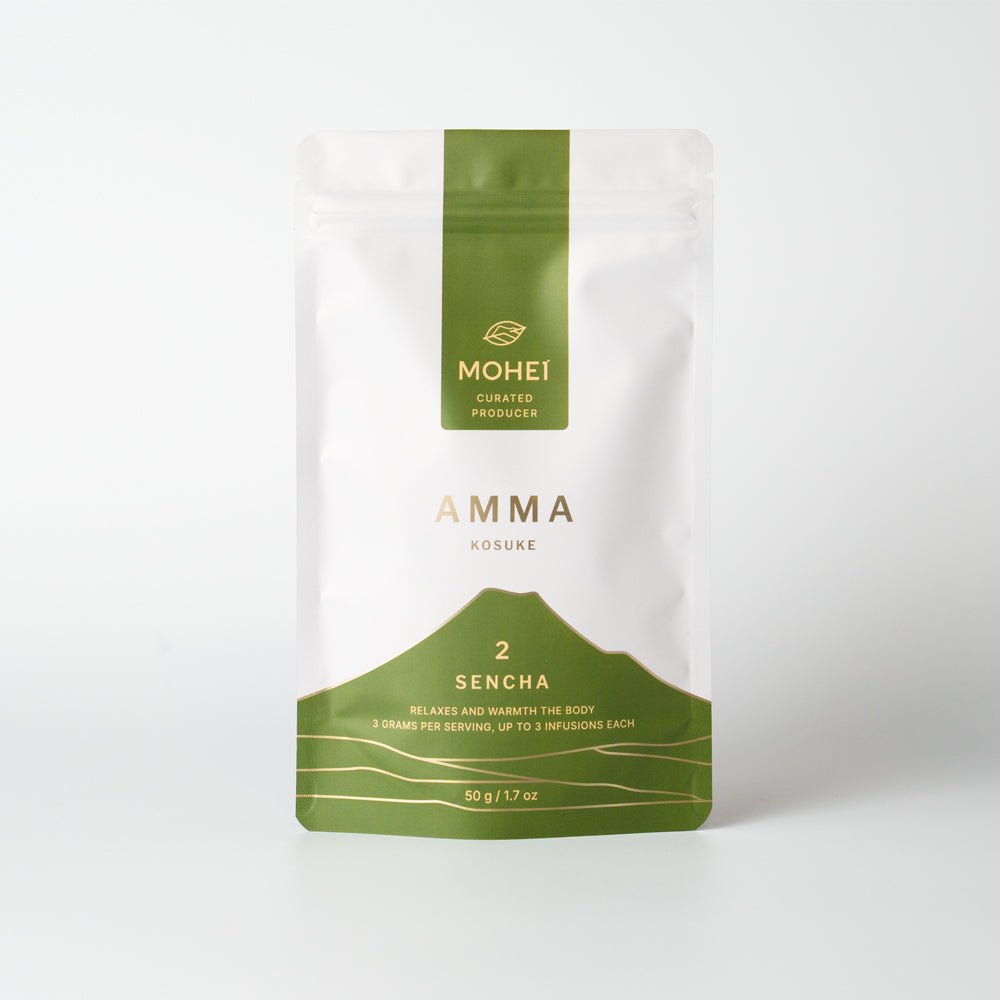
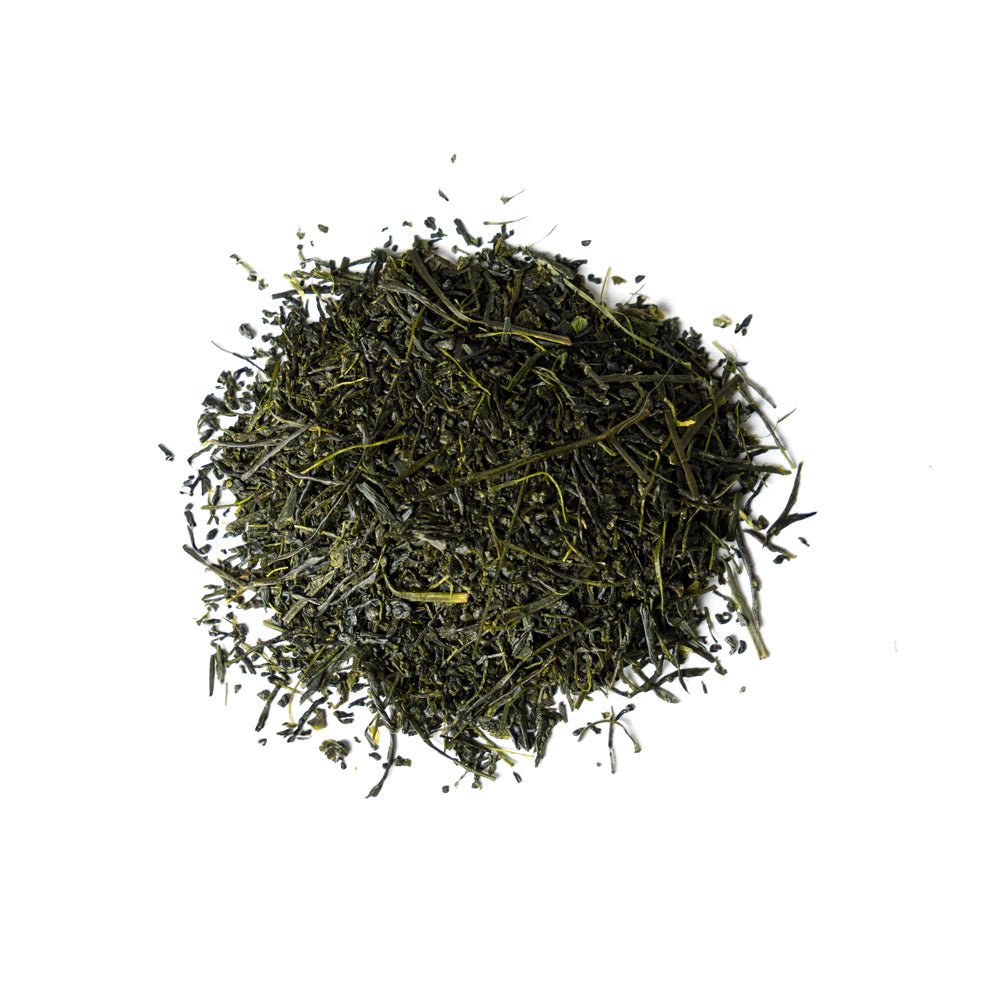
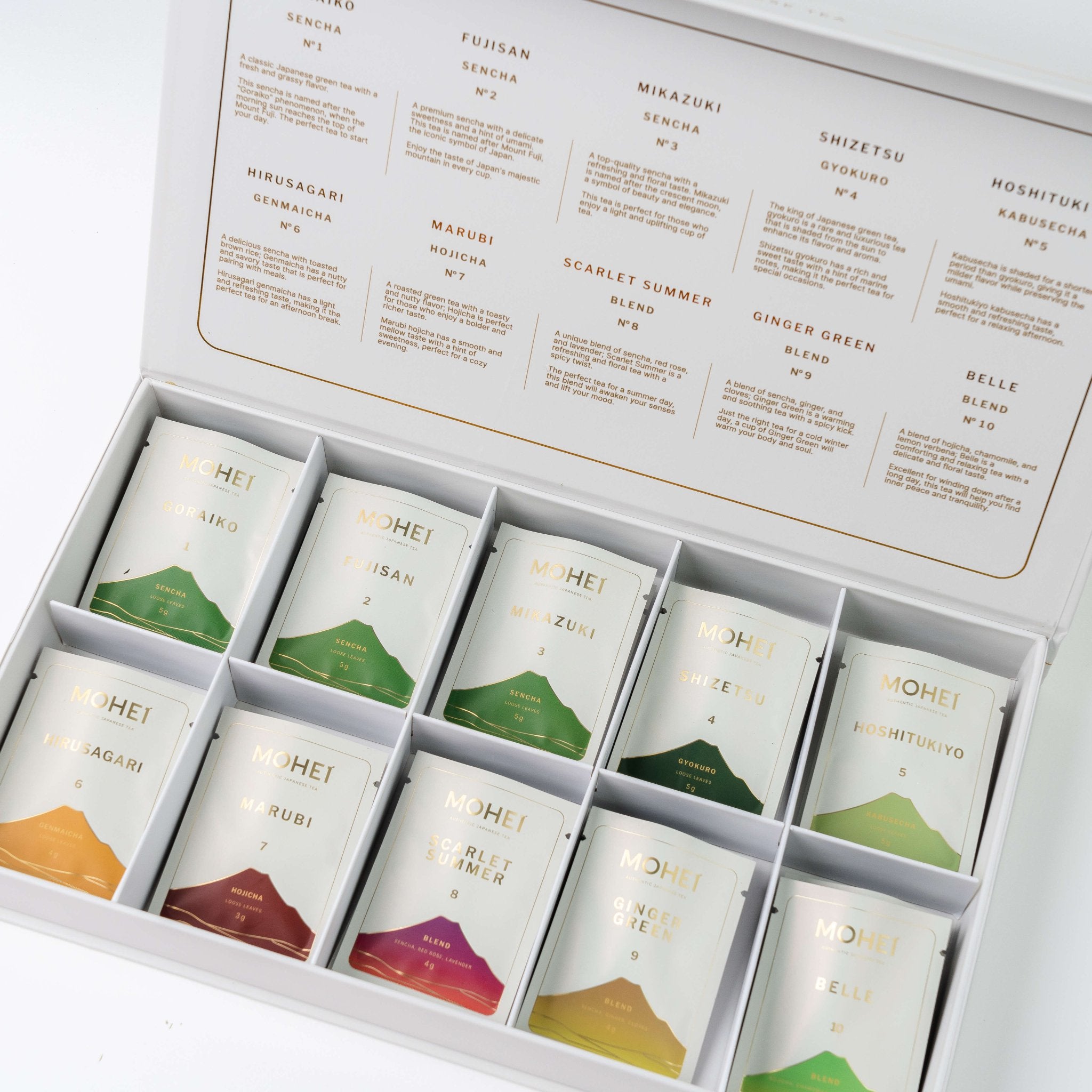
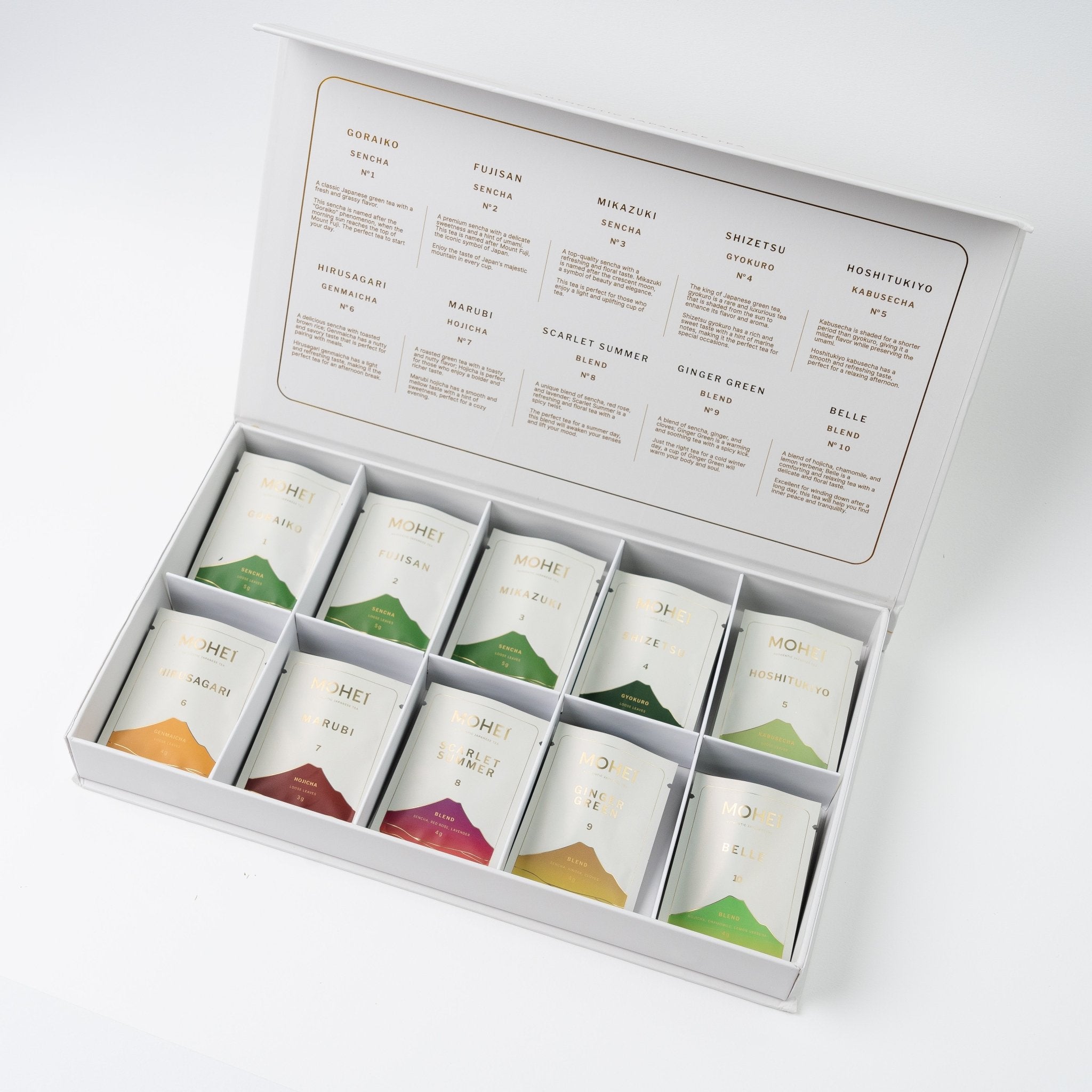

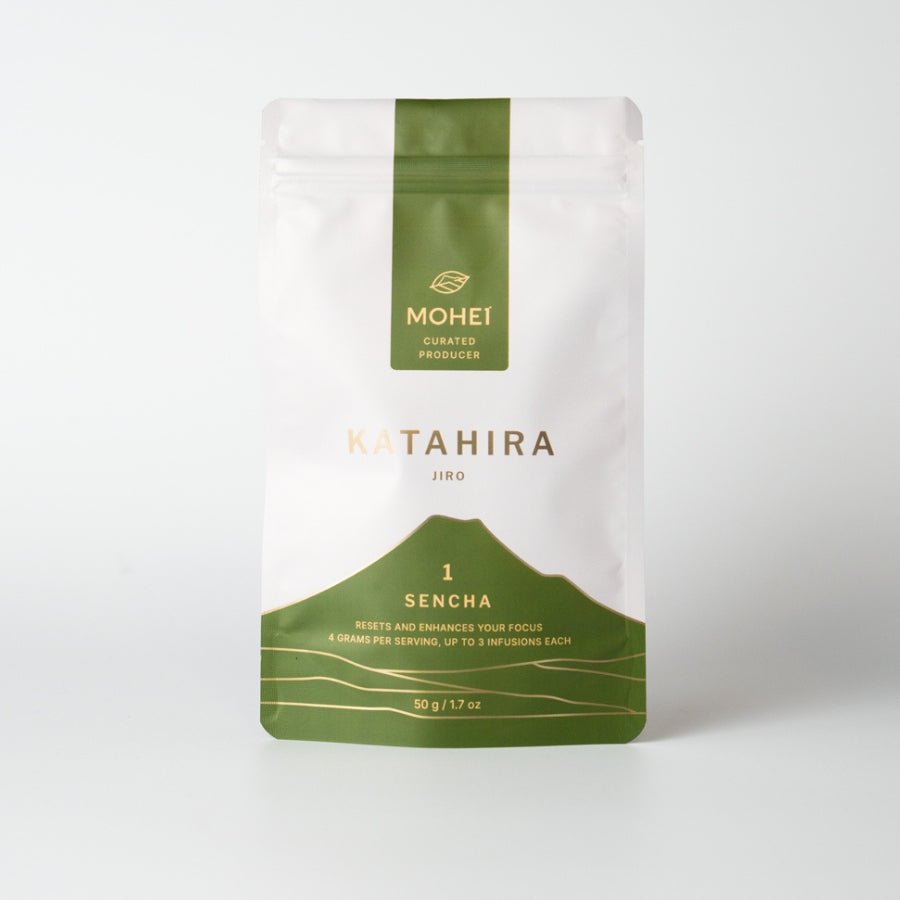
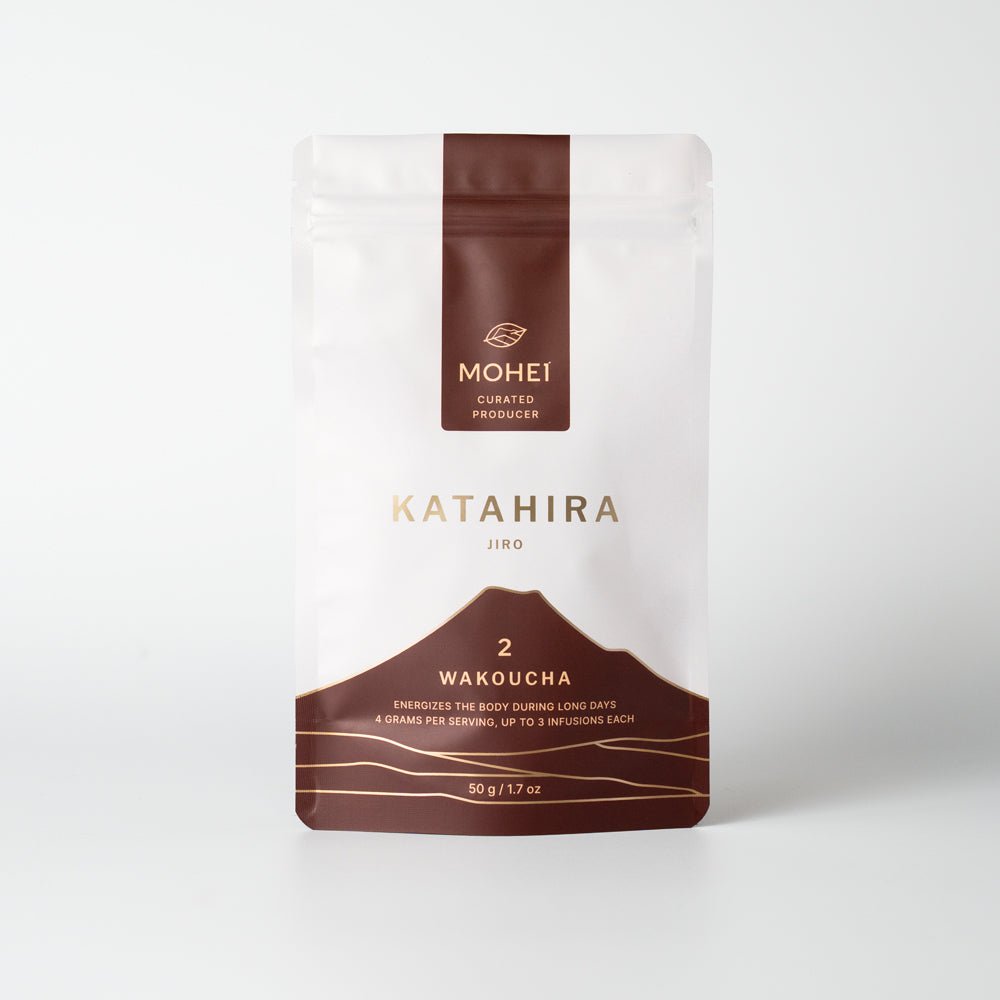


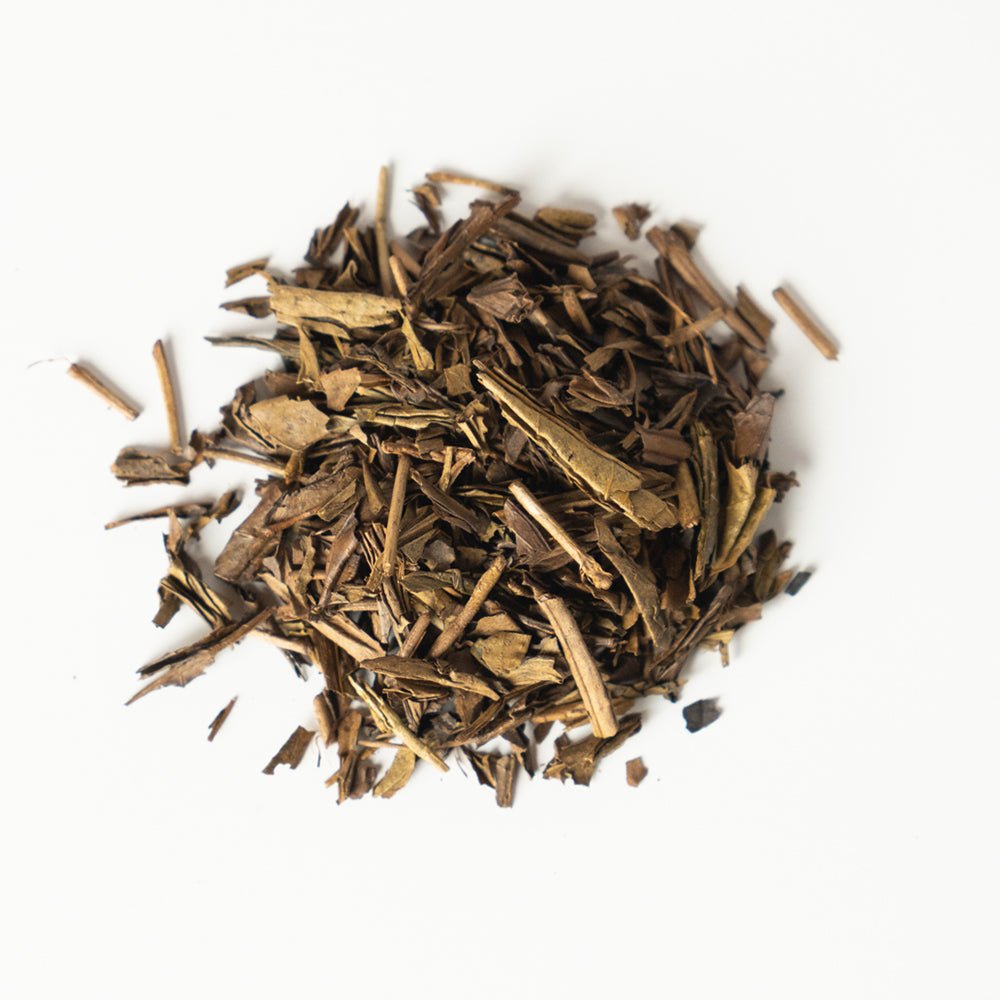

What are Loose Leaves?
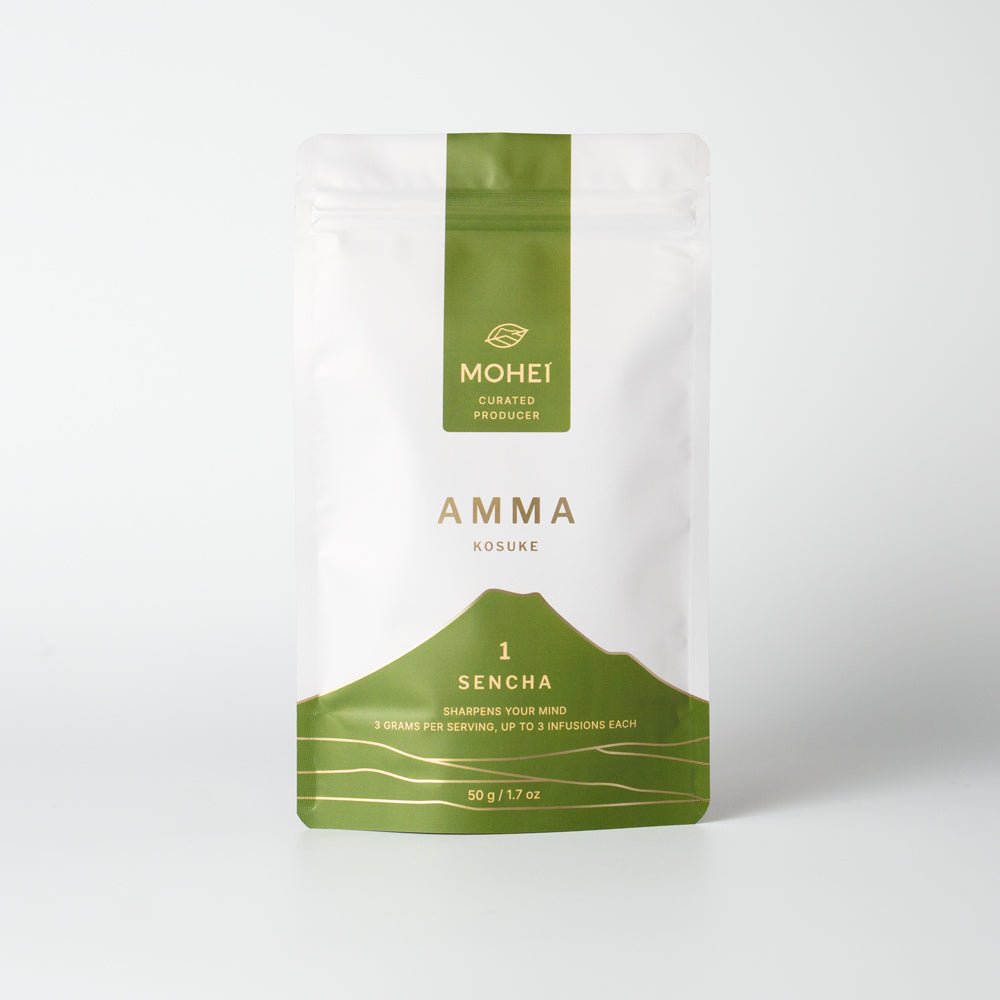
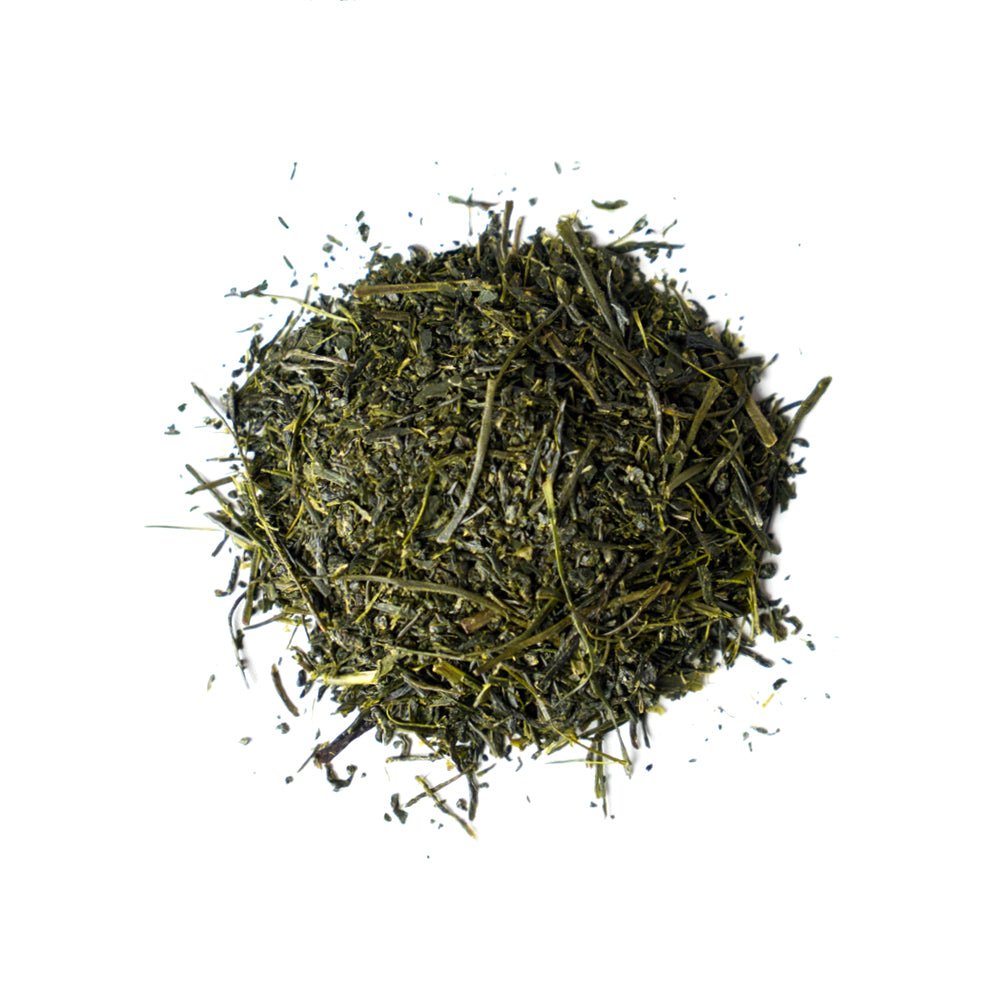
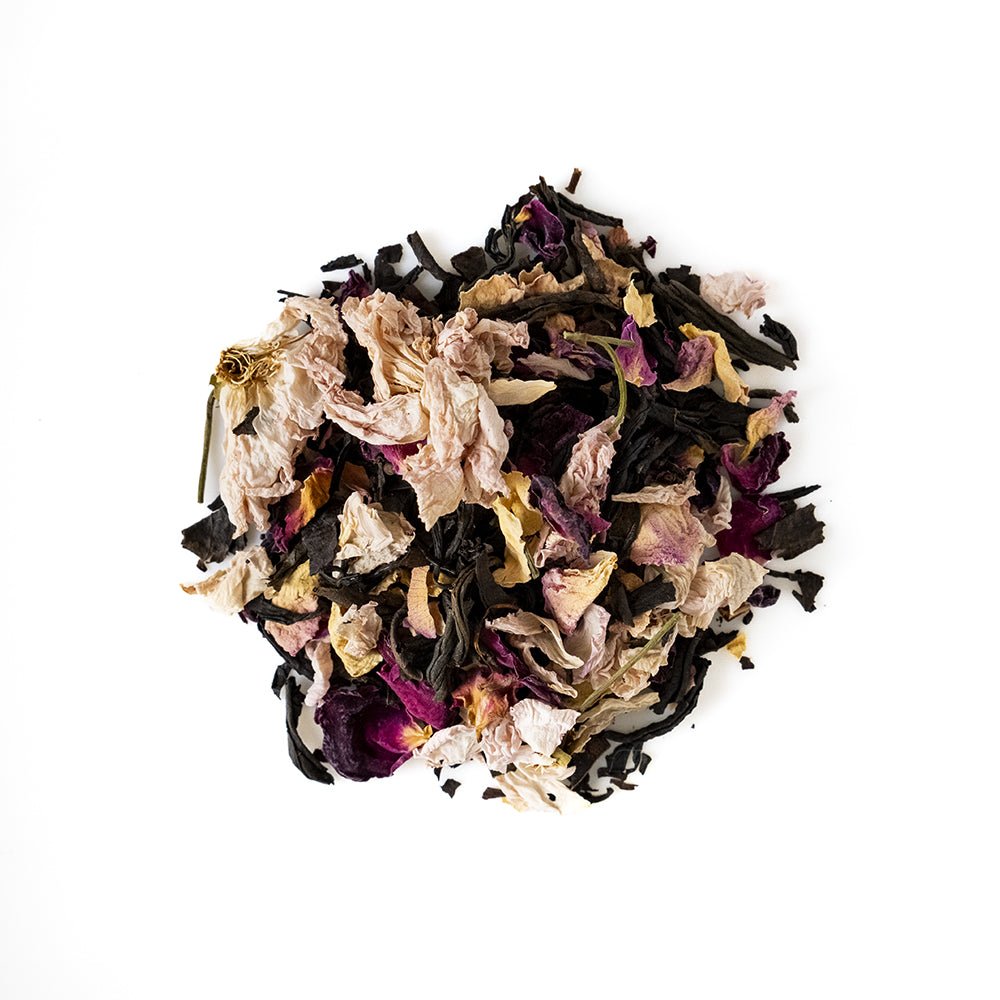
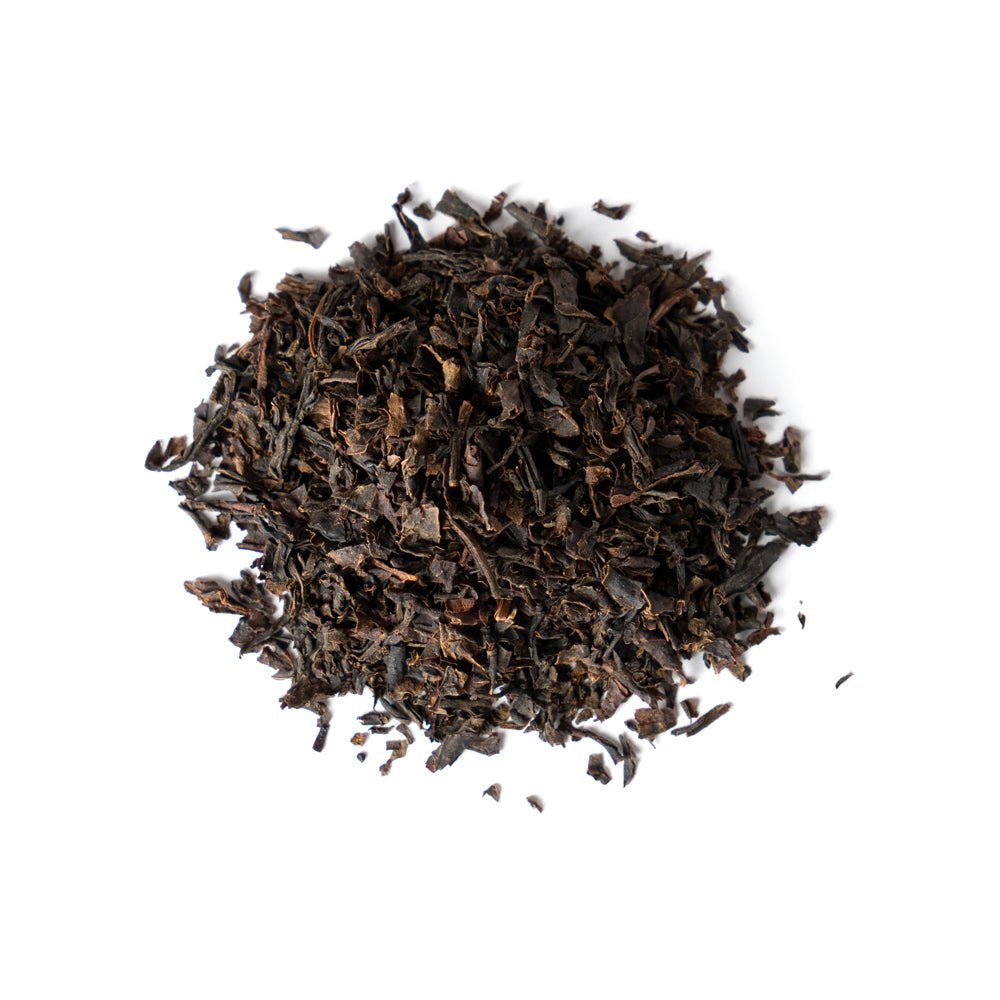
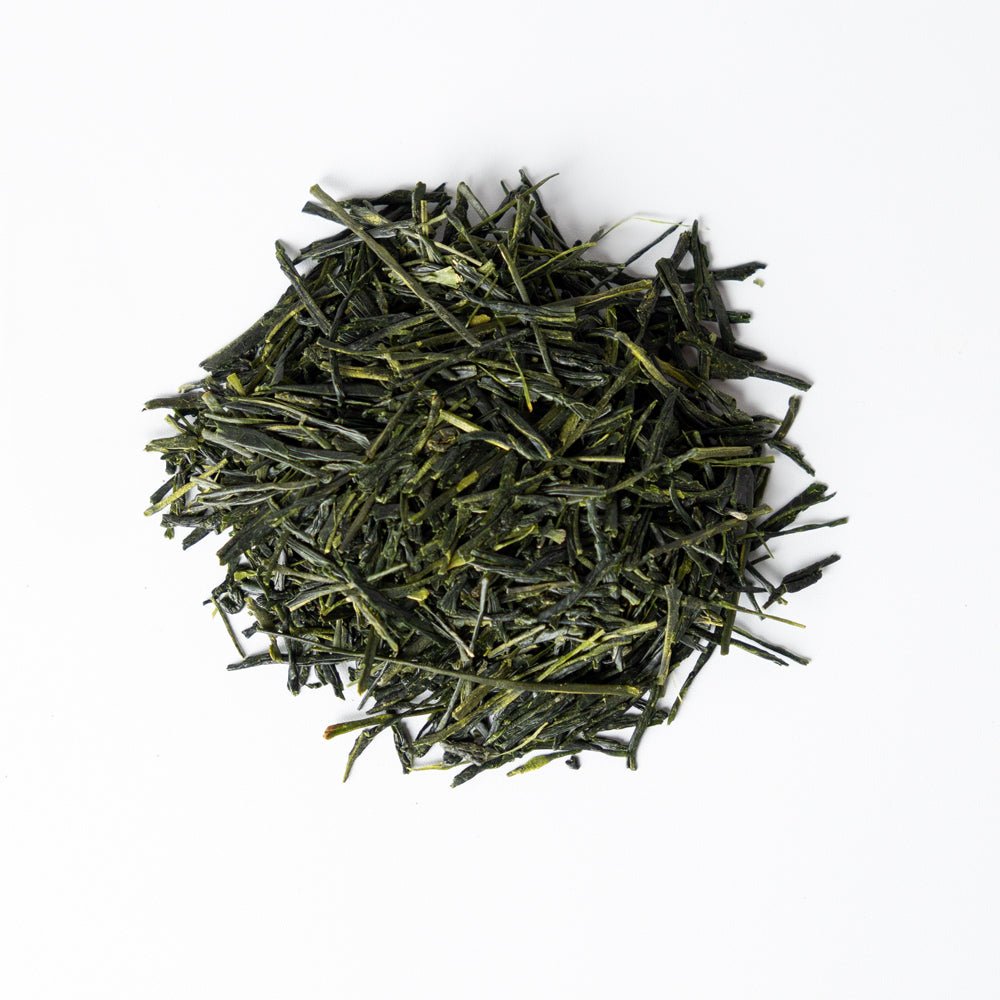
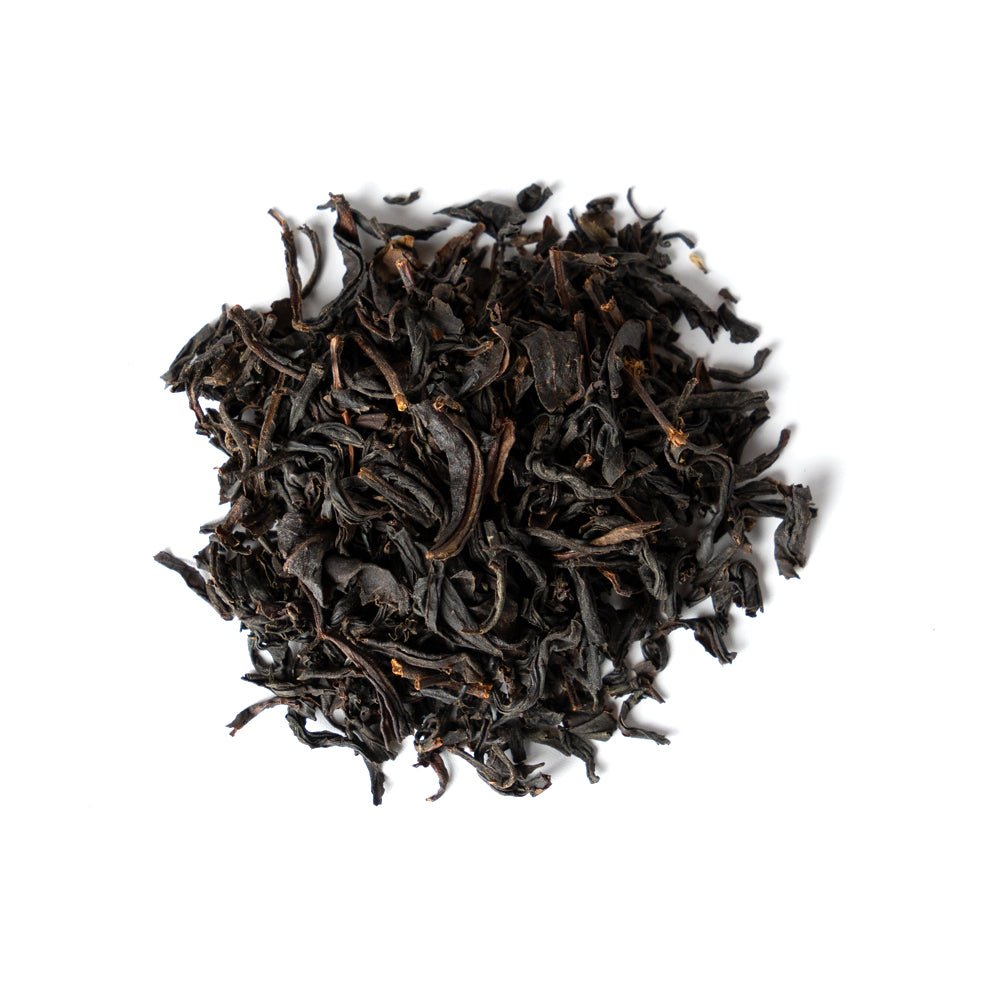
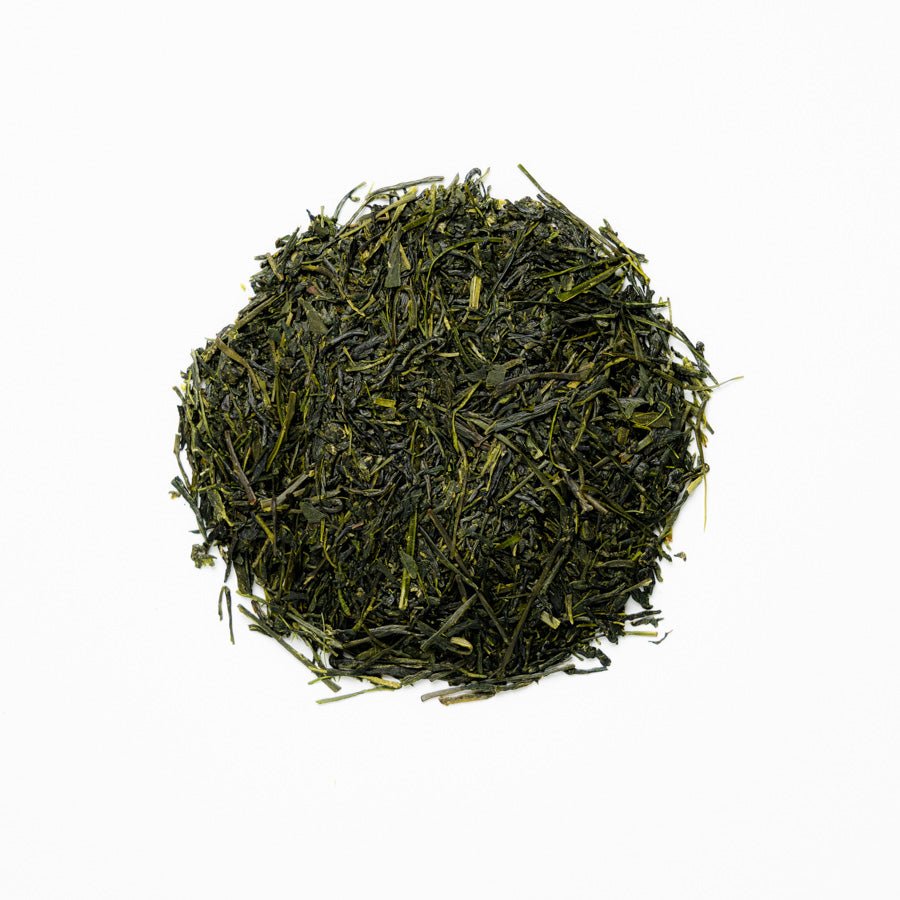
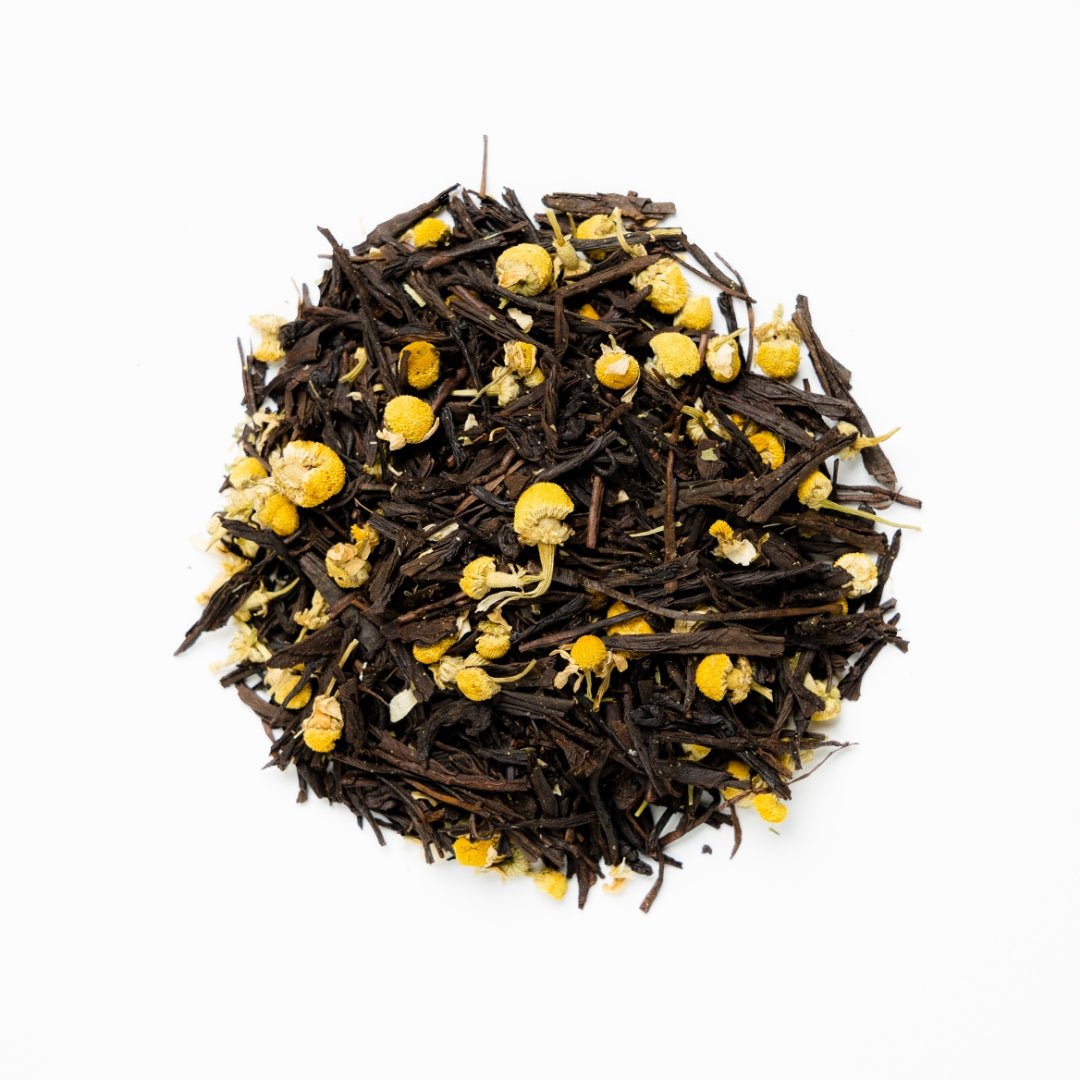
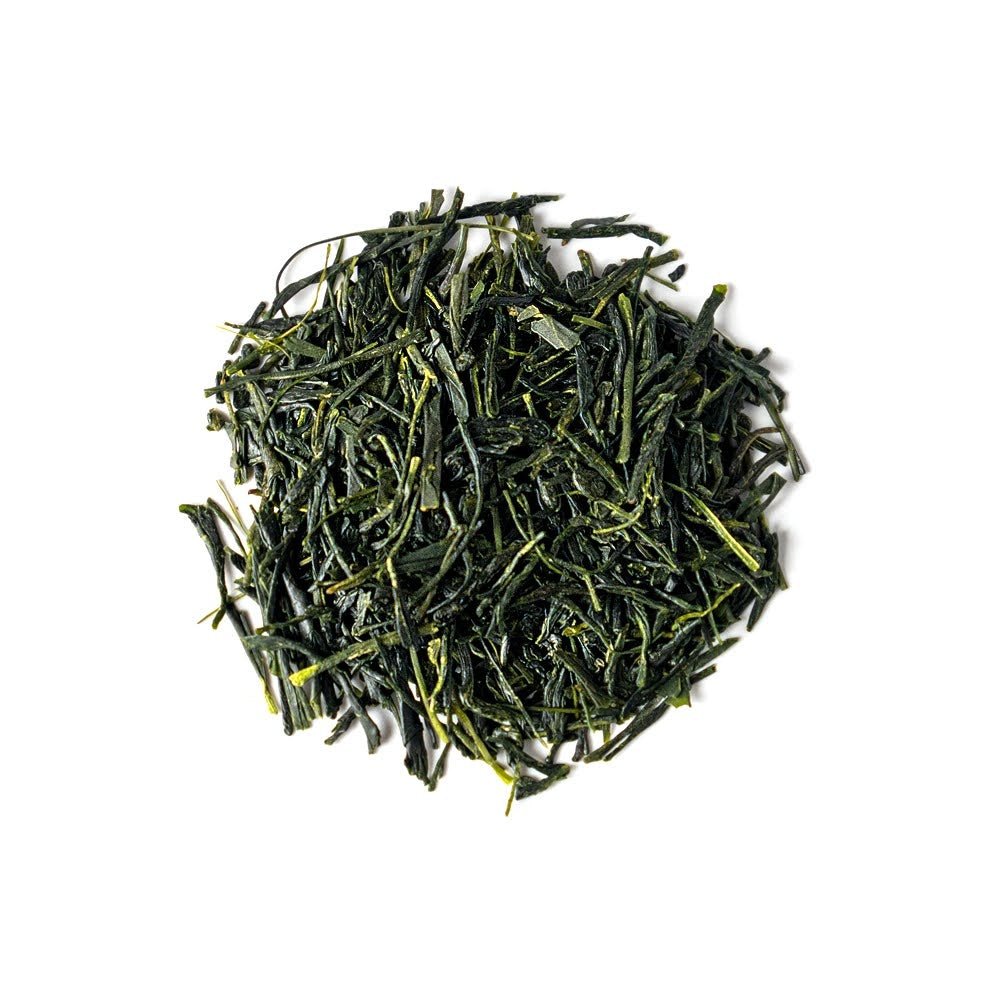
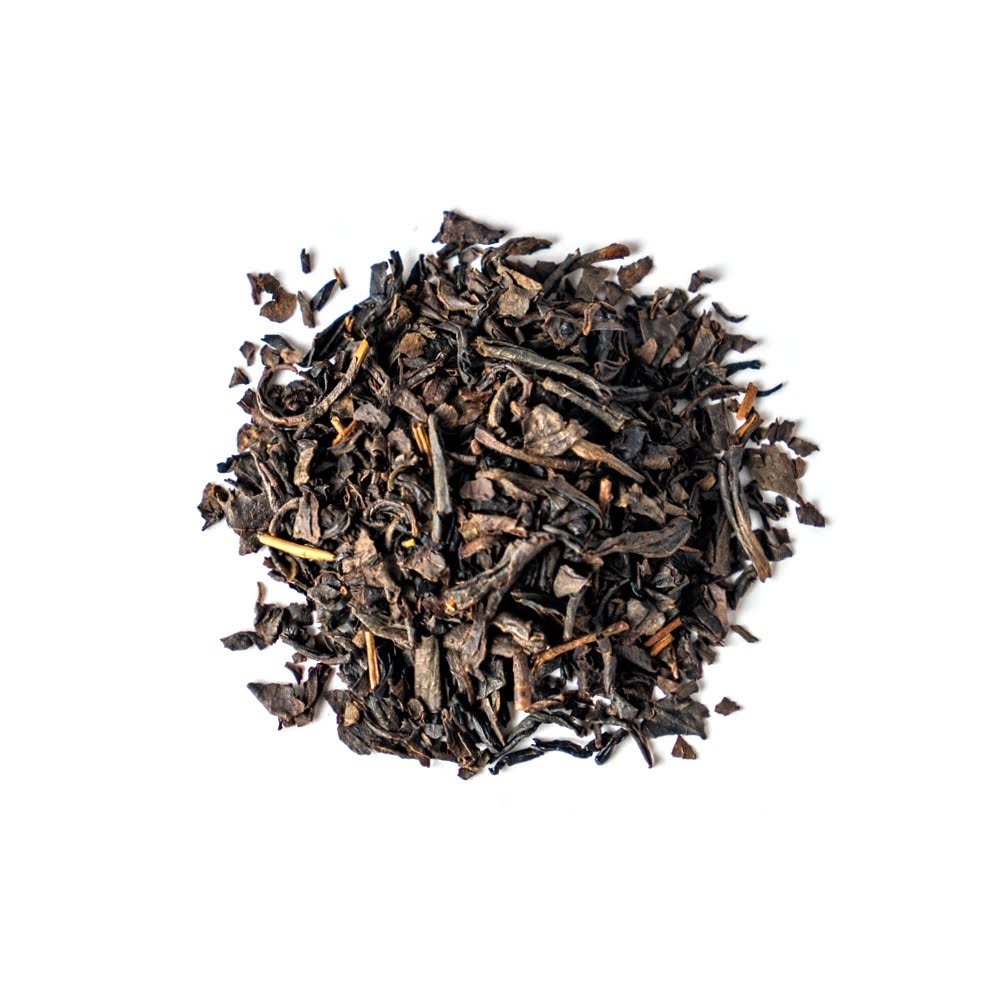
Loose-leaf Japanese tea refers to whole or shaped tea leaves that are brewed directly in hot water rather than ground into powder. This traditional form allows the leaves to fully expand during infusion, releasing their natural aromas, umami depth, and delicate vegetal notes.
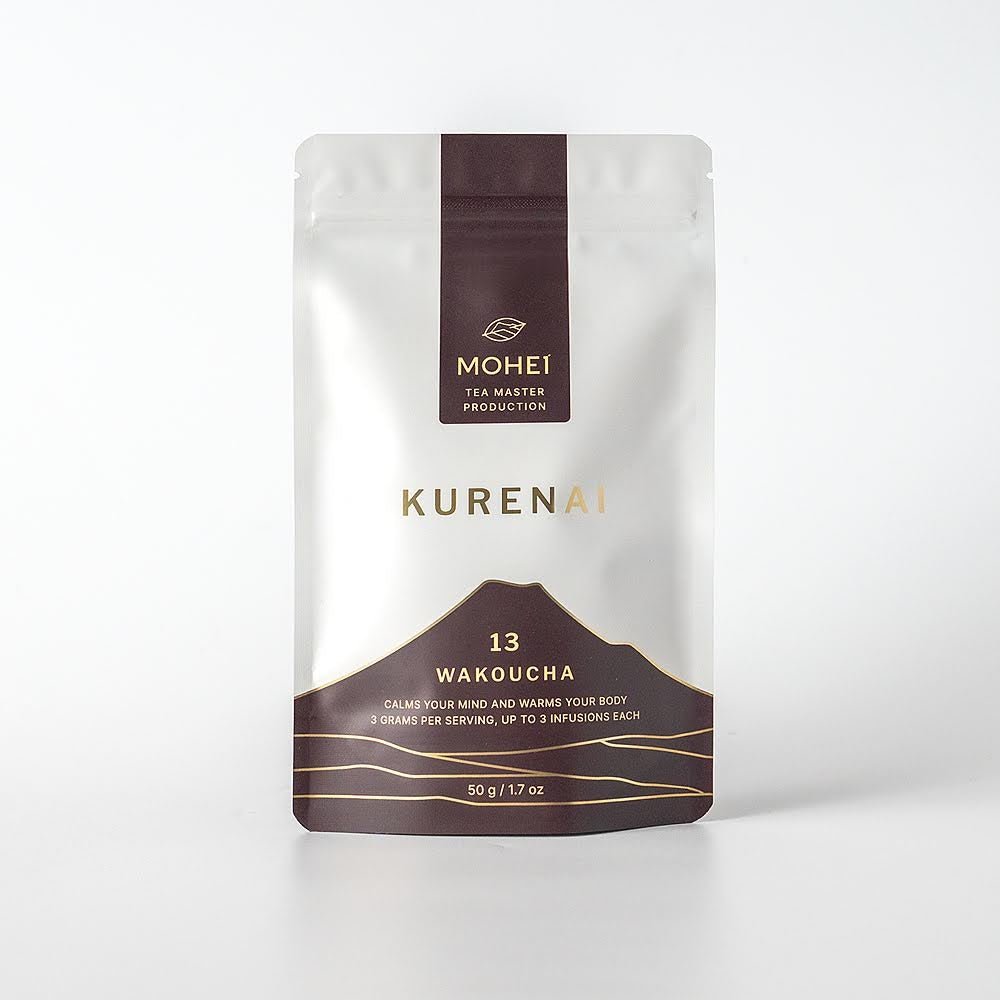
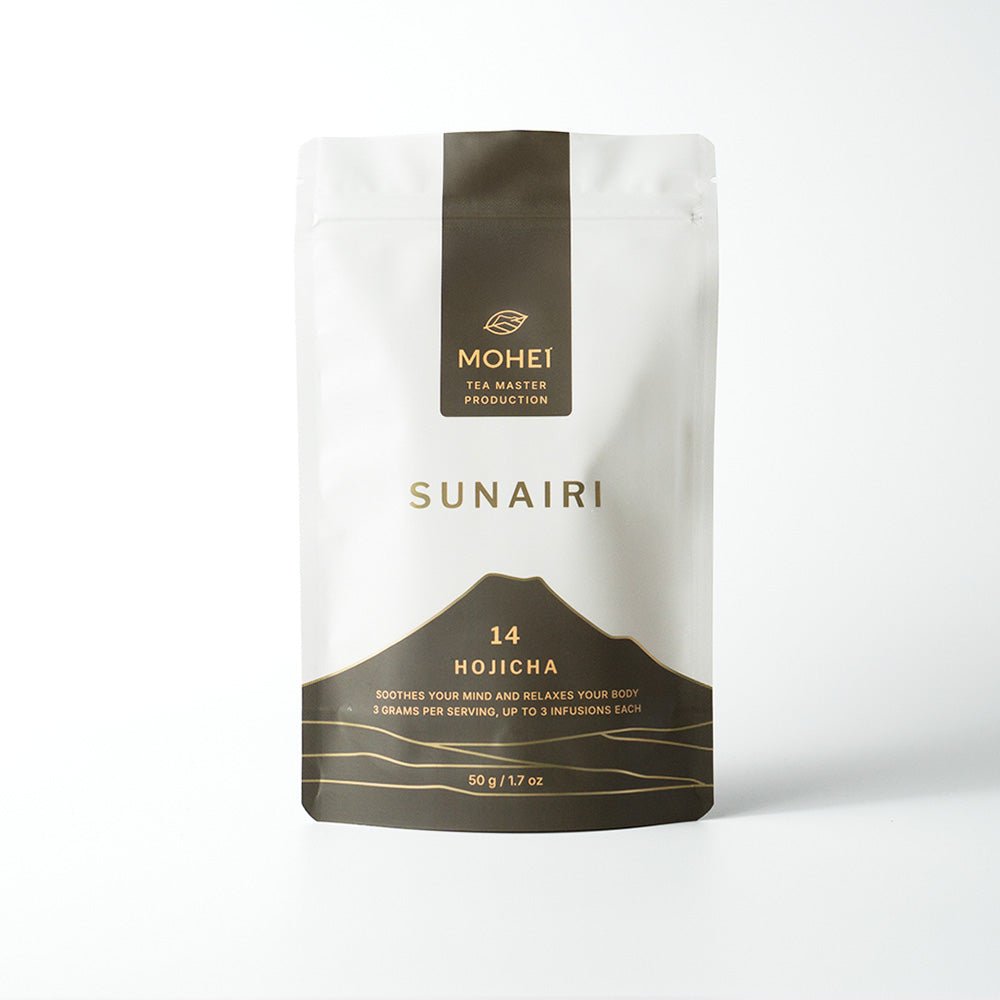
Most of Japan’s most beloved teas, including Sencha, Gyokuro, Kabusecha, and Hojicha, are enjoyed as loose-leaf teas. Each infusion reveals subtle variations in flavor, making loose leaf brewing an experience that evolves from one cup to the next.
For many tea enthusiasts, loose leaf Japanese tea represents the most authentic way to explore the craftsmanship of Japanese tea producers and the diversity of their harvests.
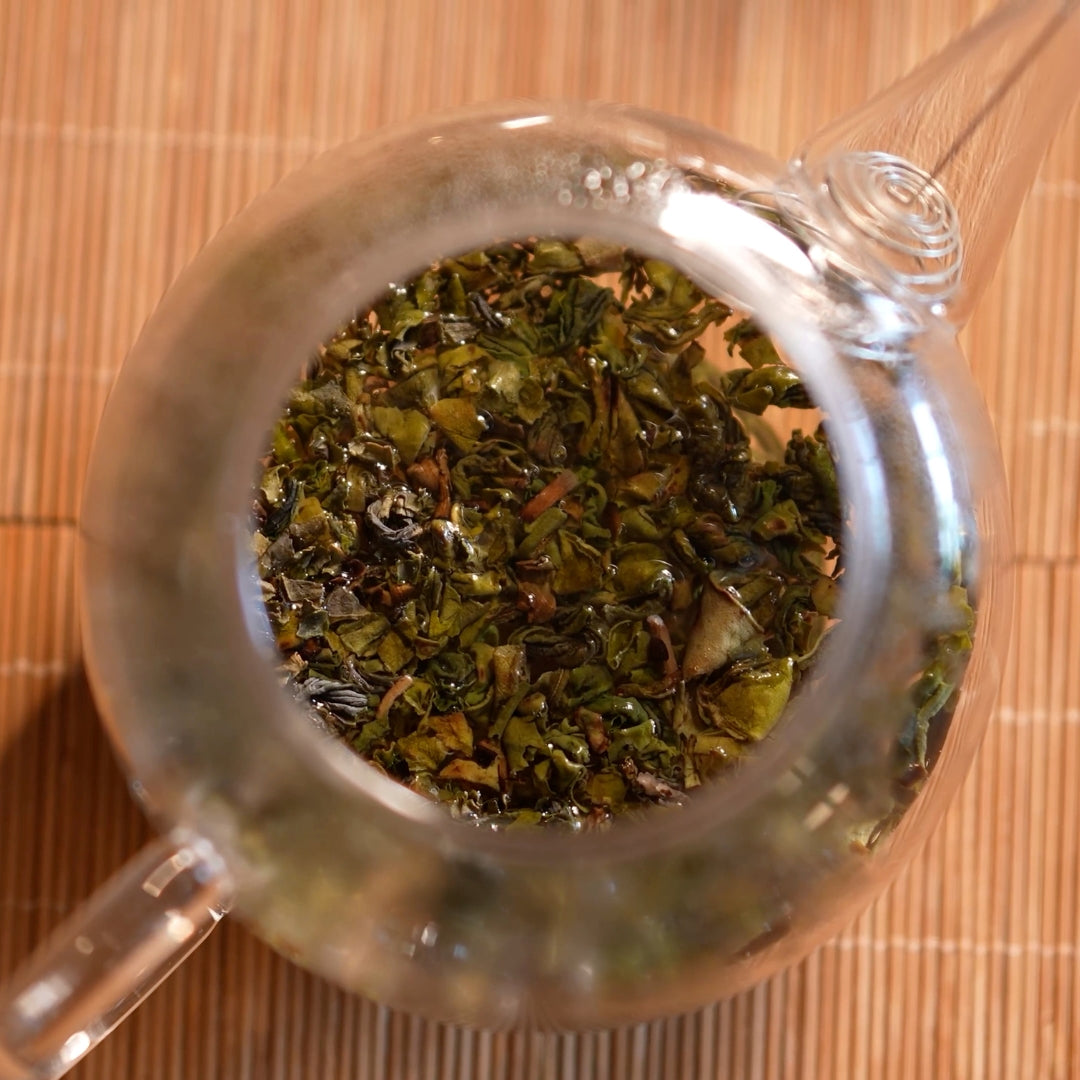
Why Choose Loose-Leaf?
Loose-leaf tea offers a richer and more expressive experience compared to tea bags or powdered preparations. Because the leaves remain intact, they retain more of their natural oils, aromas, and flavor compounds.
When brewed properly, loose-leaf Japanese tea can also be infused multiple times, allowing the drinker to discover how the flavor evolves with each steeping. The first infusion may highlight umami and sweetness, while later infusions reveal lighter, refreshing notes.
This evolving character is one of the reasons loose-leaf tea remains central to traditional Japanese tea culture.

Brewing Loose-leaves Tea
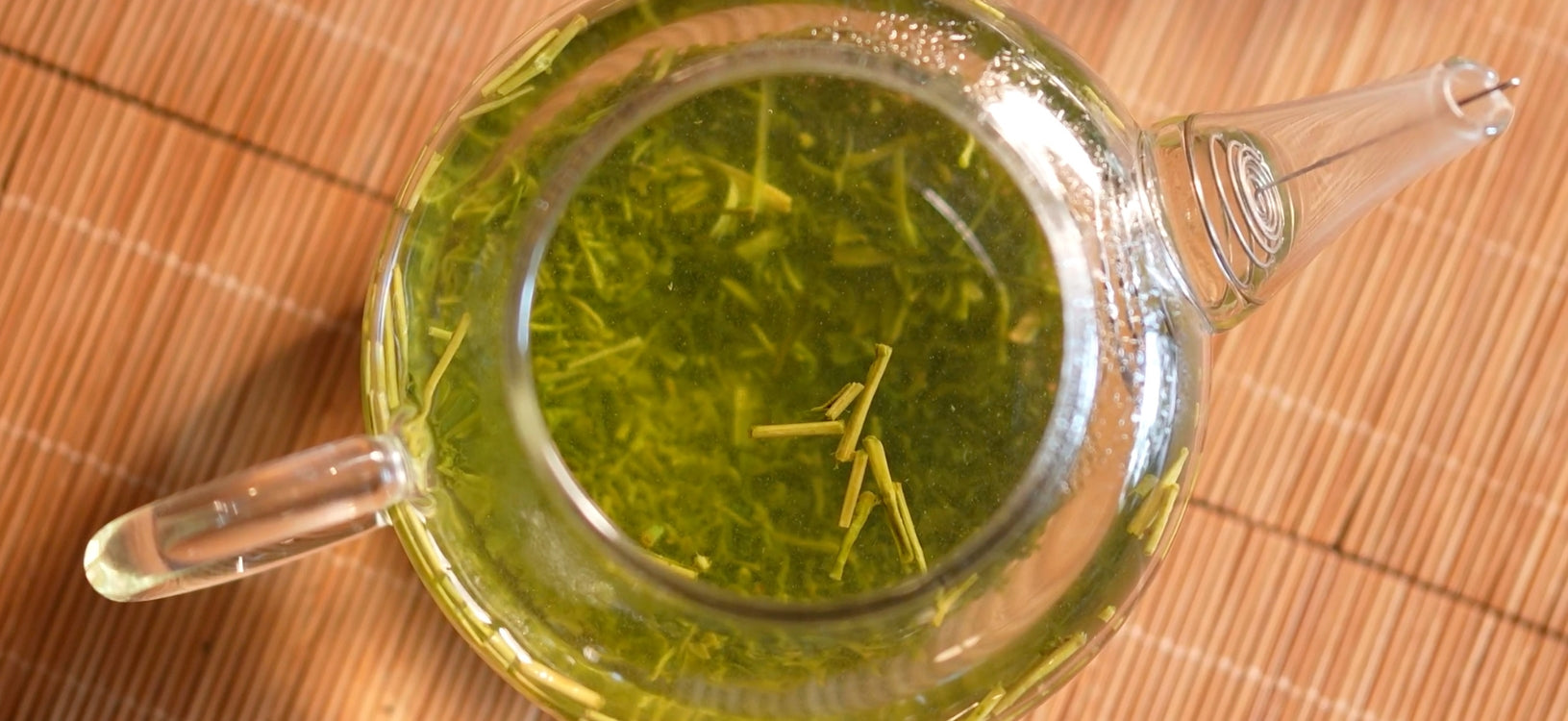
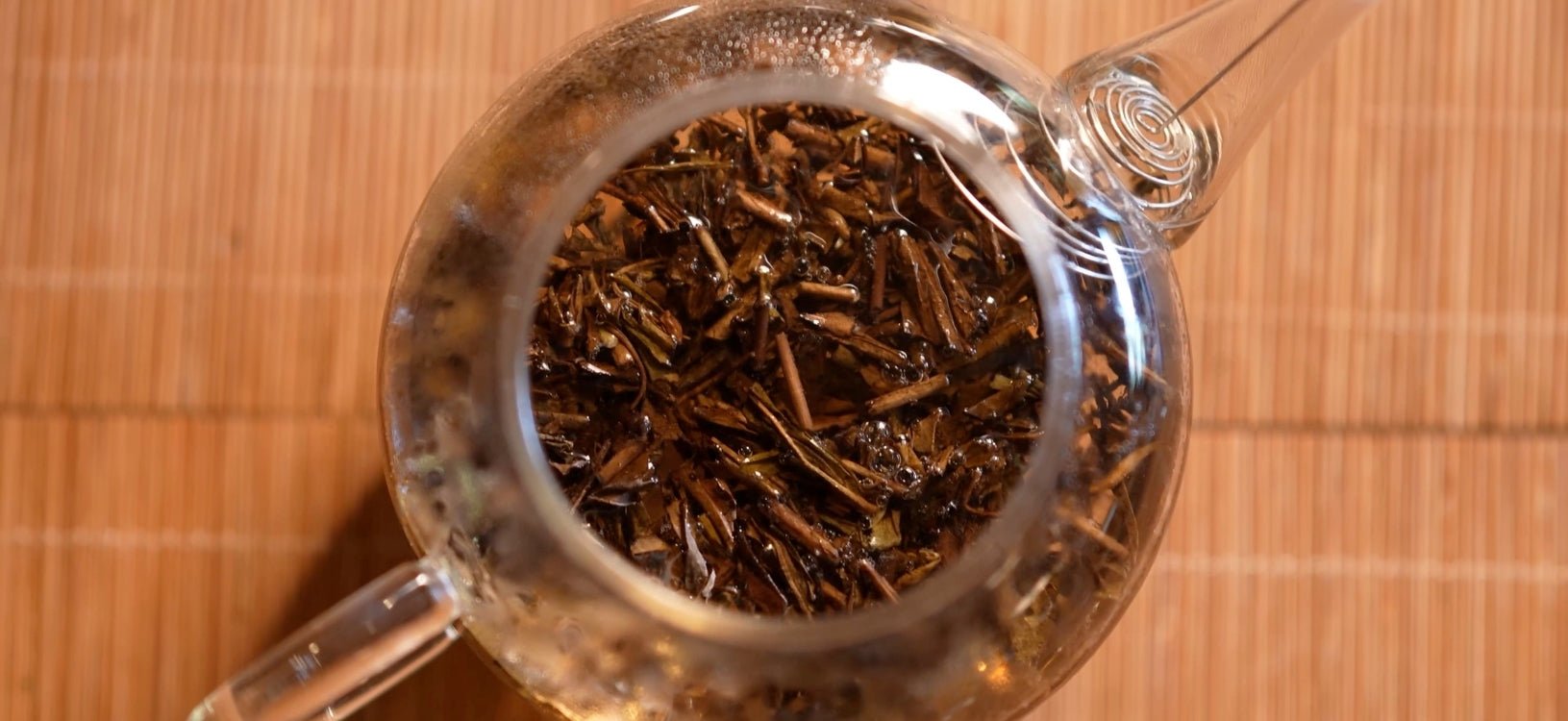
Loose-leaf Japanese tea is typically brewed using a kyusu, a traditional side-handled teapot designed specifically for Japanese green teas. The leaves are infused with water at relatively low temperatures, usually between 60 °C and 80 °C, depending on the tea.
Short infusion times allow the delicate flavors of the leaves to unfold gradually without extracting excessive bitterness.
This careful brewing approach highlights the balance, aroma, and refined character that define high-quality Japanese loose-leaf teas.
FAQs
What is the difference between Japanese loose-leaf tea and tea bags?
Loose-leaf tea contains whole or large pieces of tea leaves, while tea bags typically contain smaller broken leaf particles. Because the leaves have more room to expand during brewing, loose-leaf tea often produces more complex aromas and flavors.
How many times can Japanese loose-leaf tea be brewed?
Most Japanese loose-leaf teas can be infused two to three times. Each infusion reveals slightly different flavors, from deeper umami notes in the first cup to lighter and more refreshing notes in later infusions.
Do I need a specific teapot for Japanese loose-leaf tea?
While loose-leaf tea can be brewed in many types of teapots, a kyusu is traditionally used for Japanese tea. Its fine built-in filter allows the small leaves to be poured cleanly while preserving the clarity of the infusion.
Do Japanese loose-leaf teas contain more caffeine?
Loose-leaf tea itself does not necessarily contain more caffeine than other tea formats. The caffeine level depends primarily on the tea variety and brewing method. However, loose-leaf teas often allow better control over infusion time and temperature.
How should Japanese loose-leaf tea be stored?
Loose-leaf tea should be stored in an airtight container away from light, heat, and humidity. Proper storage helps preserve the delicate aromas and freshness that define high-quality Japanese tea. You can read more about it through our article How to Store Your Tea.
Produced & Curated by Mohei Tea
Mohei Tea works directly with dedicated producers across Japan to curate teas that reflect the craftsmanship, terroir, and traditions of Japanese tea culture. In a time when many local farmers face increasing pressure and uncertainty, our mission is to help them thrive by bringing their work to tea lovers around the world. Through careful selection led by Tea Master Mohei, we commit to offering only exceptional teas that embody the highest standards of quality and authenticity.