
In Japan, tea is not only a symbol; it is a daily companion. It is poured after meals, served to guests without occasion, and brewed at home as naturally as water is poured.
So what is Japanese tea, exactly?
At its simplest, it is tea made in Japan from the Camellia sinensis plant, most often crafted as green tea, shaped by cultivation methods and production techniques that have been refined over generations. Yet that definition only sketches the surface. The real story begins in the details: how the leaf is handled after harvest, how certain teas are shaded to develop sweetness and depth, how roasting transforms green tea into something warm and comforting, and how the same plant can express itself in remarkably different ways.
This guide is designed as a clear starting point. You will learn what defines Japanese tea, discover the main types (Sencha, Matcha, Gyokuro, Hojicha, Genmaicha, Wakoucha, and more), and understand, in simple terms, why Japanese tea tastes the way it does. Not as a catalog of names, but as a landscape you can navigate with confidence.
You do not need to know everything to begin. You only need enough orientation to recognize what you are tasting and to enjoy the quiet depth that Japanese tea offers from the very first cup.
To understand Japanese tea, it is not enough to look only at the leaf. What defines it lies in a quiet balance between process, environment, and intention; each shaping the final cup in subtle but decisive ways.
At first glance, most Japanese teas fall under a single category: green tea. Yet within this apparent simplicity exists a remarkable diversity, born not from different plants, but from the choices made after the harvest.
One of the most defining moments occurs almost immediately after the leaves are picked. In Japan, they are steamed within hours, halting oxidation and preserving their fresh, living character. This single decision sets Japanese tea apart from many other traditions, where leaves are pan-fired or allowed to oxidize. The result is a tea that retains its vivid green color, its vegetal clarity, and a certain brightness that feels close to the field itself.
Beyond this, Japanese tea is often guided by a pursuit that is less common elsewhere: the cultivation of umami. Rather than emphasizing strength or bitterness, many producers seek a softness and depth that lingers gently on the palate. Through techniques such as shading the plants before harvest, they increase the concentration of amino acids within the leaves. This is what gives teas like Gyokuro or Kabusecha their rounded, almost savory sweetness; a quality that unfolds gradually rather than asserting itself immediately.
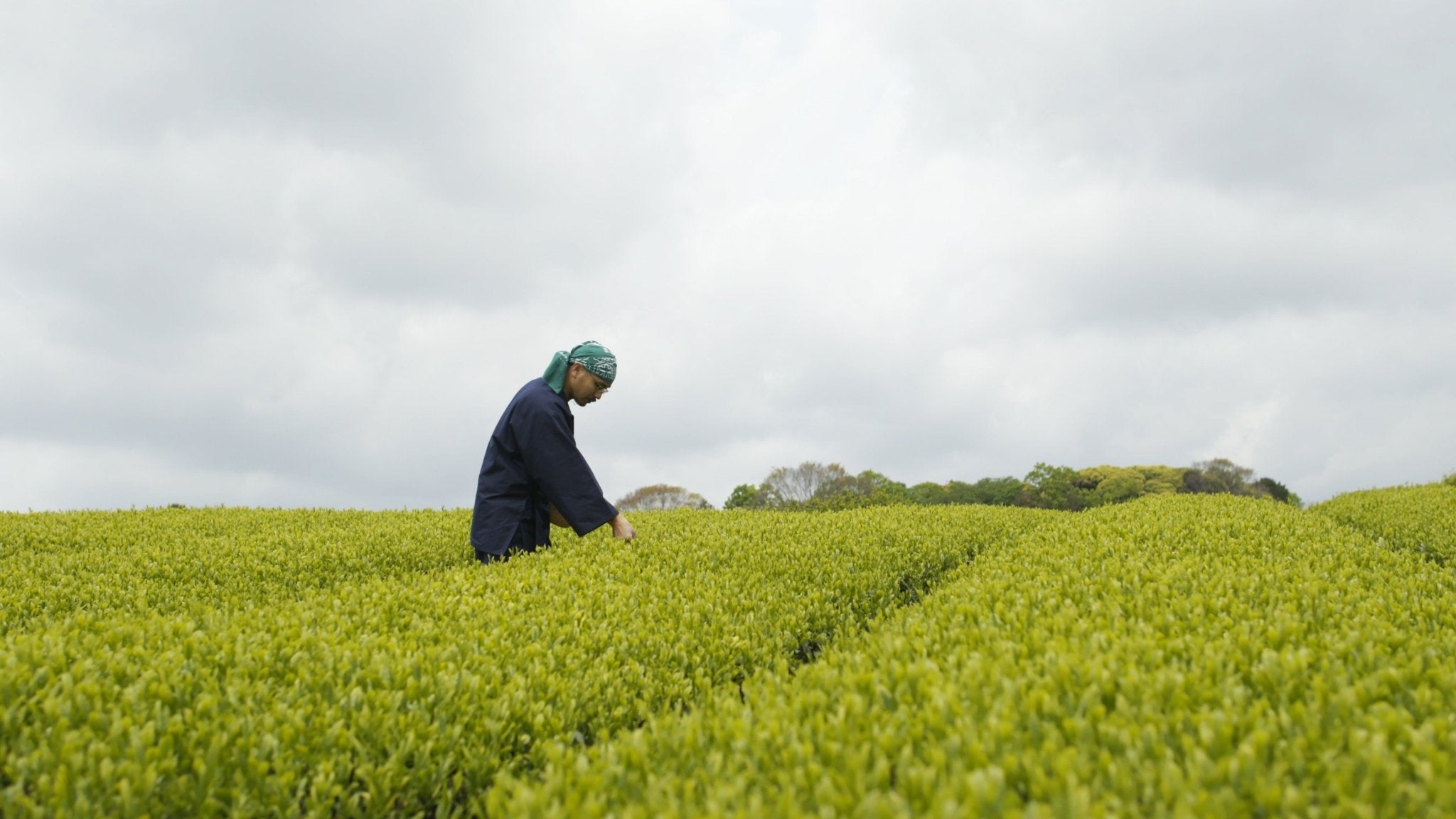
The land also plays a quiet but essential role. Tea fields in Japan are often shaped by mist, seasonal variation, and rich soils. In regions such as Shizuoka, near Mount Fuji, these conditions create an environment where the leaves develop both clarity and complexity. Yet this landscape is never left untouched. It is carefully maintained, shaped over time by those who cultivate it, so that nature and human attention remain closely intertwined.
Underlying all of this is a cultural inclination toward precision. Every stage, from the timing of the harvest to the duration of steaming or the way the leaves are rolled, is approached with care. These are not rigid rules, but decisions refined through experience, often over generations. Even small variations can shift the balance of a tea, giving it a different expression while remaining rooted in the same origin.
Taken together, these elements reveal something essential. Japanese tea is not designed for uniformity or intensity. It is crafted with an attention to detail that allows subtle differences to emerge, differences that invite the drinker to slow down, to taste more carefully, and to recognize that what is in the cup is not only a product of the leaf, but of the many hands and decisions that shaped it.
When people ask —what is Japanese tea?—, they’re often really asking a second question: what kinds of Japanese tea exist, and how do I tell them apart?
In Japan, tea names usually describe how the leaf is grown, processed, roasted, or blended. Most of what you’ll encounter is green tea, but that single category contains many distinct expressions, ranging from bright and refreshing to deep, sweet, and umami-rich. There are also roasted teas designed for comfort, blended teas built around everyday pleasure, and even Japanese black teas that remain relatively rare outside the country.
What follows are the main types of Japanese tea you’re most likely to come across, along with the essential differences that shape their taste and character.
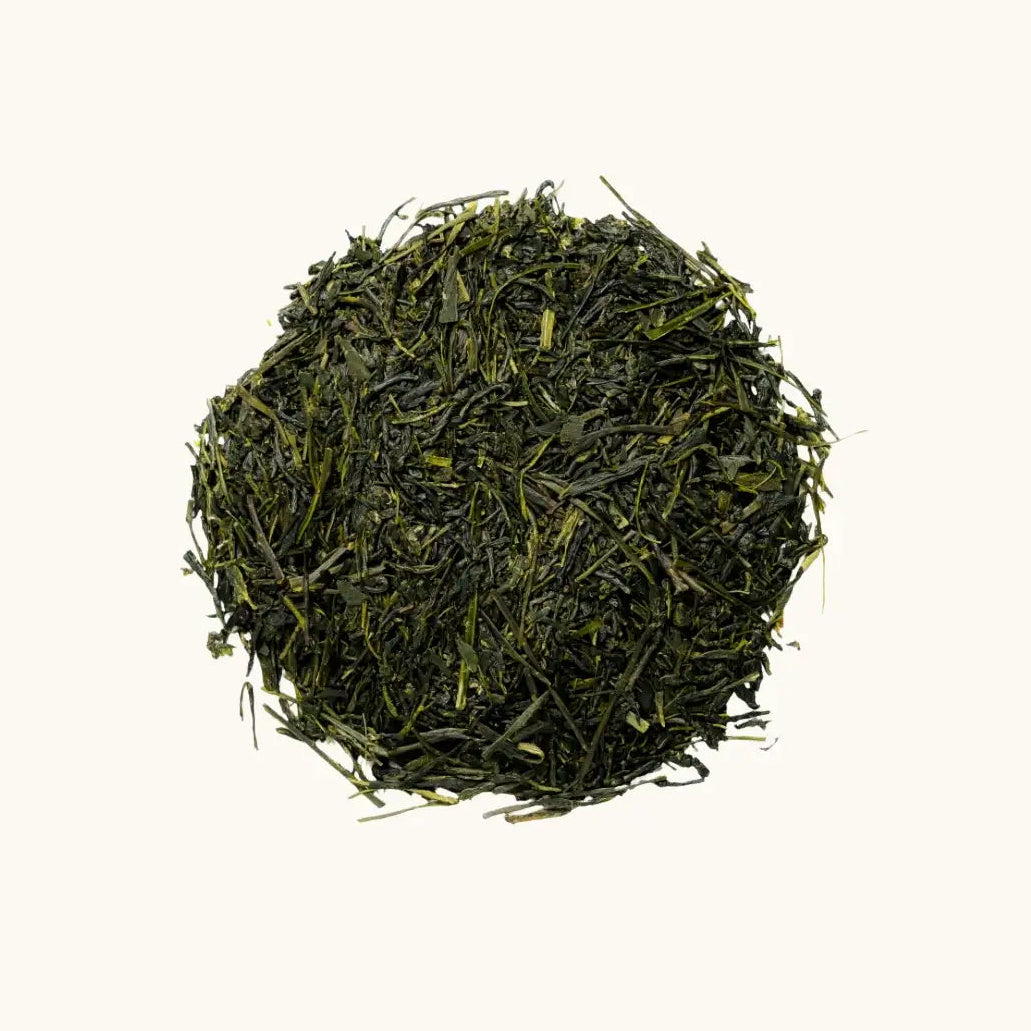
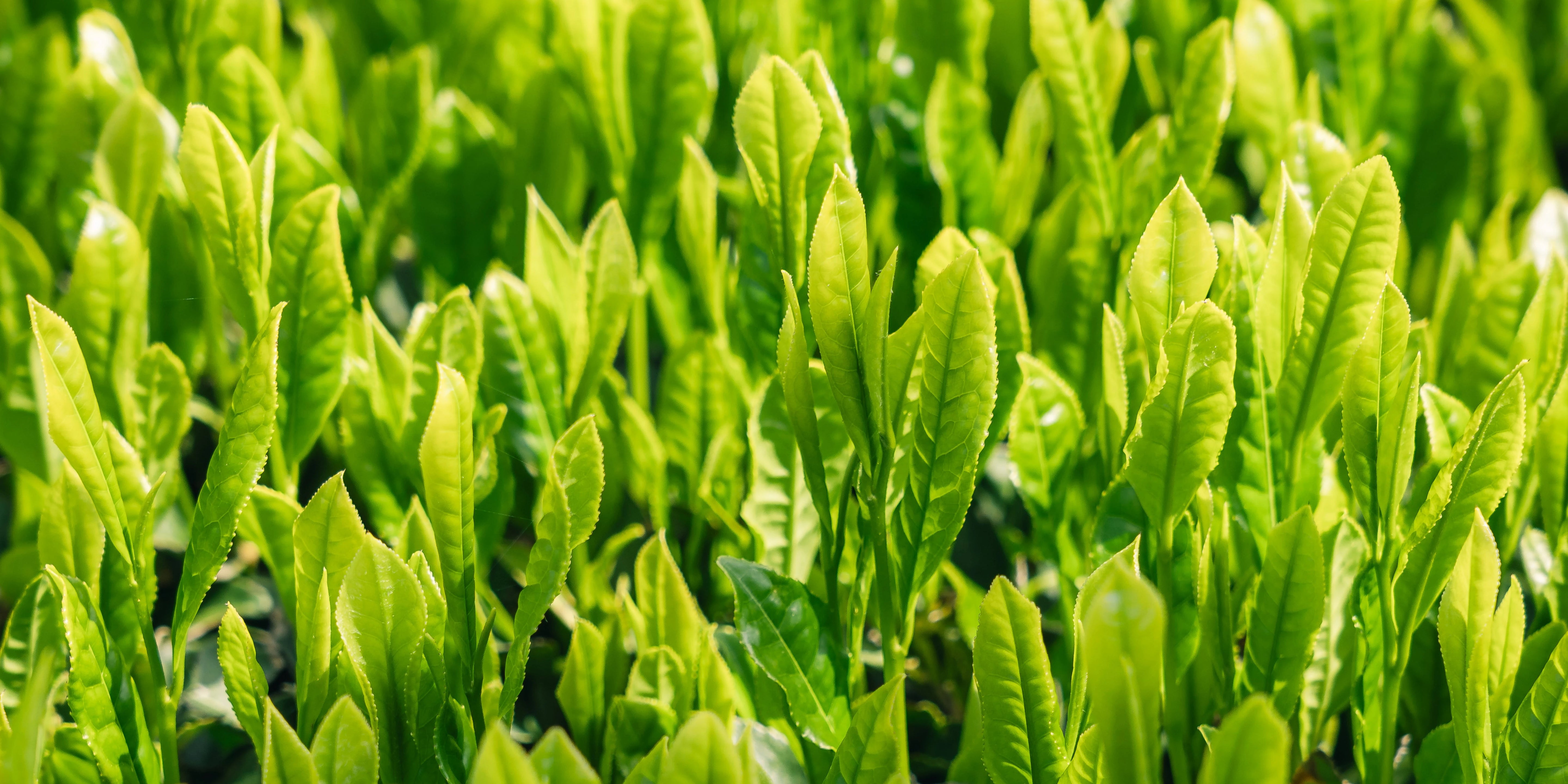
Sencha is the most common style of Japanese green tea, and for many people it becomes the reference point for what “Japanese tea” tastes like. After harvest, the leaves are typically steamed soon after picking to prevent oxidation, then rolled and dried into their familiar needle-like shape.
In the cup, Sencha tends to feel fresh and vivid. Depending on the producer, harvest, and processing, it can lean toward crisp and grassy, or toward rounder notes that suggest sweetness and gentle umami. Some Sencha are light-steamed and more delicate; others are deeper-steamed, producing a richer liquor and a softer, sometimes more intensely vegetal expression.
If you are beginning your Japanese tea journey, Sencha is often the most natural starting point, not because it is “simple,” but because it introduces the core language of Japanese green tea: freshness, balance, and a flavor that evolves over multiple infusions.
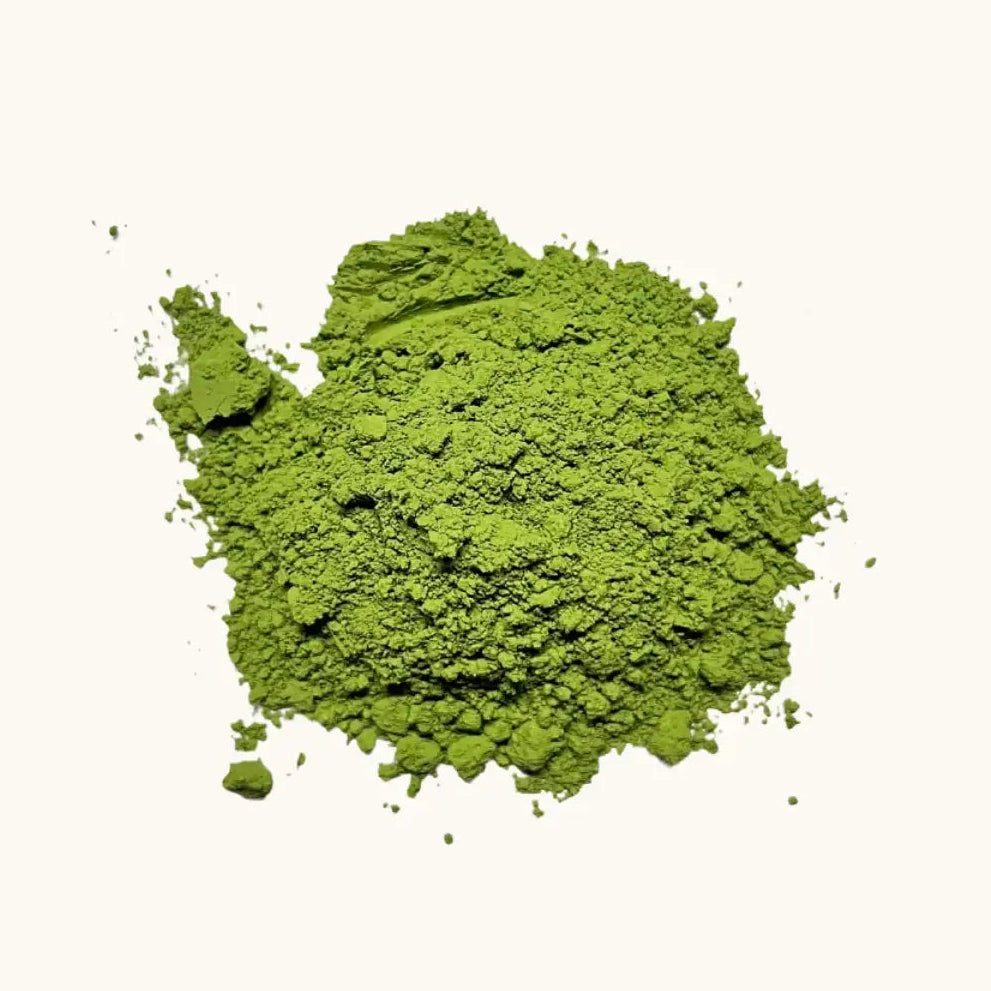
Matcha is Japanese green tea in a completely different form: a fine powder that is whisked into water and consumed entirely, rather than infused and strained. This is why Matcha can feel so immediate and full-bodied compared with leaf teas.
To make Matcha, tea plants are shaded before harvest to encourage a deeper concentration of amino acids. The leaves are then processed into tencha, a shade-grown tea dried in a way specifically designed for grinding. Tencha is typically de-stemmed and de-veined, and then ground into powder (often using stone mills for higher-quality production).
In taste, Matcha can offer an intense green aroma, a thick texture, and a pronounced umami that sits alongside a natural bitterness. It is central to tea ceremony culture, but it is also widely used in modern contexts, both as a daily ritual and as an ingredient. The key to understanding Matcha is that it isn’t merely “strong green tea.” It is its own category of experience: concentrated, textural, and deeply expressive.
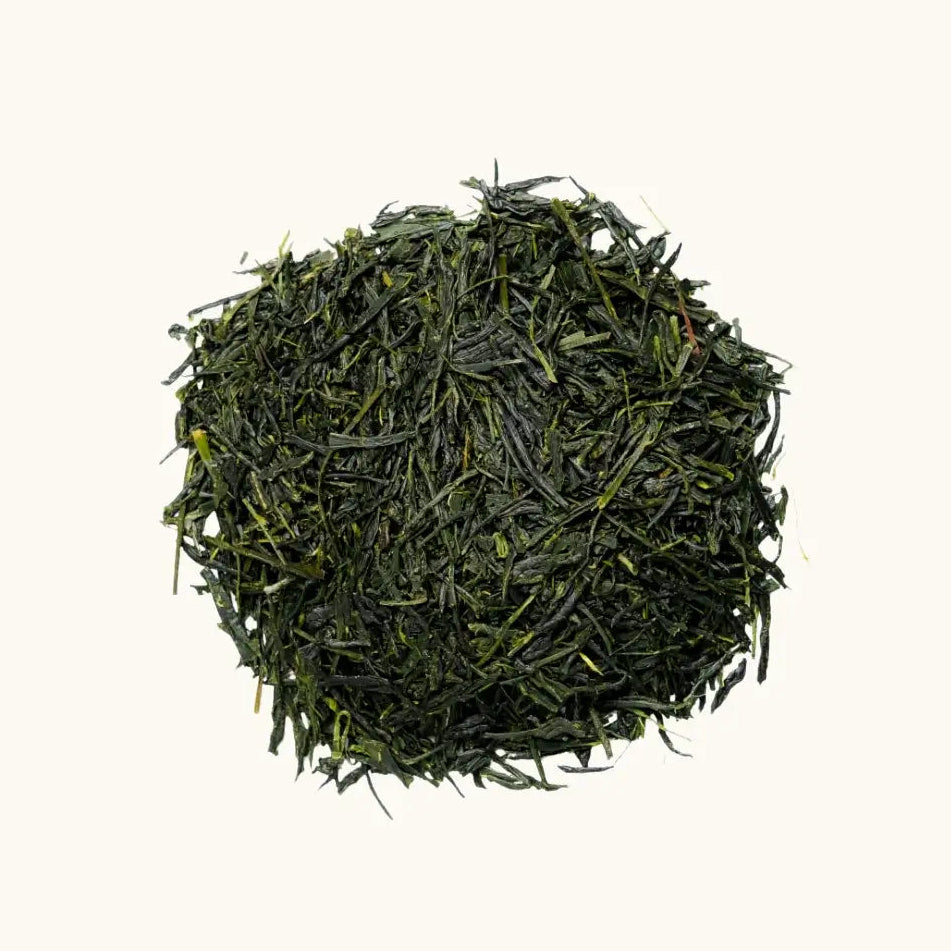
Gyokuro is often described as one of Japan’s most refined green teas. It is produced from leaves shaded for a longer period before harvest, a practice that emphasizes softness, sweetness, and umami over sharpness or bite.
Because of this shading, Gyokuro can feel almost quiet in its power. The cup is dense and layered, with a lingering sweetness and a deep, savory dimension that unfolds gradually. It is also typically brewed with lower-temperature water, which protects its delicate aromatic compounds and preserves its smooth character.
Gyokuro is not necessarily an “everyday” tea for many drinkers, not because it must be rare, but because it invites a different pace. It is often enjoyed slowly, in smaller servings, as something closer to tasting than simple hydration.
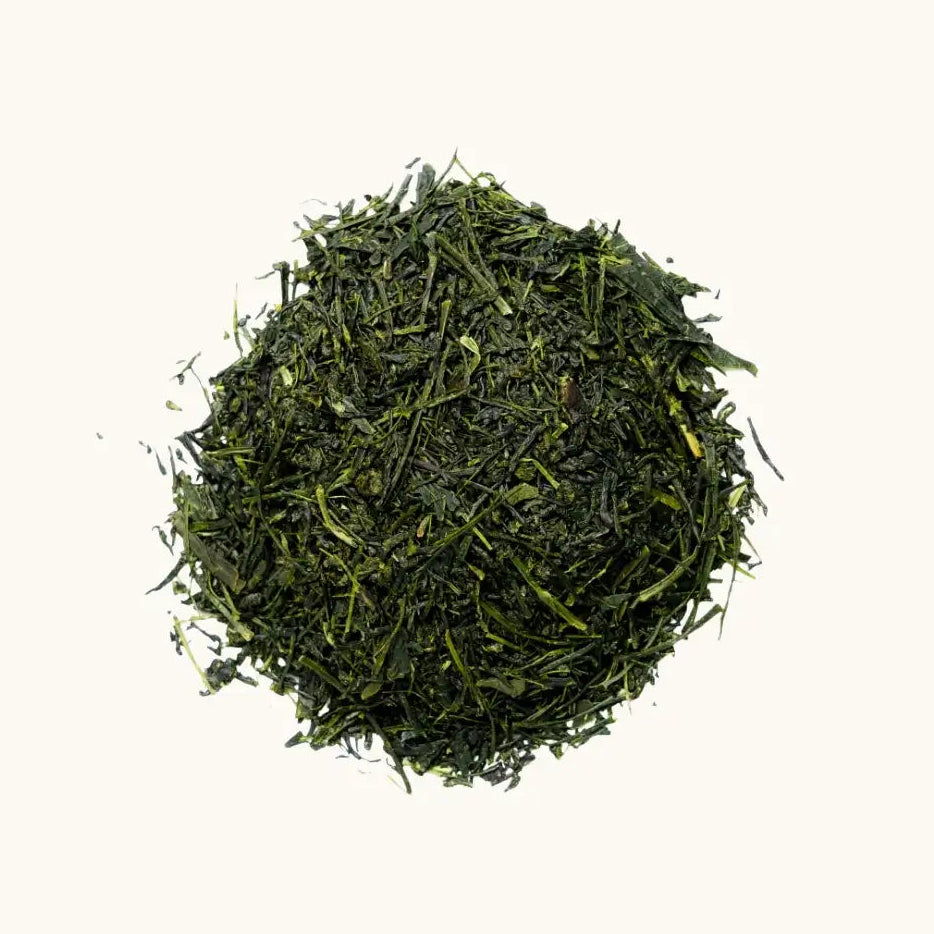
Kabusecha occupies a beautiful middle space in Japanese tea: it is a green tea made from leaves that are shaded before harvest, but usually for a shorter period than Gyokuro. In practice, the exact shading duration and method can vary from one producer to another, which means Kabusecha itself can be interpreted in multiple ways.
What you generally find, though, is a tea that carries some of the sweetness and umami associated with shade-growing, while still keeping the lift and freshness that many people love in Sencha. It can feel rounded and elegant, with a softness that makes it especially approachable for those who want more depth without moving all the way into the intensity of Gyokuro.
If Sencha is a bright introduction and Gyokuro a meditative depth, Kabusecha is often the quiet harmony between the two.
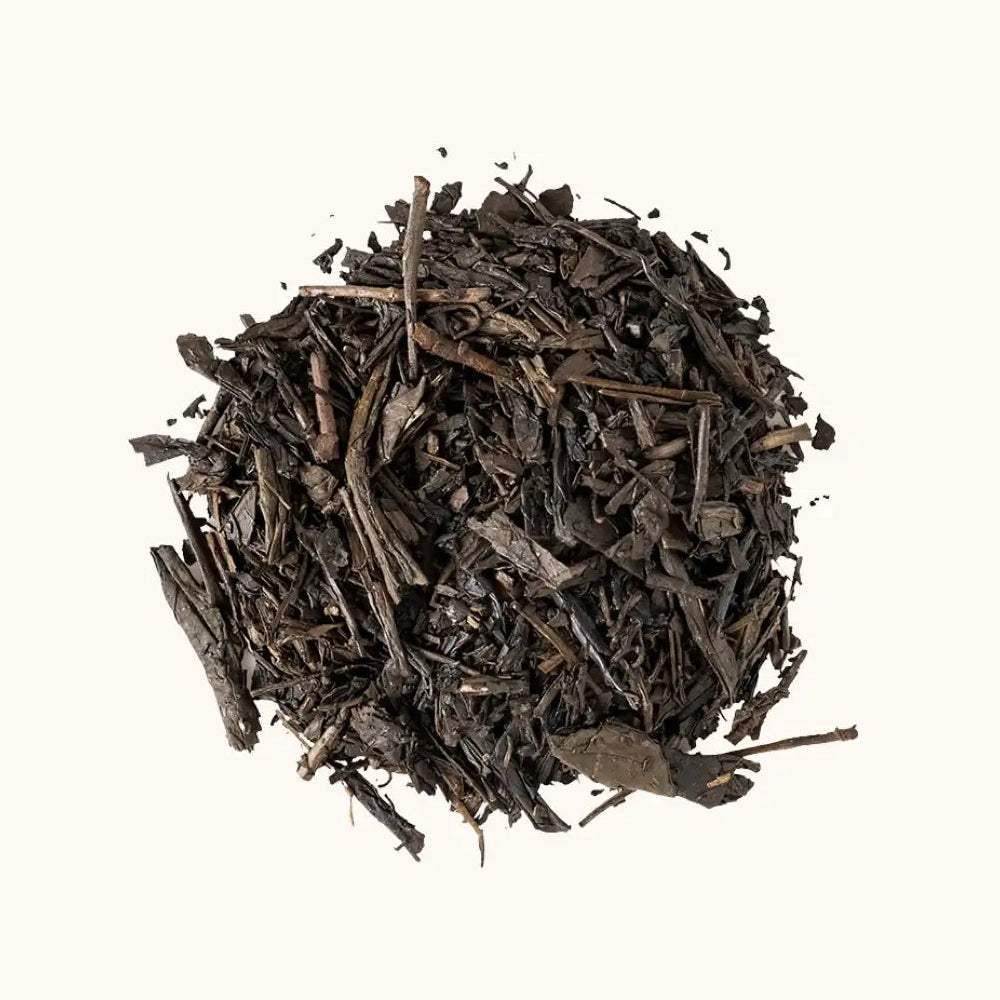
Hojicha is Japanese green tea that has been roasted, transforming the leaf’s character completely. The roasting process replaces fresh, grassy notes with warm aromas, often reminiscent of toasted grains, nuts, wood, or caramel.
Hojicha is frequently made from Bancha or from stems and twigs, though methods vary by producer. Its caffeine level is often lower than many other green teas, which is one reason it is commonly chosen for evenings or after meals.
If you think of Sencha as bright and Gyokuro as deep, Hojicha is comfort. It is the kind of tea that softens the edges of the day; simple in appearance, but surprisingly nuanced when made with care.
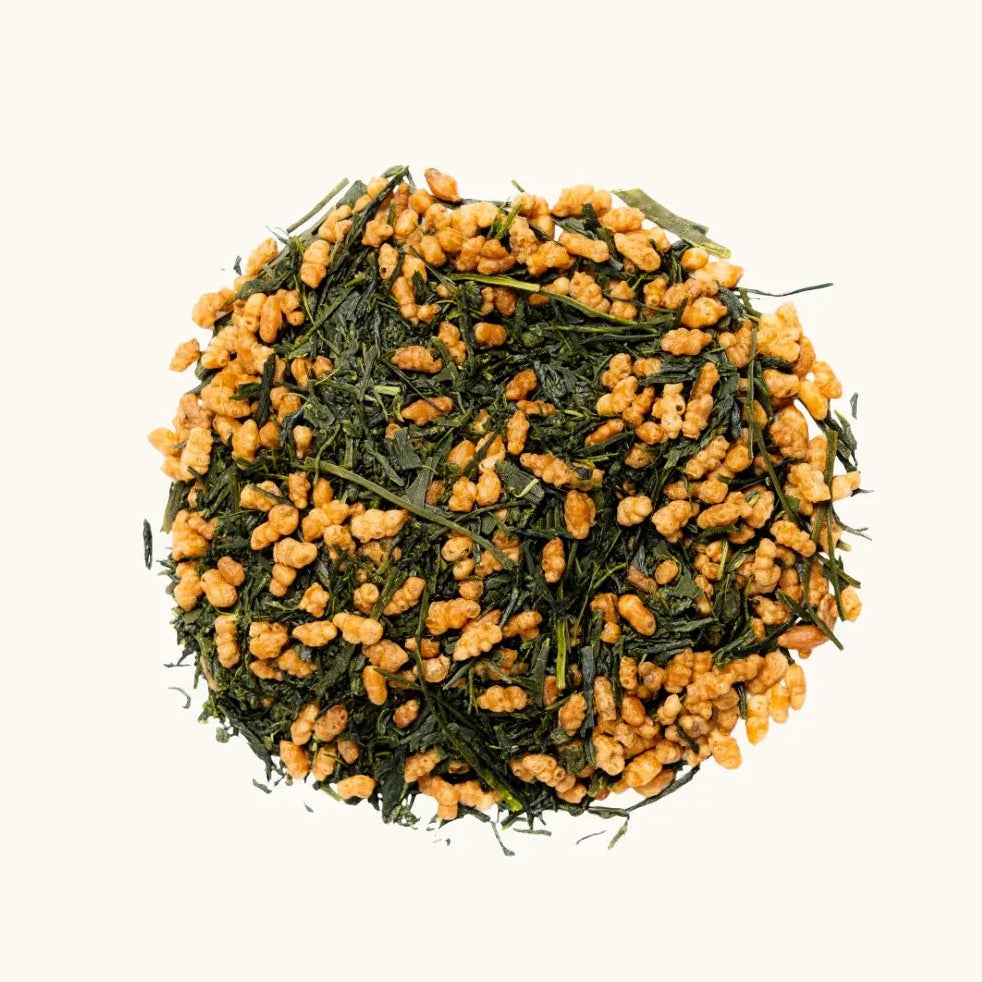
Genmaicha blends green tea with roasted rice, creating a tea that feels both familiar and distinctly Japanese. The rice brings a warm, cereal-like aroma that makes the cup feel comforting and nourishing, even when the green tea base remains present and refreshing.
Genmaicha can be made with different green tea bases (often Bancha, sometimes Sencha) and some versions include a touch of Matcha powder for added depth and color. What stays consistent is its approachable, rounded character. It is often recommended to beginners not because it is “less serious,” but because it immediately offers pleasure and balance: the roasted rice smooths sharp edges and makes the tea feel welcoming.
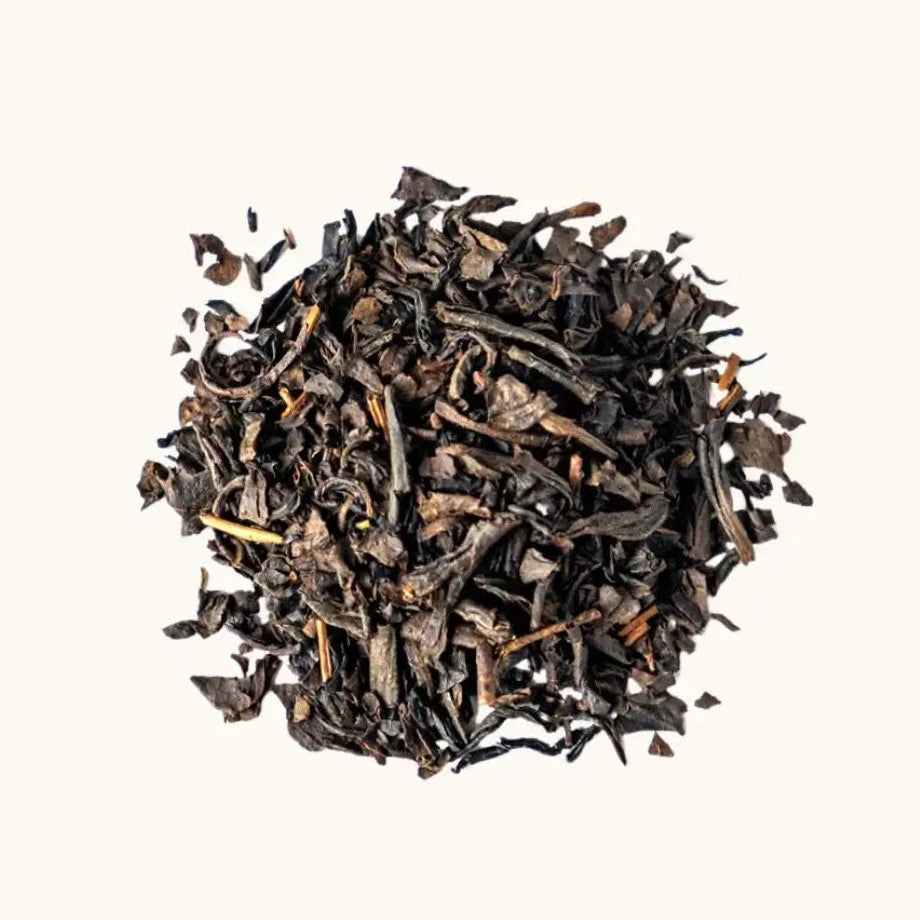
Wakoucha refers to Japanese black tea made with a cultivar used to make Sencha. Unlike most Japanese teas, it is oxidized, which places it closer to black tea traditions found elsewhere, yet the result can be notably different from the bold, highly astringent black teas many people know.
Japanese black teas often aim for balance and gentleness, with softer tannins and aromas that can suggest fruit, honey, or light spice depending on cultivar and processing. Production remains smaller compared with green tea, which is part of why Wakoucha is less widely known.
For curious drinkers, though, it offers a compelling perspective: Japan’s craftsmanship expressed through a different style of tea
If you’ve ever wondered why Japanese tea tastes so distinct, why it can feel vivid and fresh, why some cups carry deep sweetness and umami, and why others lean toward roasted comfort, the answer lies in the making. The tea plant may be the starting point, but the identity of Japanese tea is shaped by a sequence of decisions made in the field and in the workshop.
Because most Japanese teas are green teas, the process below often describes the production of Japanese green tea in broad terms. From there, small variations (shading before harvest, the way heat is applied after picking, the way the leaf is shaped, or whether it is roasted, blended, or ground) create entirely different styles.
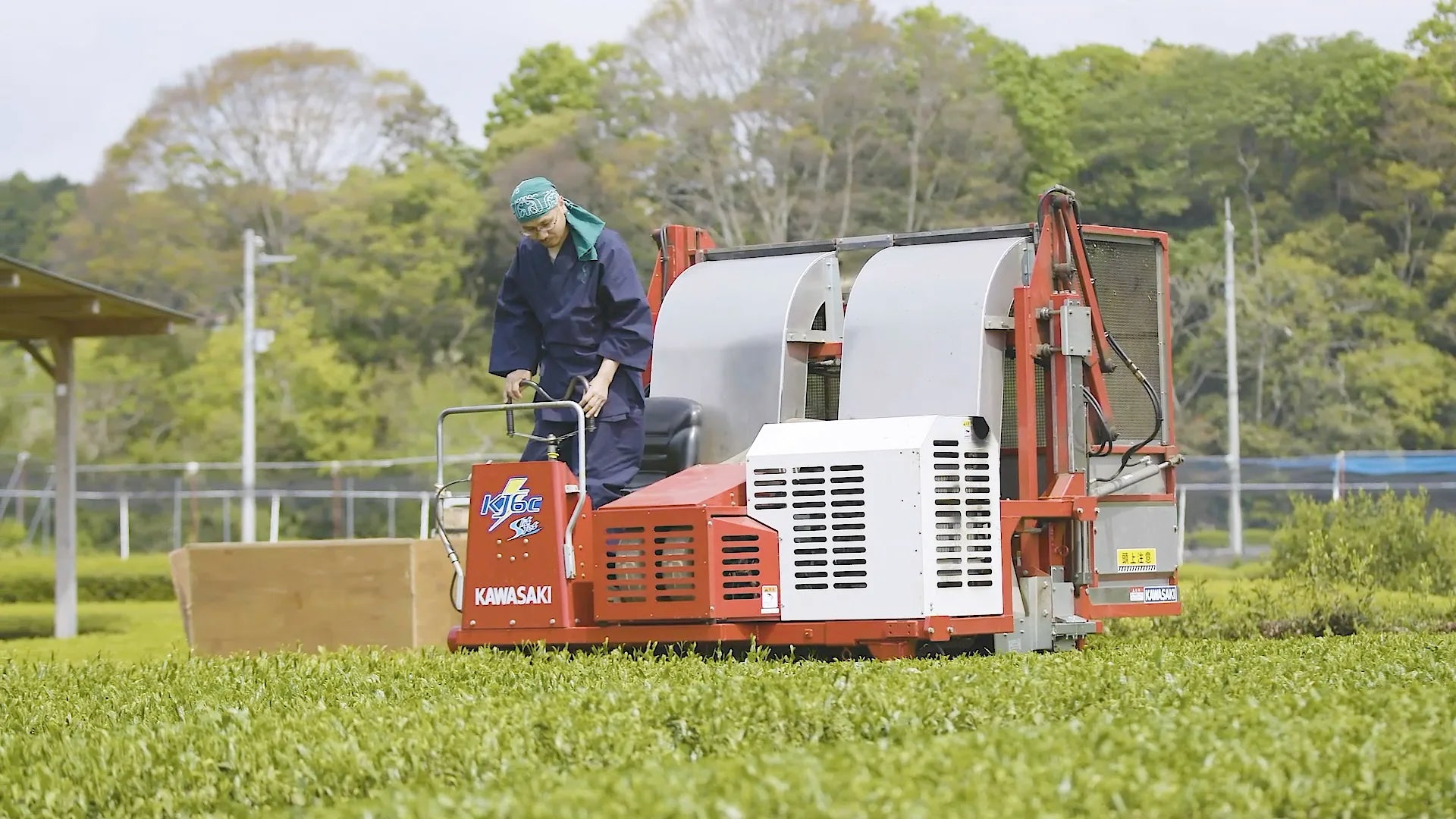
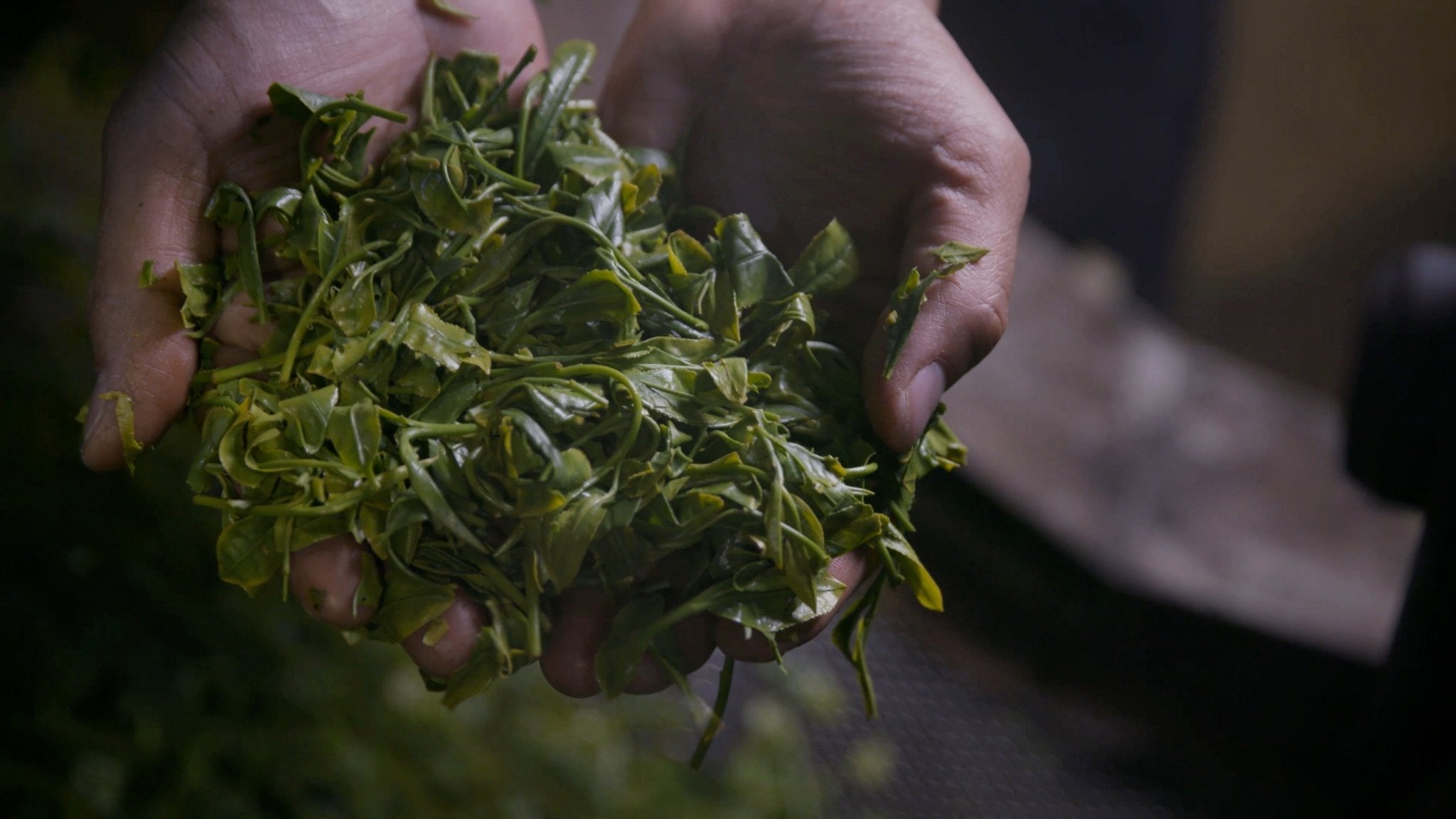
Harvest is both agricultural and deeply precise. Depending on the farm, the style of tea, and the intended quality level, harvesting can be done by hand or by machine. What matters most is not romance, but timing: catching the leaf at the moment the producer believes it will express the desired profile.
A small difference in harvest timing can shift the final cup. Some teas are picked to highlight freshness and lift; others are harvested later to produce a gentler, more daily-drinking expression. This is one reason “Japanese tea” can never be reduced to a single taste: even before processing begins, the leaf is already carrying a direction.
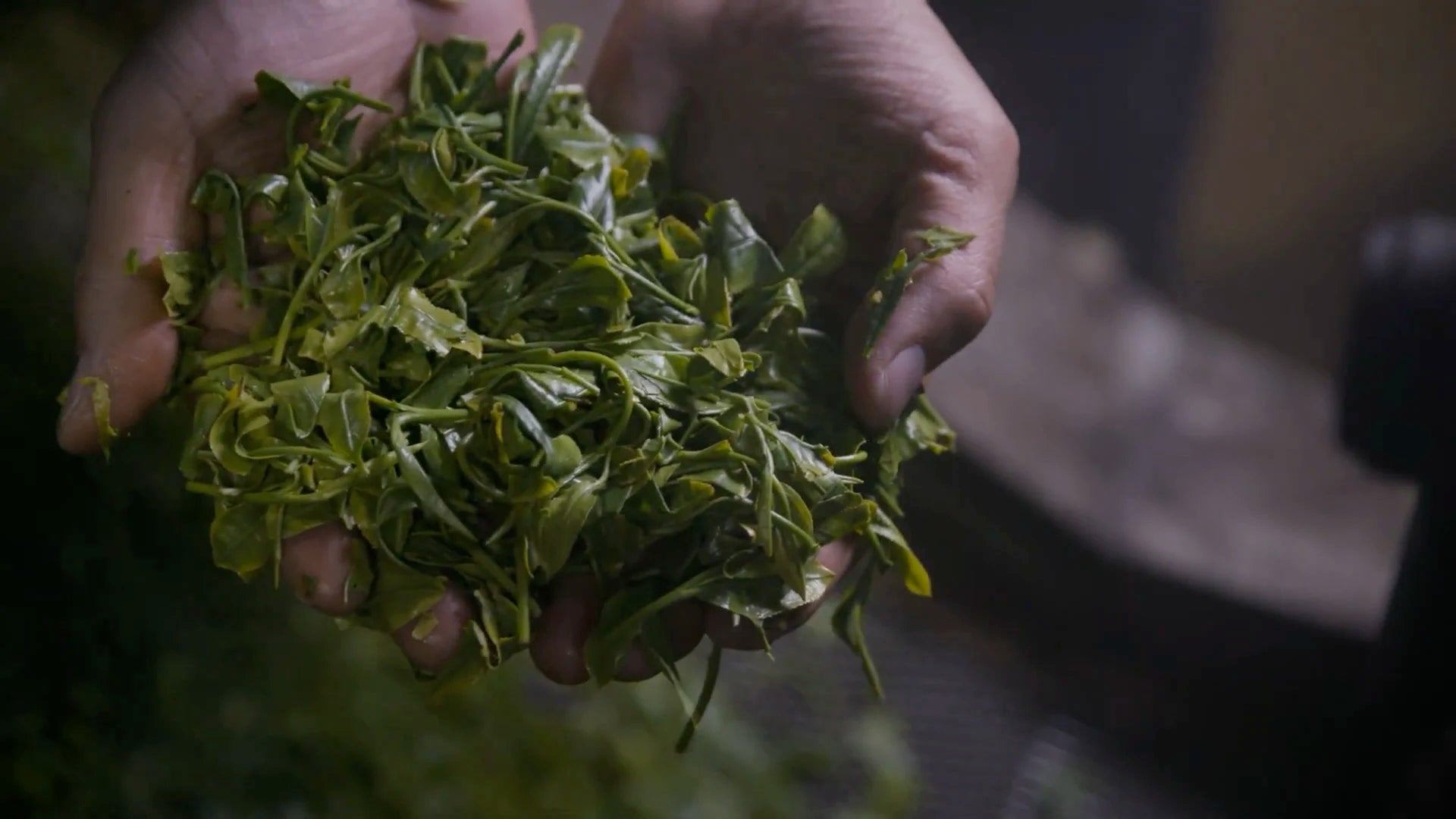
One of the defining steps in most Japanese green teas happens soon after picking: the leaves are steamed to stop oxidation. Steaming preserves the leaf’s green character, its brightness, its vegetal freshness, and its clarity, while setting the foundation for the aroma and texture that will emerge later. The details of this step matter profoundly. Changes in steaming intensity can shift how the tea feels in the cup, how it pours, and how it responds to brewing.
It’s also worth noting that not all Japanese green tea is steamed. Some regional styles are pan-fired instead, producing a warmer aromatic profile. This diversity is part of what makes Japanese tea so compelling: even within “green tea,” there are multiple paths.

Once the leaves have been steamed, they do not move directly into rolling without transition. They must first be cooled. This step may seem modest compared with steaming itself, yet it plays an essential role in stabilizing the leaf before the next stage of shaping begins. Cooling helps release excess heat, regulate moisture more evenly, and prevent the leaf from continuing to change in an uncontrolled way. Just as importantly, it helps preserve the freshness that steaming was meant to protect in the first place. A well-cooled leaf remains supple enough to be worked further, while keeping the clarity, aroma, and lively green character that will later define the finished tea in the cup.
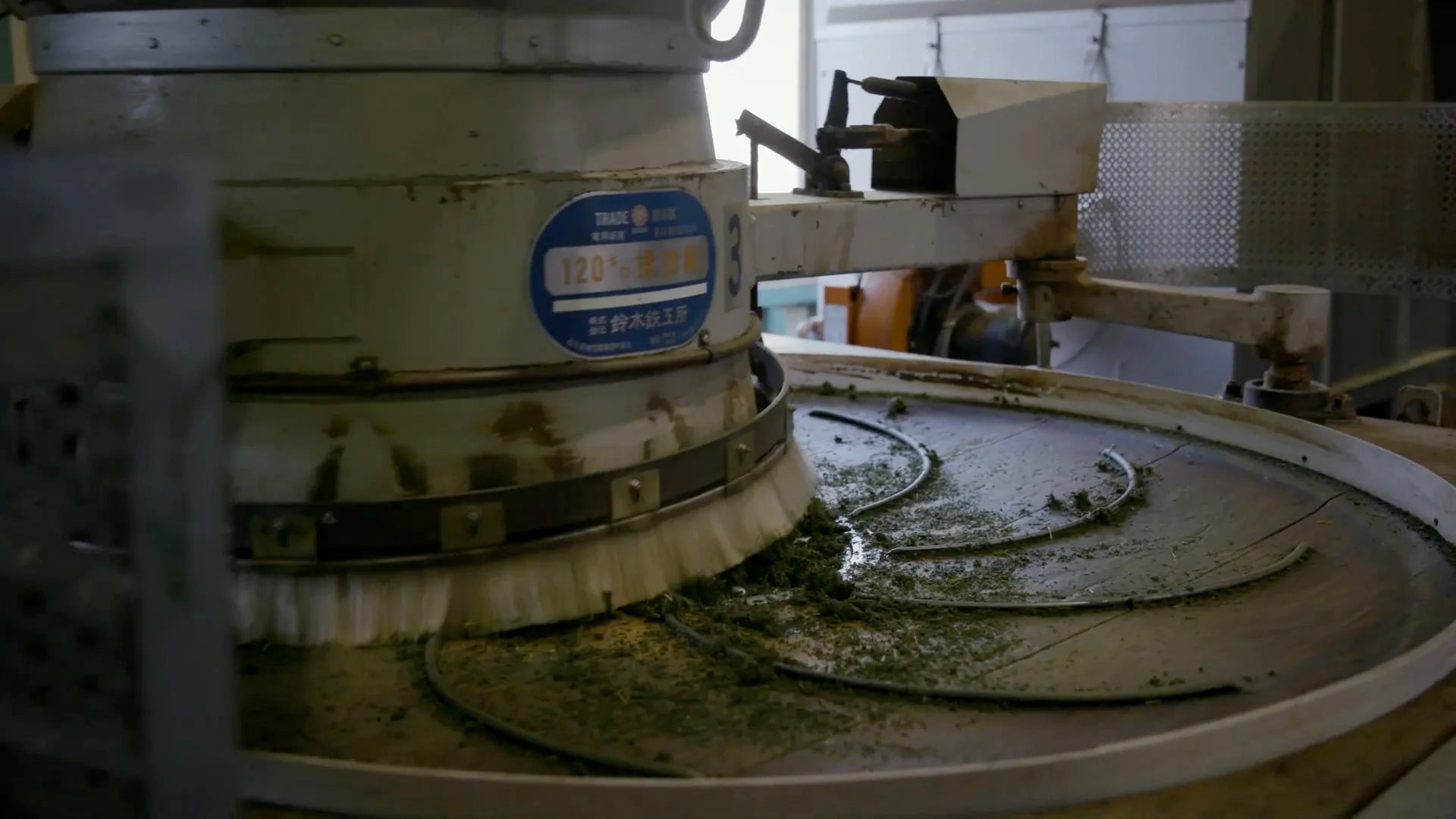
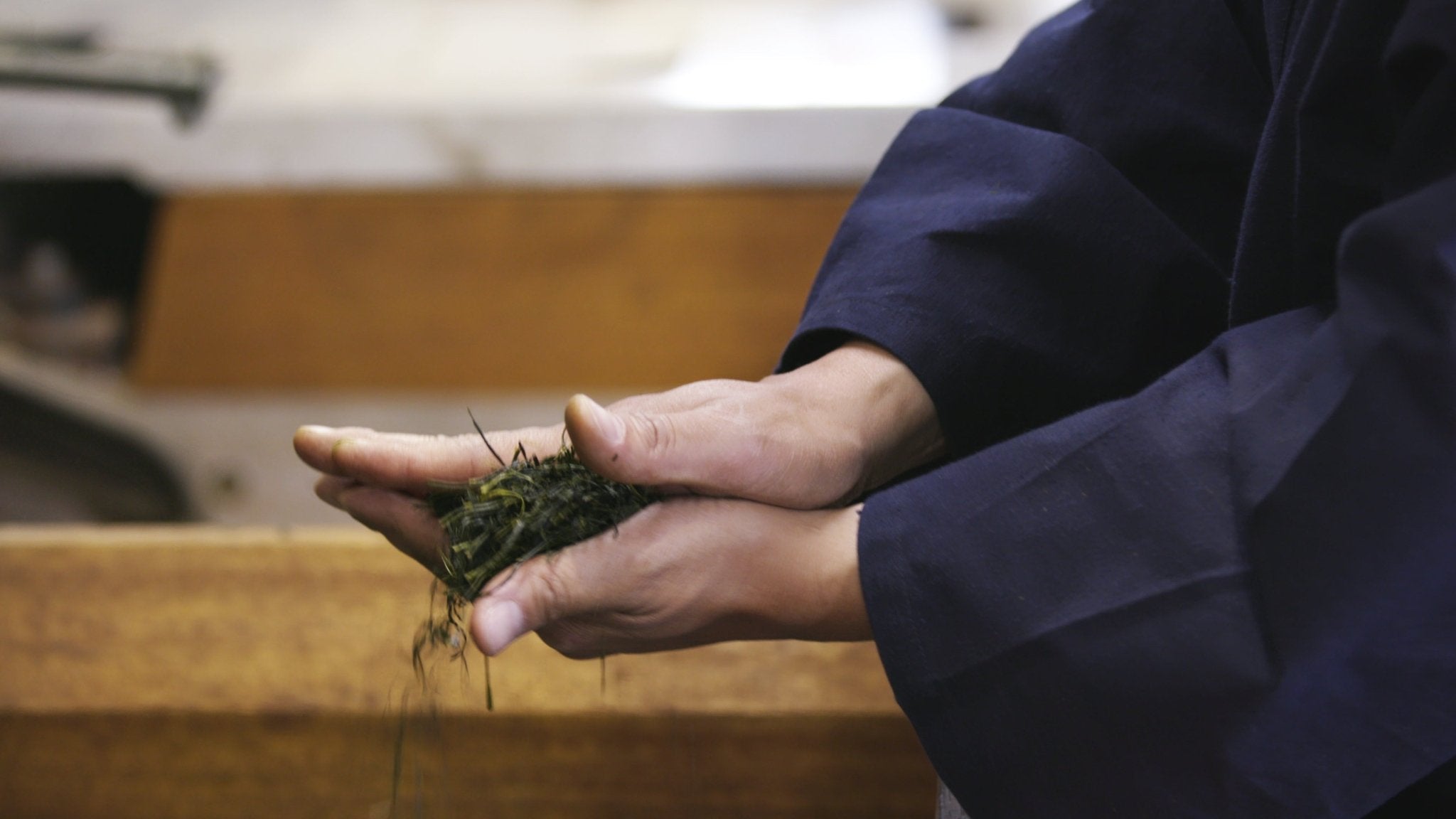
After the leaf is stabilized, it is shaped through rolling. This is not simply about appearance. Rolling transforms the leaf physically: it helps distribute moisture, encourages certain aromatic developments, and prepares the tea to infuse in a controlled, expressive way.
Japanese green teas are often rolled and shaped into slender forms, which contributes to how they brew and how their flavor unfolds. The process is typically done through a sequence of controlled steps rather than a single action. This is where craft becomes visible: the tea maker is not only preserving what the leaf contains, but guiding how it will release itself into water.
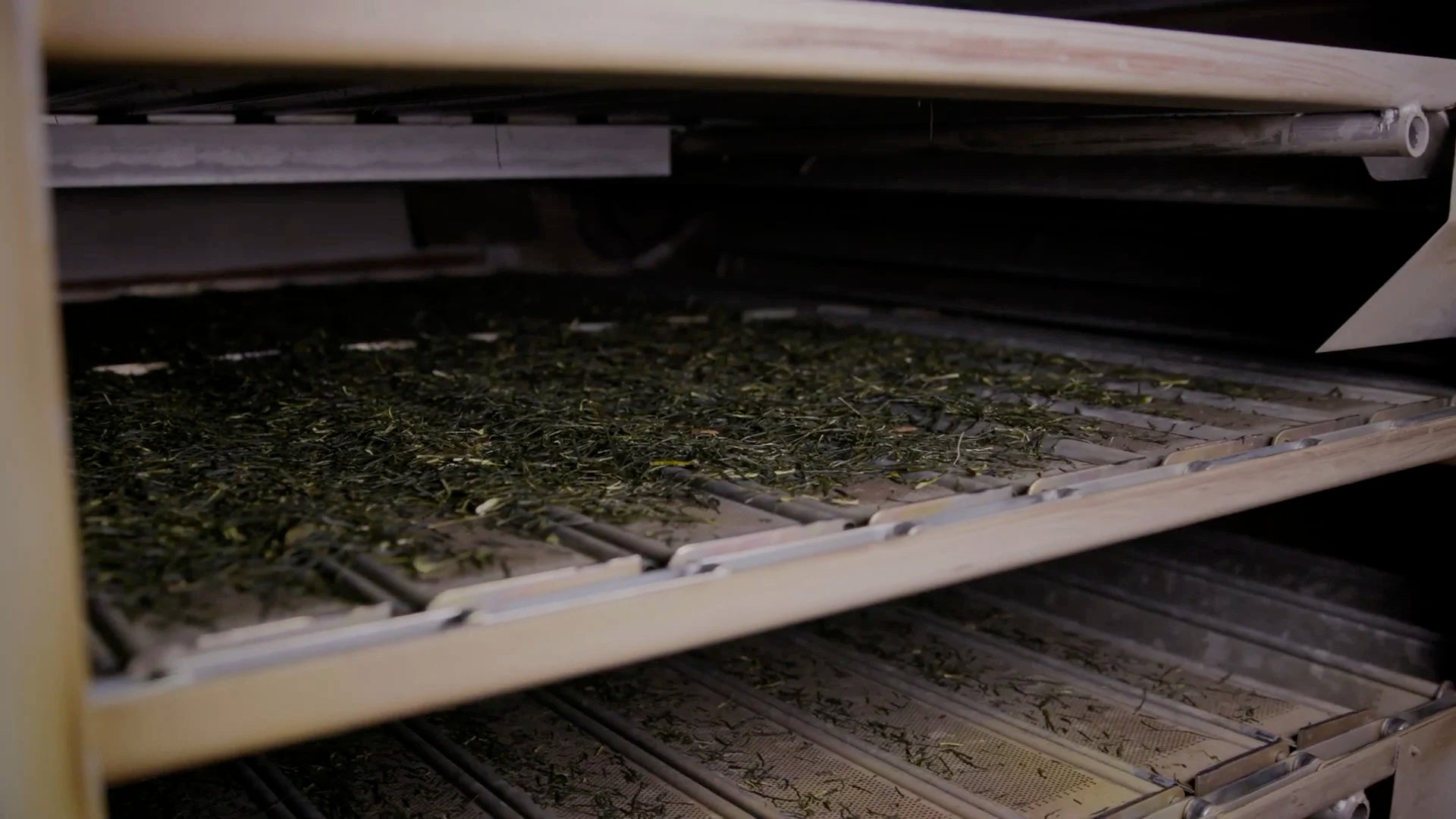
Drying reduces moisture so the tea can be stored and transported without losing integrity. But drying is not merely preservation, it is also refinement. If the leaf is dried too aggressively, freshness can collapse; if it is dried too softly, stability can suffer. The goal is balance: keeping the tea alive in character while making it stable enough to last.
Many producers also apply a finishing heat step to adjust aroma and improve stability. This is not “burning” the tea; it is more like a final calibration, an invisible touch that can influence how the cup feels: brighter or warmer, sharper or rounder, more immediate or more lingering. The degree and style of finishing varies widely, which is why two teas can share a category name and still taste completely different.
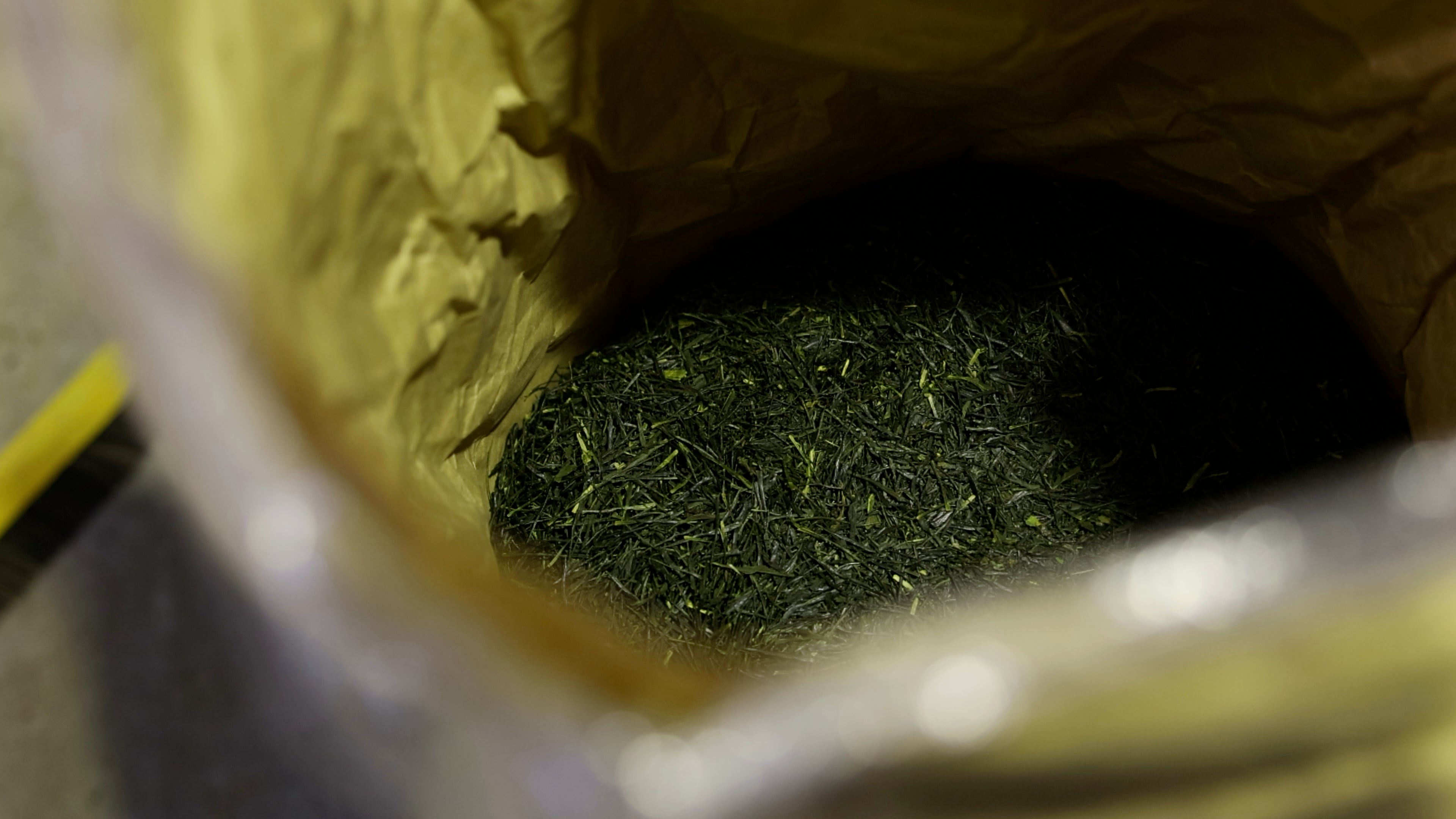
Before tea reaches the drinker, it is often refined. This can include sorting, removing certain parts of the plant material, and shaping the final balance of the tea. Some teas are kept as distinct lots that reflect a specific field or harvest; others are blended thoughtfully to create a consistent expression that the producer considers “complete.”
This stage is where Japanese tea becomes especially intentional. The final result is not only the outcome of farming, but of editorial judgment; choosing what belongs together, what should remain separate, and what kind of experience the tea should offer.
Once you understand how Japanese tea is made, the question of taste becomes much easier to answer. Japanese tea does not taste different because it is mysterious, or because it follows a completely separate set of rules. It tastes different because the choices that shape it. From how the leaf is handled after harvest to how it is grown before harvest, tend to emphasize a particular kind of expression: freshness, clarity, and a depth that often shows itself as umami rather than sharpness.
This is also why Japanese tea can surprise first-time drinkers. Someone expecting the toasted warmth of many pan-fired green teas, or the malty richness of black tea, may encounter something brighter, greener, and more layered over time. Not necessarily stronger, just different in direction.
It’s easy to assume that tea taste is mostly determined by “green vs black,” or by steeping time. But in Japanese tea, the cultivar (the specific tea plant variety) plays an outsized role in defining aroma and mouthfeel.
Japan has developed and selected cultivars with particular goals in mind, and many of them are chosen because they express beautifully under Japanese green tea production methods. Cultivars can influence whether a tea feels more floral or more vegetal, more brisk or more rounded, more aromatic or more calm. They also influence how a tea responds to steaming, how it behaves over multiple infusions, and how forgiving it is in the hands of a beginner.
This is part of what makes Japanese tea both complex and rewarding. Two teas might both be “Sencha,” yet taste completely different because they come from different cultivars, harvested at different times, and finished with different intentions. For a new drinker, this can feel confusing at first. But once you recognize that Japanese tea is built around a vocabulary of nuance, it becomes less confusing and more like discovery.
Another major reason Japanese tea tastes different is the way certain styles are cultivated to highlight umami. In tea, umami is not a seasoning or an added ingredient; it is a sensation of depth and softness, often linked to amino acids naturally present in the leaf. When people describe a tea as broth, creamy, or gently sweet in a way that feels nourishing rather than sugary, they are often describing umami.
In Japan, some teas are intentionally grown to emphasize this dimension. Shading the tea plants before harvest is one of the best-known examples. When a plant receives less direct sunlight, its internal balance shifts. The leaf tends to develop in a direction that supports sweetness and umami rather than sharpness. This is why shade-grown teas such as Gyokuro, and partially shaded teas such as Kabusecha, can feel so different from a bright, sun-grown Sencha.
Even outside of shading, harvest timing influences this balance. Young, tender leaves can express a more refined sweetness and aromatic clarity, while later harvest material often creates a sturdier, more straightforward cup. These are not rigid rules, and every producer interprets them differently, but the principle is useful: Japanese tea often tastes different because producers are intentionally shaping the leaf toward a specific kind of elegance and depth.
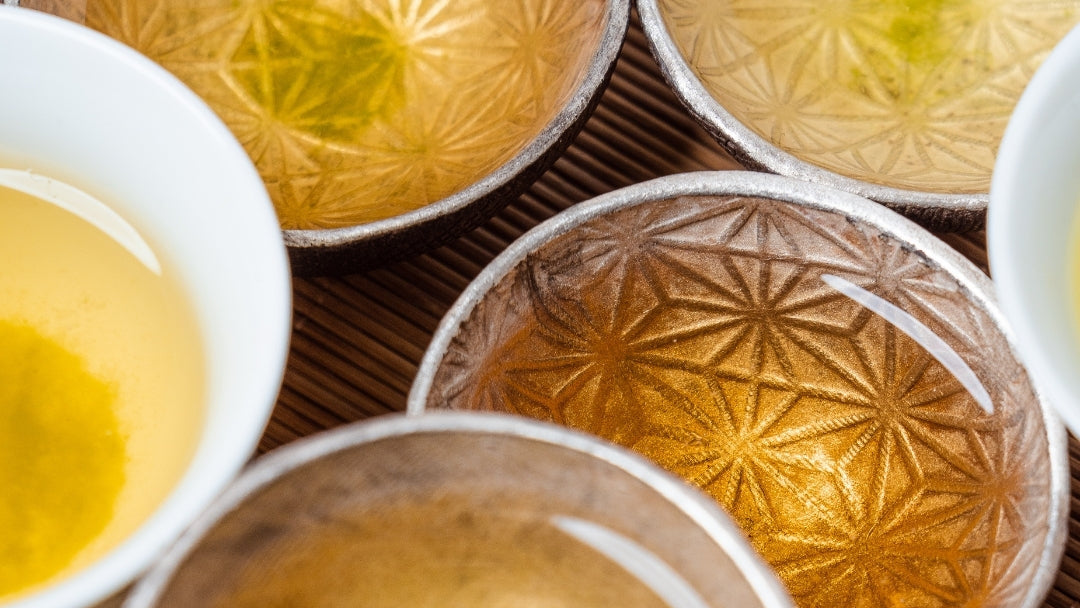
Taste is not only created by production, it is also revealed by preparation. Japanese tea culture often approaches brewing in a way that draws out sweetness, aroma, and balance rather than maximal extraction.
Many Japanese green teas are brewed at relatively moderate temperatures compared with boiling water, and they are often enjoyed through multiple infusions. This matters because different compounds dissolve at different rates and temperatures. When tea is brewed too hot or too long, bitterness and astringency can dominate, even in a very good tea. When it is brewed with care, the cup can reveal layers: sweetness first, then umami, then a clean finish that lingers rather than clings.
This is also why Japanese tea can feel “alive” over time. A single set of leaves may offer several distinct cups, each with its own character. The first infusion can be aromatic and precise, the second can be rounder and more expressive, and the third can become lighter and refreshing. This progression is part of the experience, and it’s one reason Japanese tea is often described as something to spend time with rather than something to consume quickly.
Finally, Japanese tea tastes different because it comes from real landscapes, and those landscapes vary widely. Japan’s tea regions range from areas influenced by coastal climates to inland valleys and mountain zones, and soils and microclimates can differ significantly from one place to another. These differences are not always easy to translate into a single sentence, and they should never be reduced to a cliché.
What can be said, though, is that Japanese tea is often produced with a strong sensitivity to place. Producers work with the conditions they have, and over time, they refine methods that suit their environment. This is why “Japanese tea” is best understood as a culture of craft rather than as a uniform product. Its difference is not only in geography, but in the way geography is interpreted through practice.
If you take one thing from this guide, let it be this: Japanese tea is not a single drink, and it is not defined by one famous style. It is a world of quiet variation, shaped by the way a leaf is grown, the way it is handled after harvest, and the kind of experience its maker hopes it will offer.
That is why Japanese tea can feel so alive. It can be bright and invigorating, or deep and meditative. It can be roasted into warmth, blended into comfort, or refined into a cup that asks you to slow down and notice what usually passes unnoticed. The differences are not superficial; they are the result of decisions made with care, often refined over many seasons.
But beyond categories and methods, Japanese tea holds something simpler and more enduring. It creates a pause. It offers a moment of attention in the middle of daily life; a small ritual that doesn’t demand ceremony, only presence.
If you are new to Japanese tea, you don’t need to master it. You only need to begin. Start with a cup that feels right, taste it slowly, and let your understanding grow naturally over time. The more you explore, the more you’ll realize that Japanese tea is less about knowing everything and more about learning how to notice.
In the end, that may be the most beautiful thing it offers: not only a flavor, but a way of being with time.