

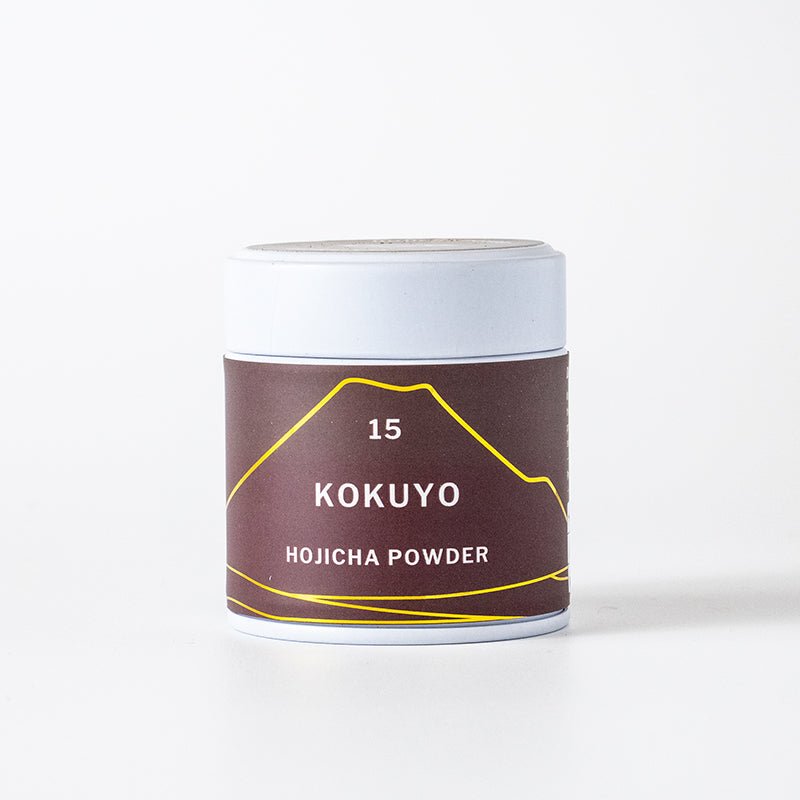
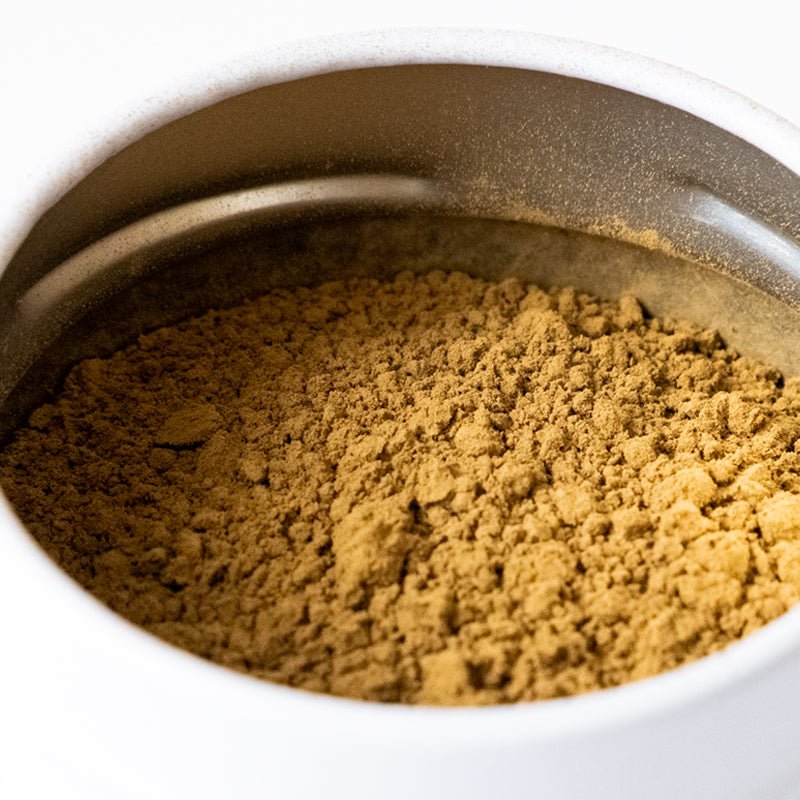

First Flush
Production
Per Serving
Type

Cultivar

Process
First Flush
Blend From
Per Serving
Type
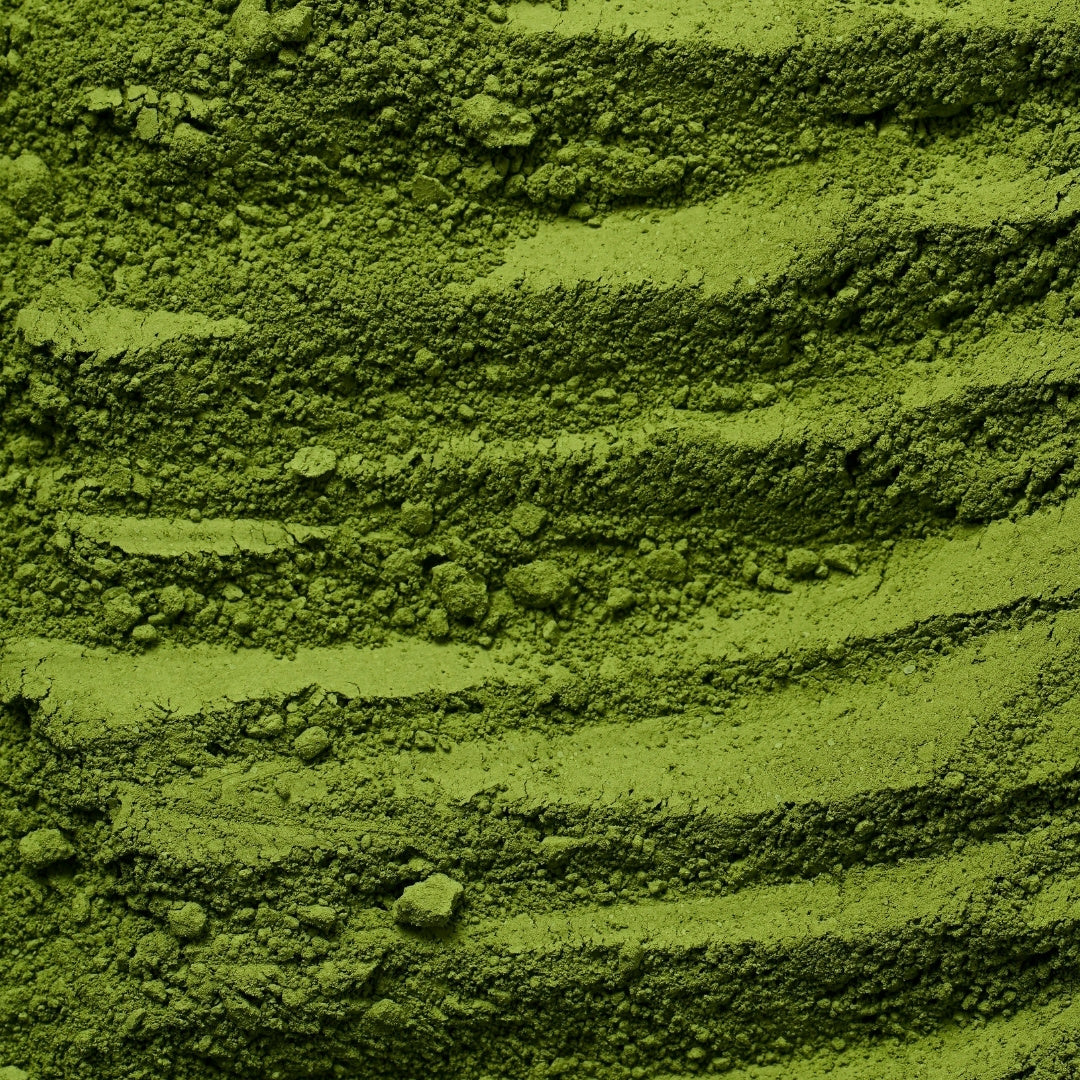
What are Tea Powders?
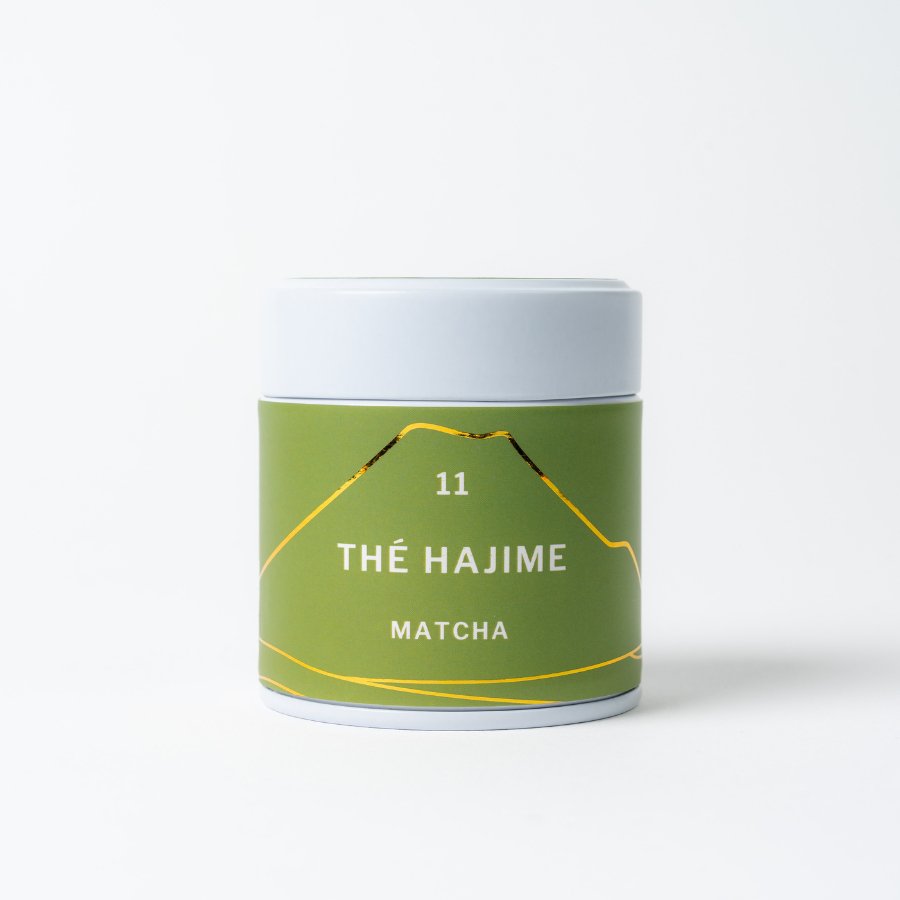
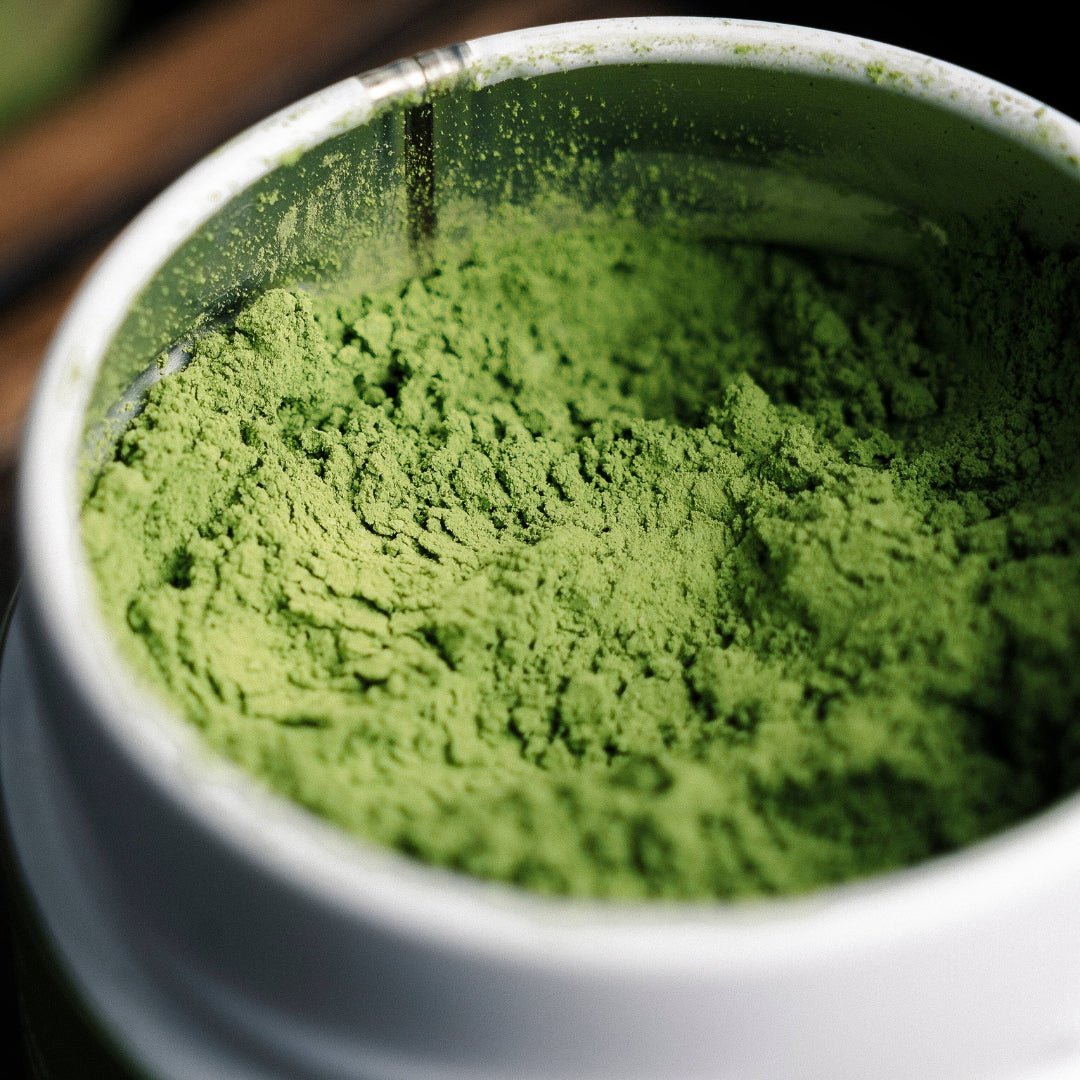
Japanese tea powders are produced by finely grinding tea leaves into a vibrant powder that can be whisked directly into water. Unlike loose-leaf teas, where the leaves are infused and removed, powdered teas allow the drinker to consume the entire tea leaf, resulting in a richer texture and deeper flavor experience.
The most famous example is Matcha, traditionally used in Japanese tea ceremonies, but other powdered teas, such as Hojicha powder, have also become popular for their distinctive roasted aroma and versatility.
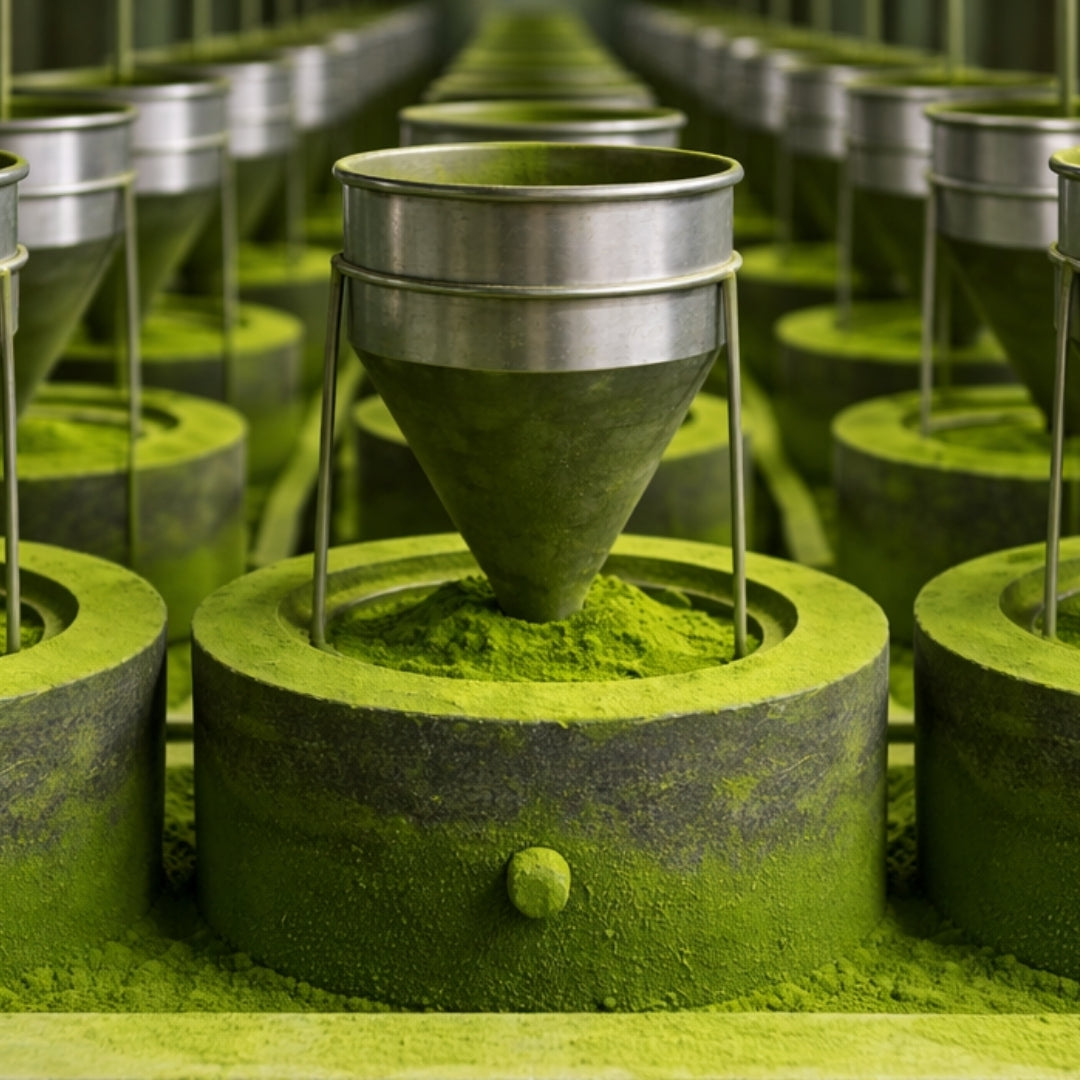
How Are They Made?
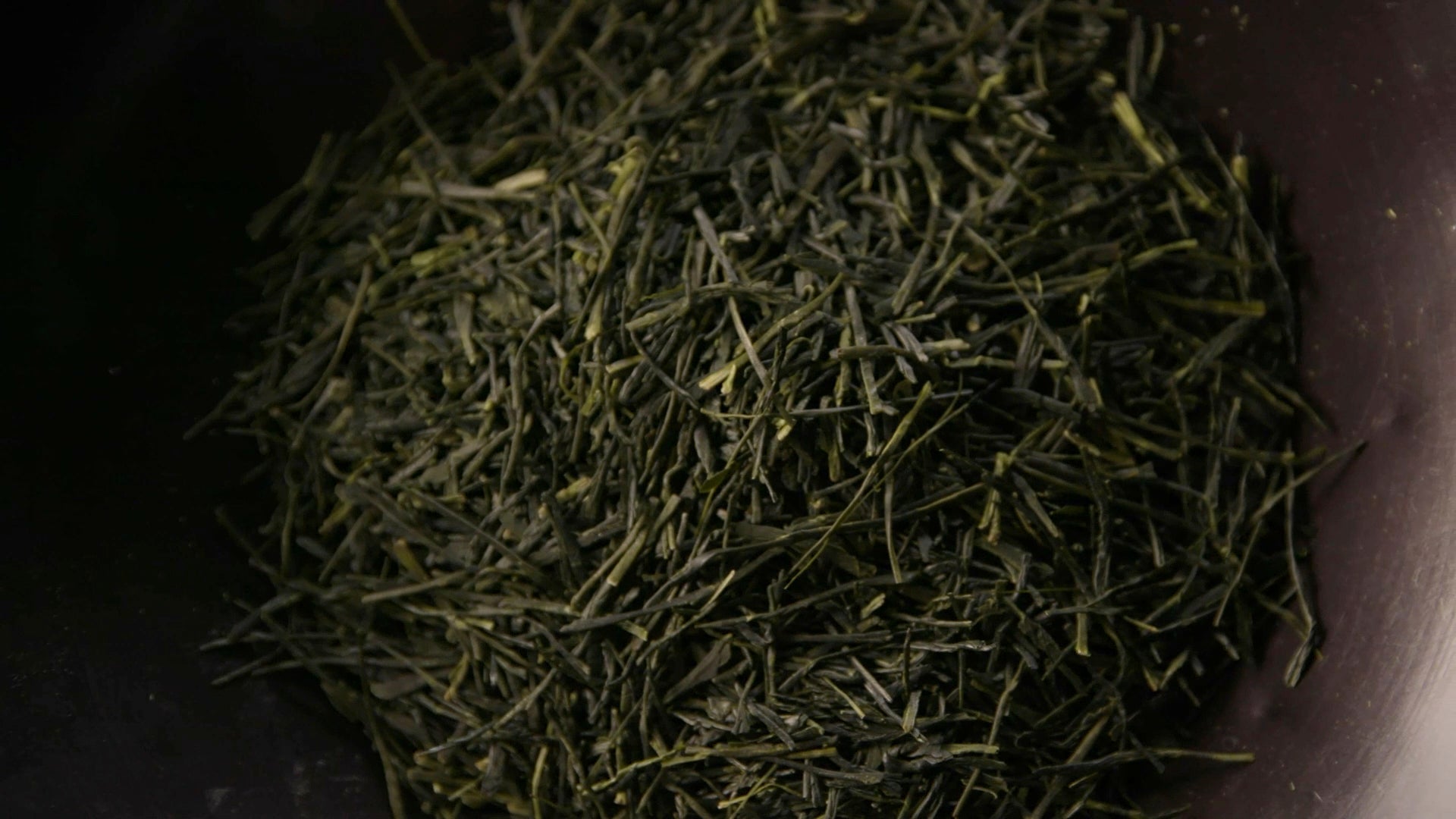
The production of Japanese tea powders begins with carefully cultivated tea leaves that are harvested, processed, and then finely milled using traditional stone mills or modern grinding techniques. For matcha, the leaves are typically shaded before harvest and processed into tencha, a leaf specifically prepared for grinding.
The slow milling process transforms the dried leaves into an ultra-fine powder, preserving their vibrant color, aroma, and natural compounds. This careful craftsmanship ensures that each bowl of powdered tea delivers a concentrated and balanced flavor.
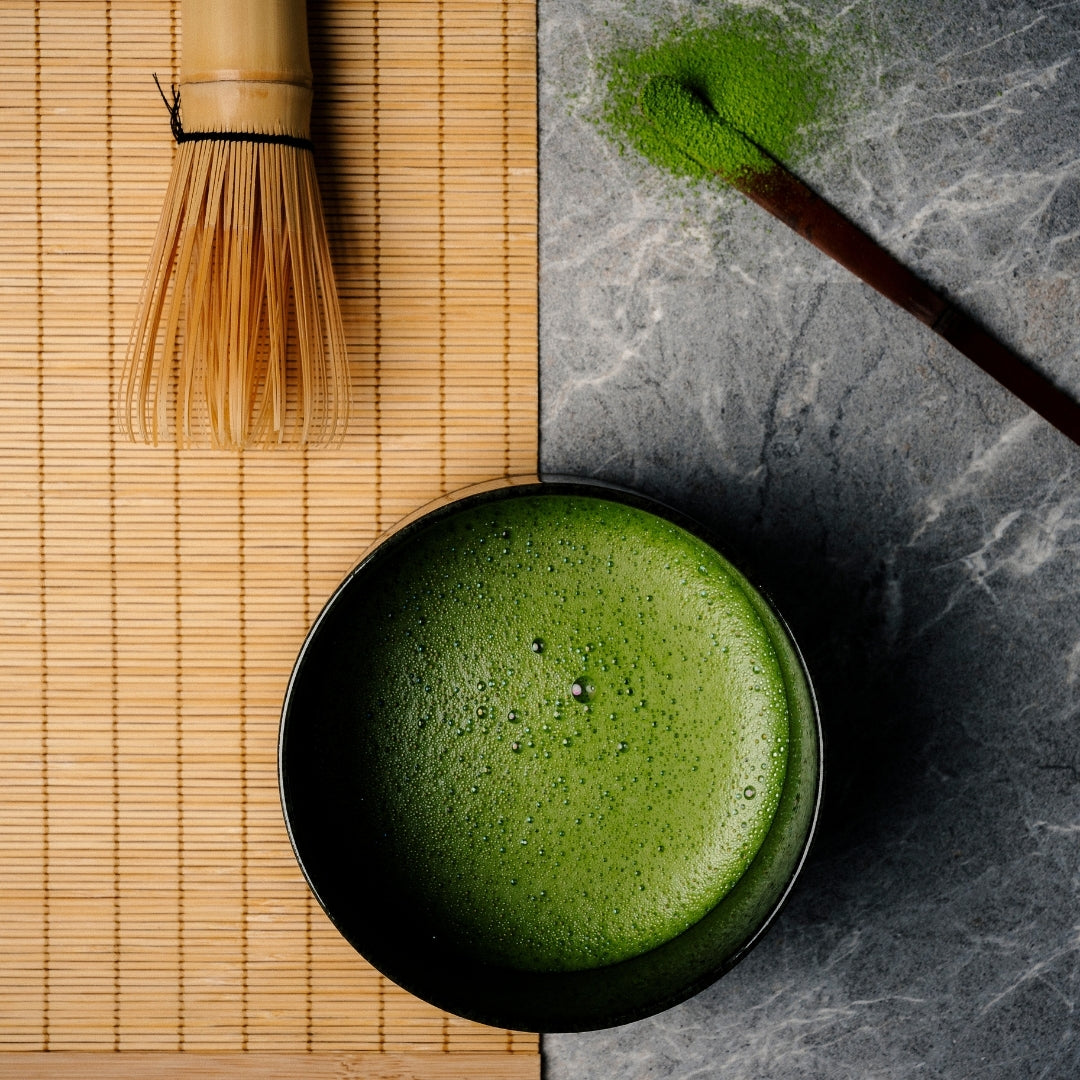
How Are They Prepared?
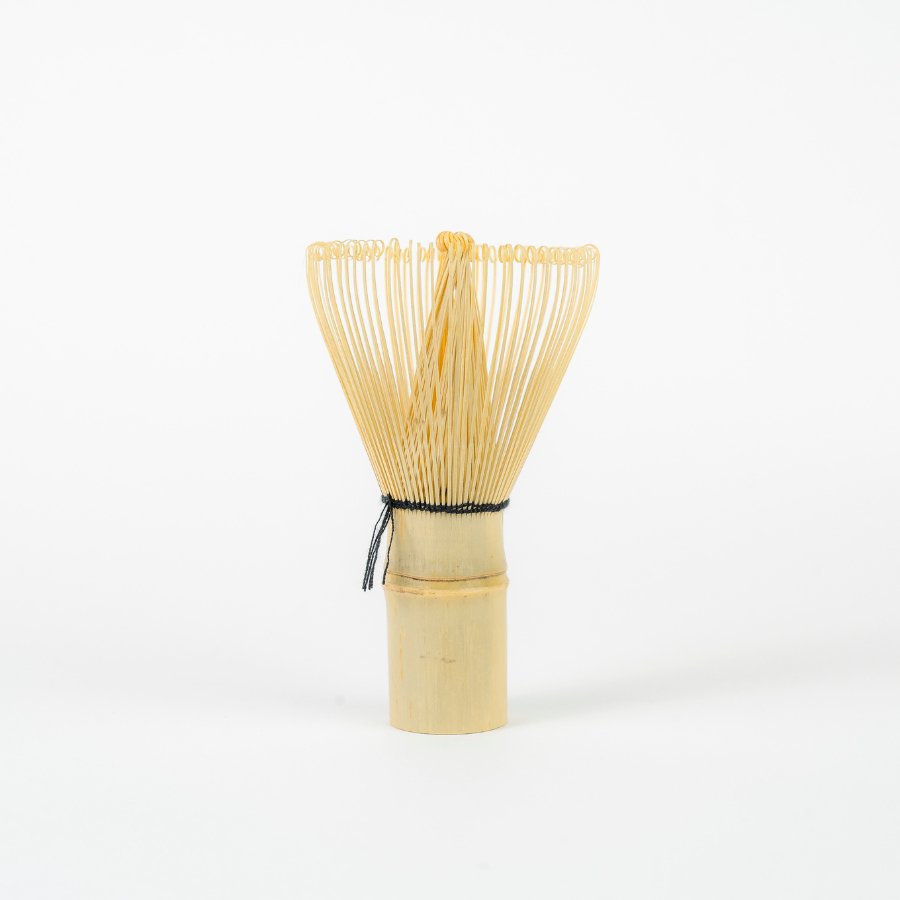
Japanese tea powders are traditionally prepared by whisking the powder with hot water using a bamboo whisk known as a chasen. This method creates a smooth, frothy tea that highlights the richness and depth of the powdered leaves.
Powdered teas are also remarkably versatile. Beyond traditional preparation, they are often used in lattes, desserts, and culinary creations, allowing the distinctive flavors of Japanese tea to be enjoyed in many different forms.
FAQs
How is powdered tea different from loose-leaf tea?
Loose-leaf tea is brewed by infusing the leaves in hot water and then removing them, while powdered tea is whisked directly into water. This means that when drinking powdered tea, the entire tea leaf is consumed, resulting in a richer texture and more concentrated flavor.
What is the difference between matcha and other tea powders?
Matcha is the most well-known Japanese tea powder and is traditionally used in Japanese tea ceremonies. It is produced from shaded tea leaves that are ground into a fine powder. Other tea powders, such as hojicha powder, are made from roasted leaves and offer a different flavor profile
Do I need special tools to prepare powdered tea?
Traditional preparation uses a bamboo whisk called a chasen, which helps create a smooth and frothy texture when mixing the powder with water. However, powdered tea can also be blended or shaken depending on the preparation method.
Can Japanese tea powders be used in cooking?
Yes. Japanese tea powders, especially matcha and hojicha powder, are widely used in culinary applications such as lattes, pastries, ice cream, and desserts. Their intense flavor and vibrant color make them popular ingredients in both traditional and modern recipes.
Does Matcha in particular contain caffeine?
Yes, matcha naturally contains caffeine because it is made from green tea leaves. Since the entire leaf is consumed, matcha often provides a sustained and balanced energy compared to many other beverages.
For a low-caffeine alternative, Hojicha powder is the better option and can be enjoyed during cosy evenings.
Produced & Curated by Mohei Tea
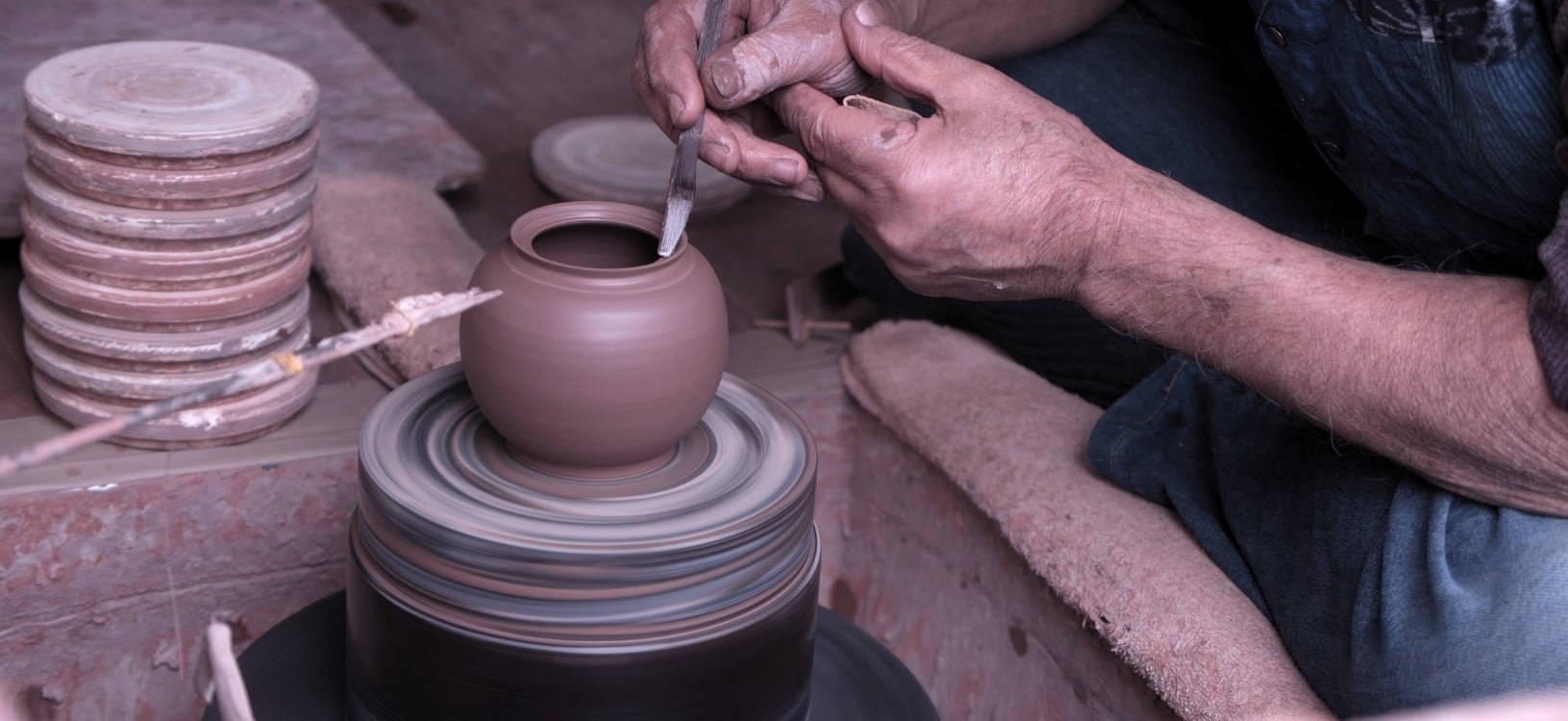
Mohei Tea works directly with dedicated producers across Japan to curate teas that reflect the craftsmanship, terroir, and traditions of Japanese tea culture. In a time when many local farmers face increasing pressure and uncertainty, our mission is to help them thrive by bringing their work to tea lovers around the world. Through careful selection led by Tea Master Mohei, we commit to offering only exceptional teas that embody the highest standards of quality and authenticity.