


First Flush
Production
Per Serving

Type

Cultivar

Process
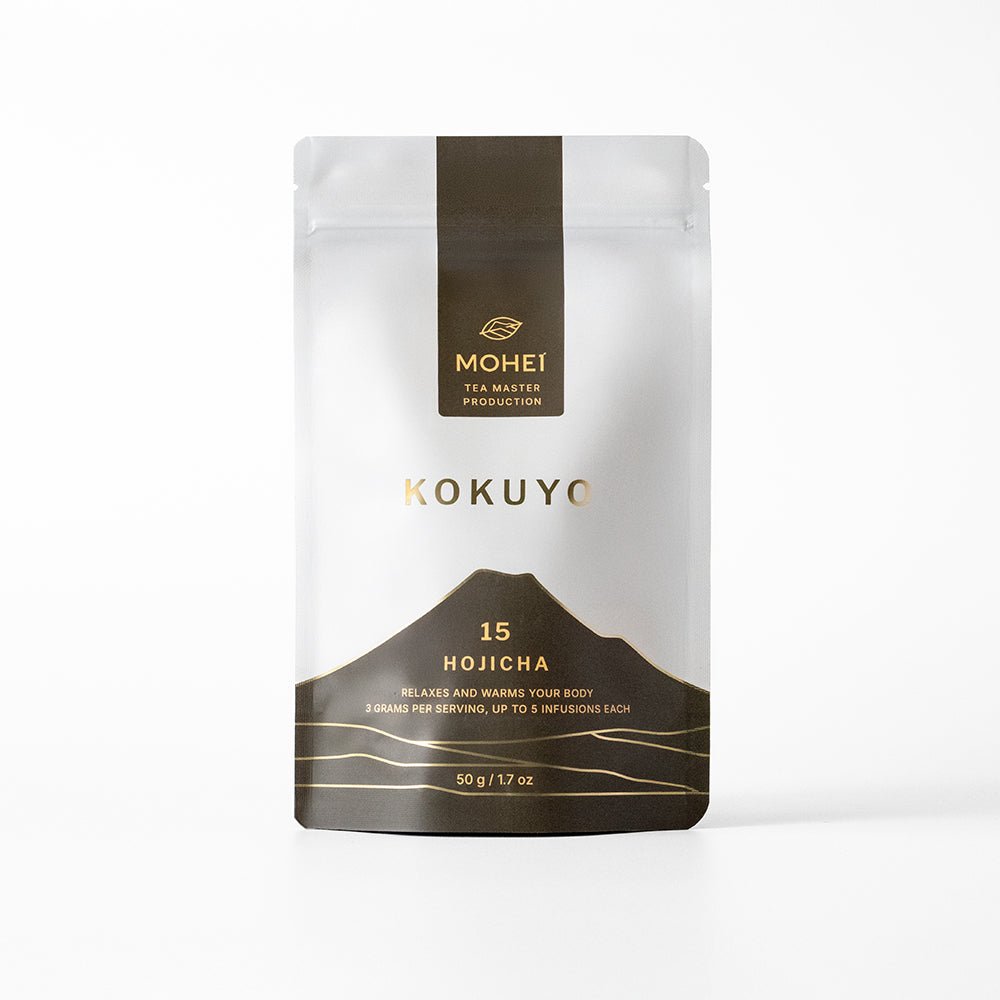
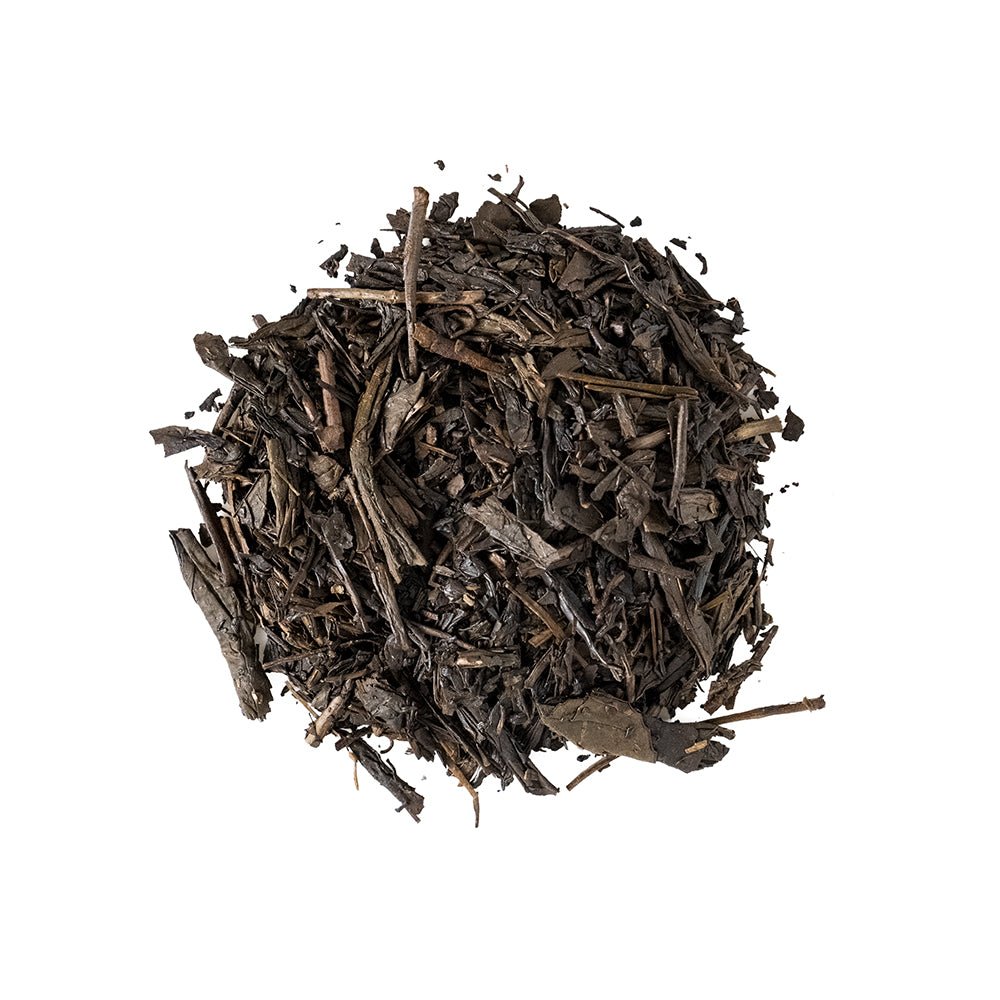
First Flush
Production
Per Serving
Type
Cultivar
Process
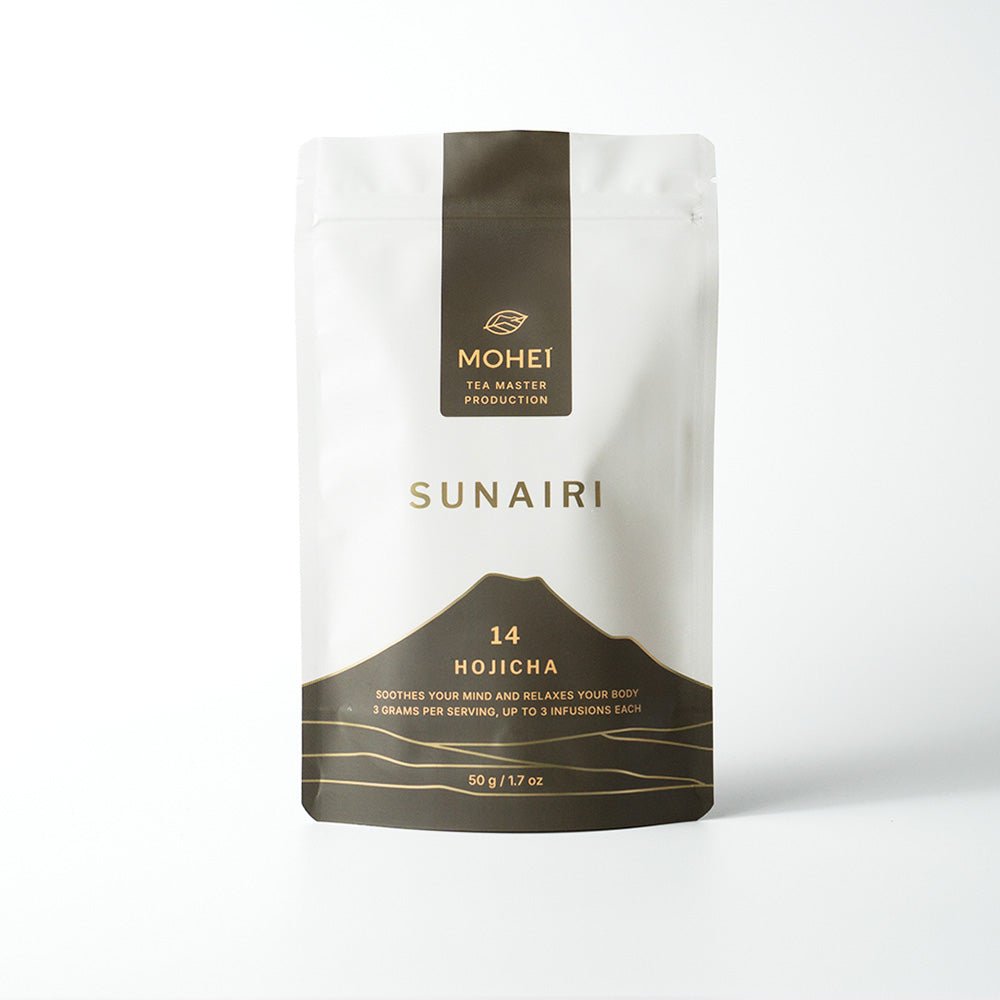
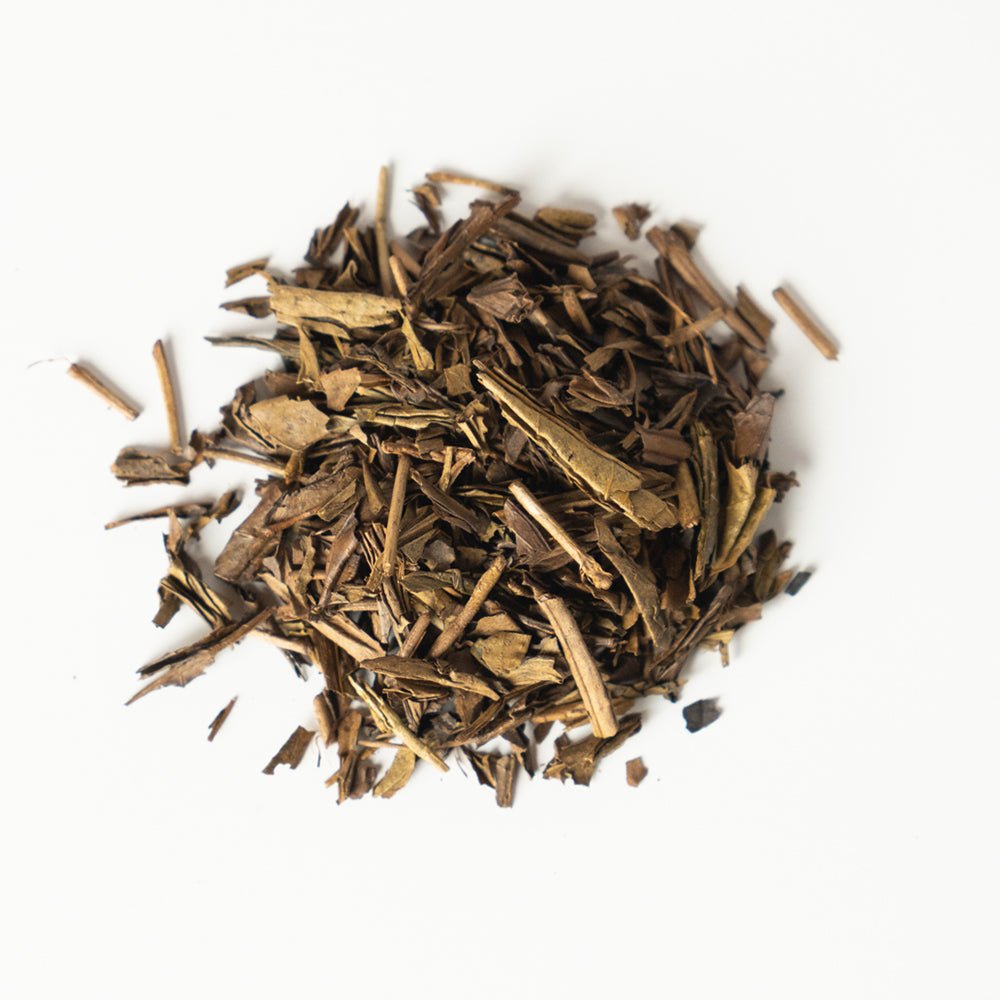
First Flush
Type
Process
Production
Made in
First Flush
Production
Per Serving
Type
Cultivar
Process
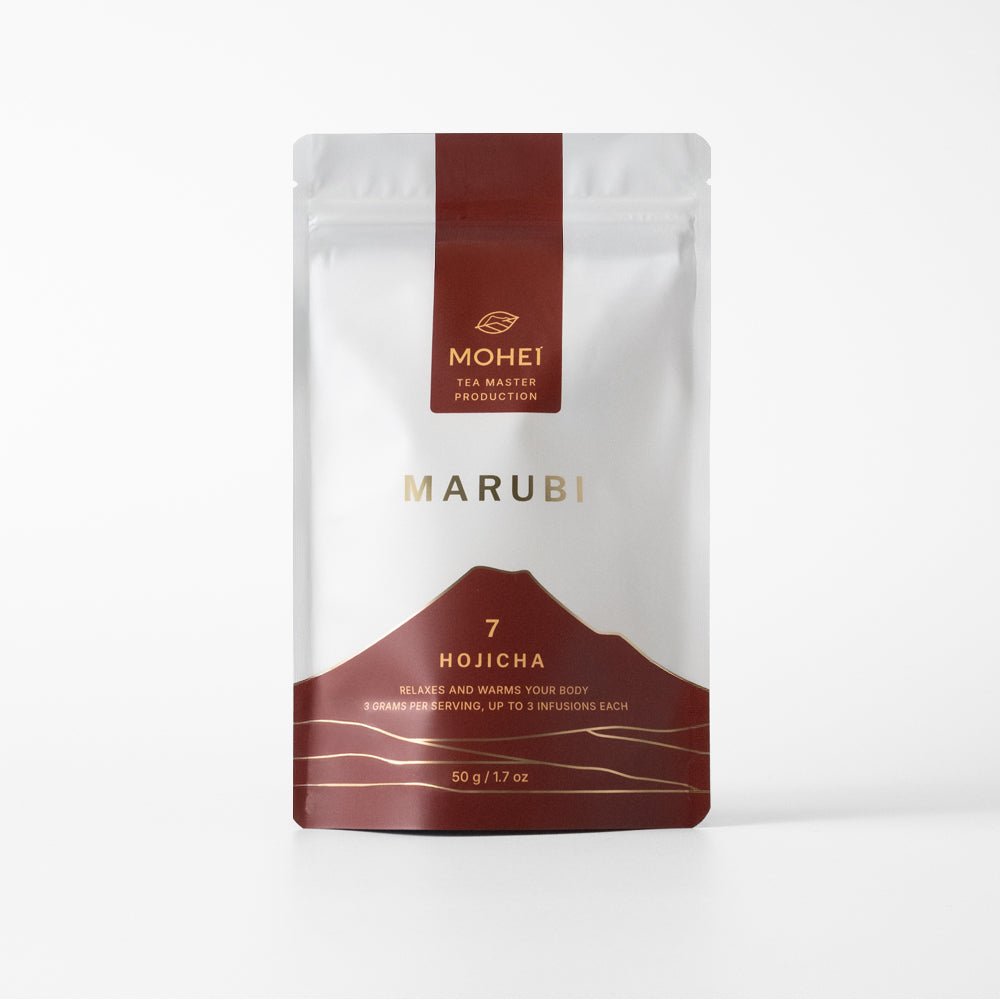
What is Hojicha?
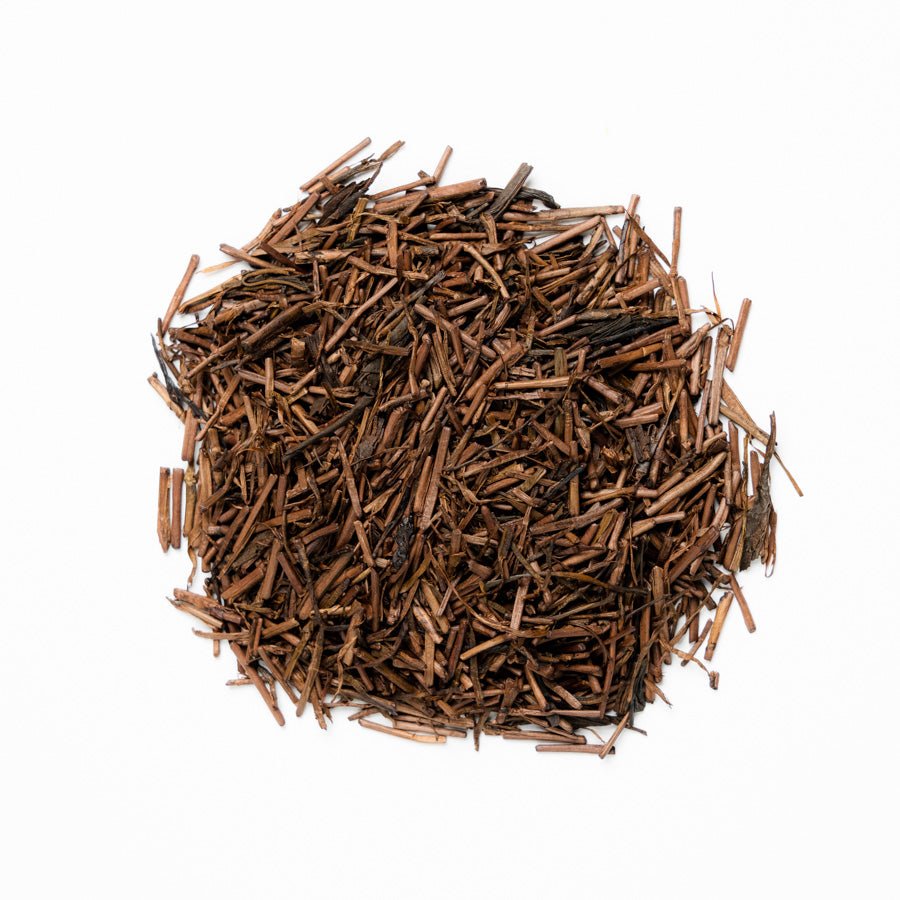
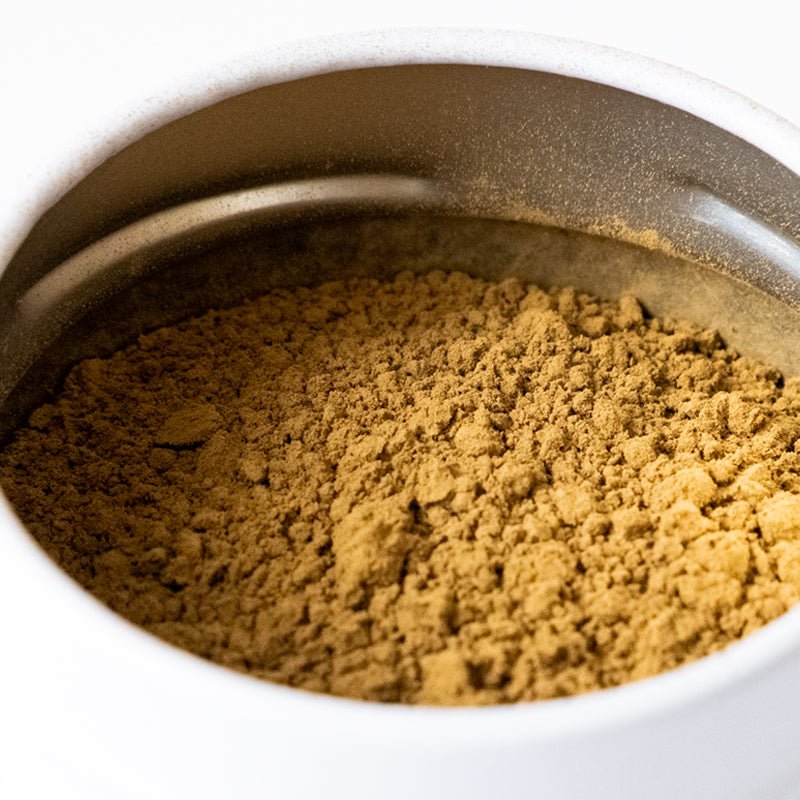
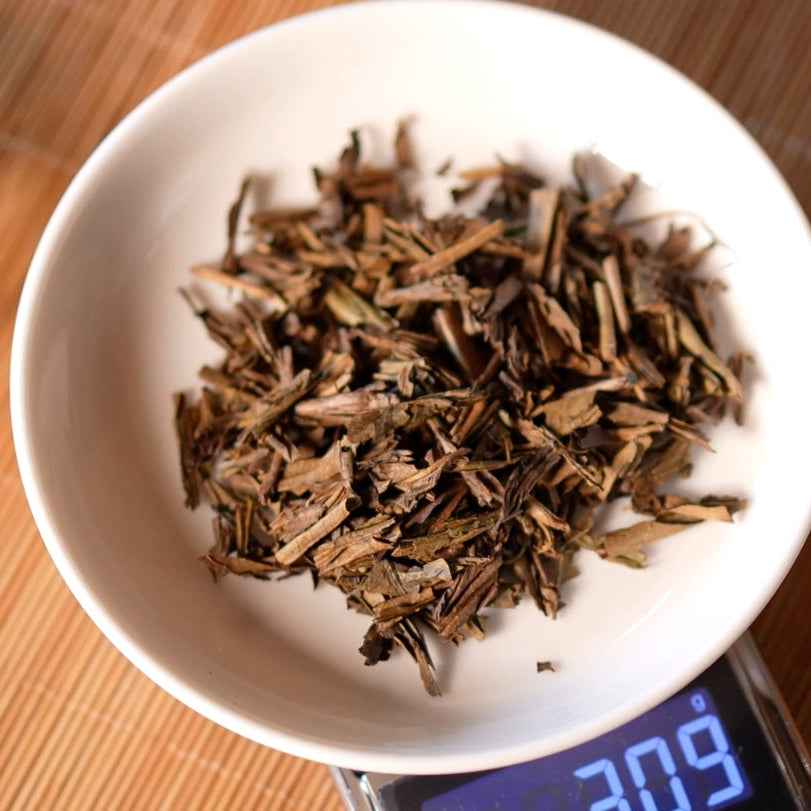
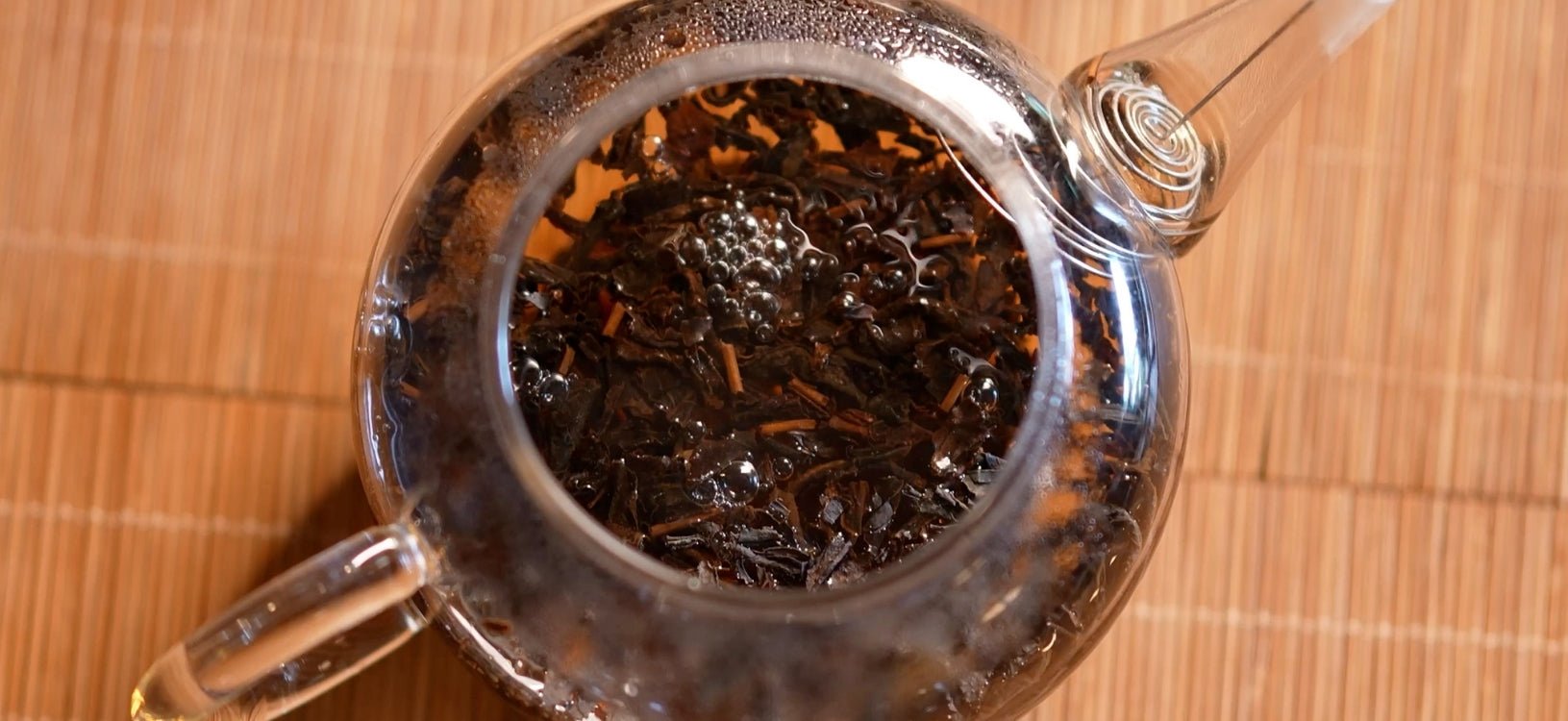
Hojicha is a traditional Japanese tea made by roasting green tea leaves at high temperature. This roasting process transforms the color of the leaves from green to deep brown while developing the tea’s signature warm and toasty aroma.
Unlike many Japanese green teas that highlight fresh vegetal notes, hojicha is appreciated for its comforting character and smooth texture. The roasting also reduces bitterness and lowers the caffeine content, making hojicha an approachable tea that can be enjoyed throughout the day.

How is Hojicha Produced?
Hojicha is produced by roasting tea leaves, stems, or bancha over high heat, traditionally in porcelain or metal roasting drums. During this process, the leaves undergo a transformation that caramelizes their natural sugars and creates the tea’s characteristic roasted fragrance.
The roasting technique requires great precision, as the producer must balance heat and timing to preserve the tea’s sweetness while avoiding excessive bitterness. This careful craftsmanship allows hojicha to develop its distinctive profile of toasted grains, caramel, and warm woody notes.
The Flavor Profile of Hojicha
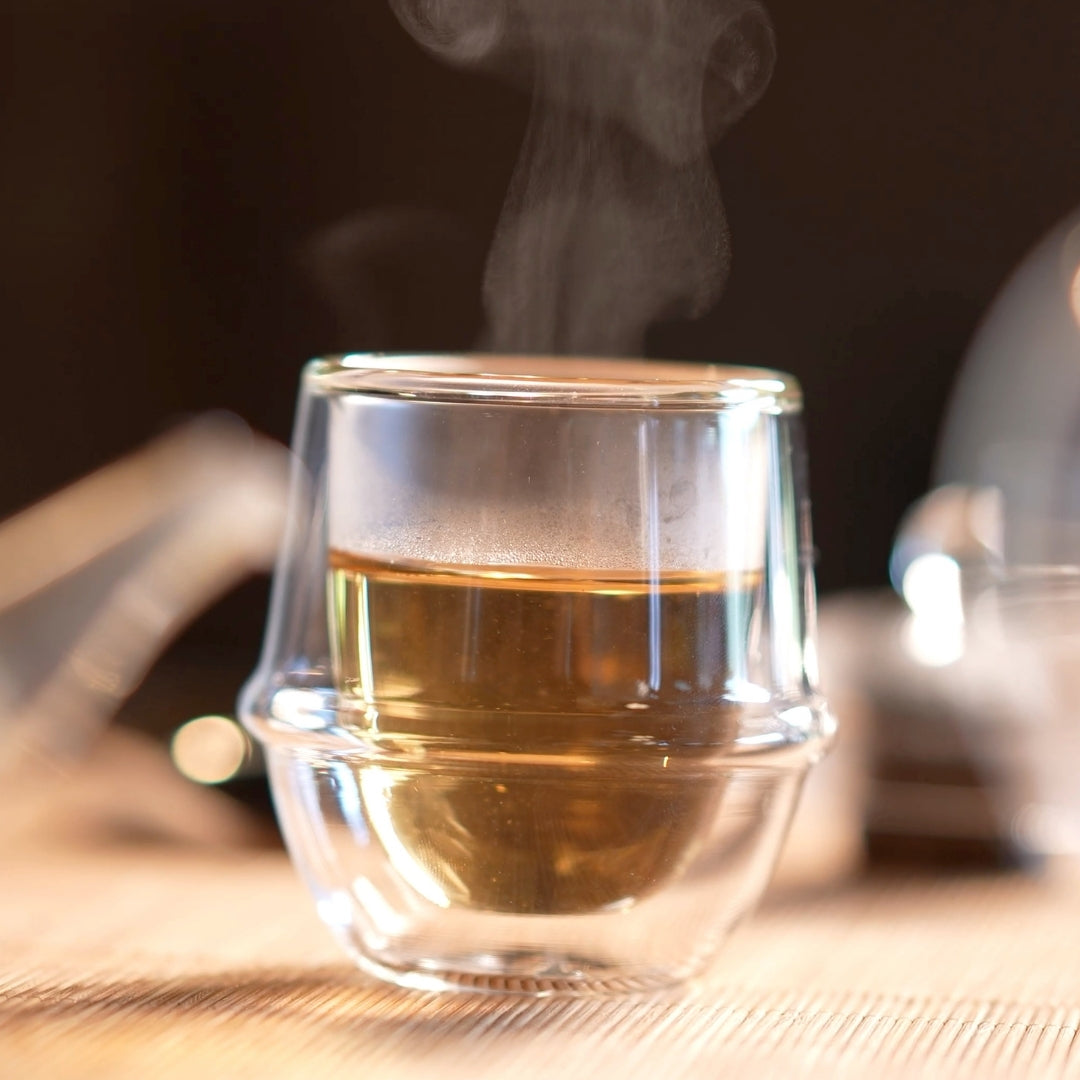
Hojicha is known for its smooth and comforting flavor, with notes often described as toasted grains, caramel, nuts, or gentle woodiness. The roasting process softens the astringency typically associated with green tea, creating a mellow and rounded cup.
Because of its lower caffeine content and soothing character, hojicha is often enjoyed in the evening or after meals. Its warm aroma and balanced taste also make it an excellent pairing with desserts, roasted dishes, and sweet pastries.
FAQs
Where is Hojicha Produced?
Hojicha is produced across several Japanese tea regions, including Kyoto, Shizuoka, and Kagoshima. Each region and producer may use different leaves or roasting techniques, creating subtle variations in flavor and aroma.
Does Hojicha contain caffeine?
Hojicha does contain caffeine, but usually in much lower amounts than many other Japanese teas. Because the roasting process and the use of mature leaves or stems reduce caffeine levels, hojicha is often enjoyed later in the day or in the evening.
Is Hojicha suitable for evening tea?
Yes. Because hojicha generally contains less caffeine than many green teas, it is often enjoyed in the evening or after meals. Its warm aroma and mellow flavor make it particularly relaxing.
How should Hojicha be brewed?
Hojicha is typically brewed with hot water around 90–95°C for about one minute. This quick infusion allows the roasted aromas to develop while maintaining the tea’s smooth and balanced character.
Each page of our Hojicha has a guideline section that explains in detail how to draw the best flavor and aromas.
Produced & Curated by Mohei Tea
Mohei Tea works directly with dedicated producers across Japan to curate teas that reflect the craftsmanship, terroir, and traditions of Japanese tea culture. In a time when many local farmers face increasing pressure and uncertainty, our mission is to help them thrive by bringing their work to tea lovers around the world. Through careful selection led by Tea Master Mohei, we commit to offering only exceptional teas that embody the highest standards of quality and authenticity.