



First Flush
Production
Per Serving

Type

Cultivar

Steam


First Flush
Production
Per Serving
Type
Cultivar
Steam
First Flush
Production
Per Serving
Type
Cultivar
Steam
First Flush
Production
Per Serving
Type
Cultivar
Steam
First Flush
Production
Per Serving
Type
First Flush
Production
Per Serving
Type
Cultivar
Steam
First Flush
Production
Per Serving
Type
Steam
First Flush
Type
Steam
Production
Made in
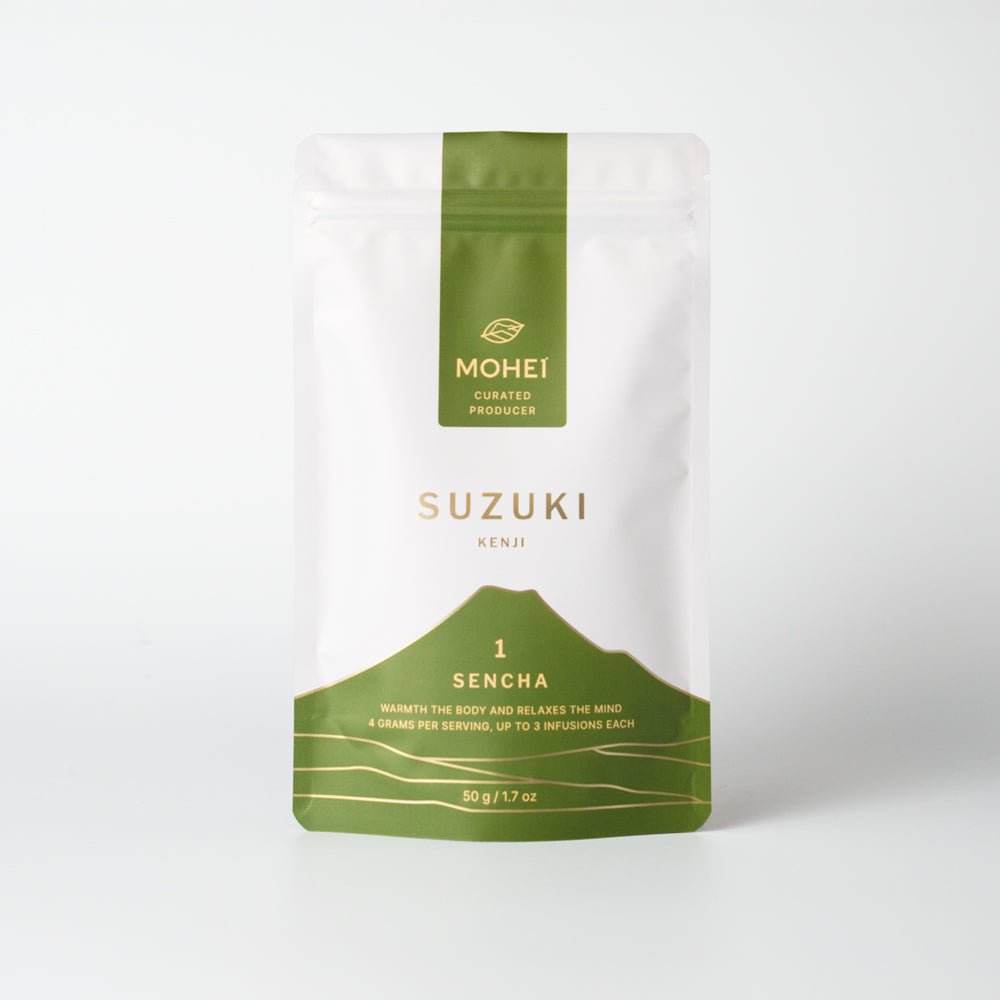
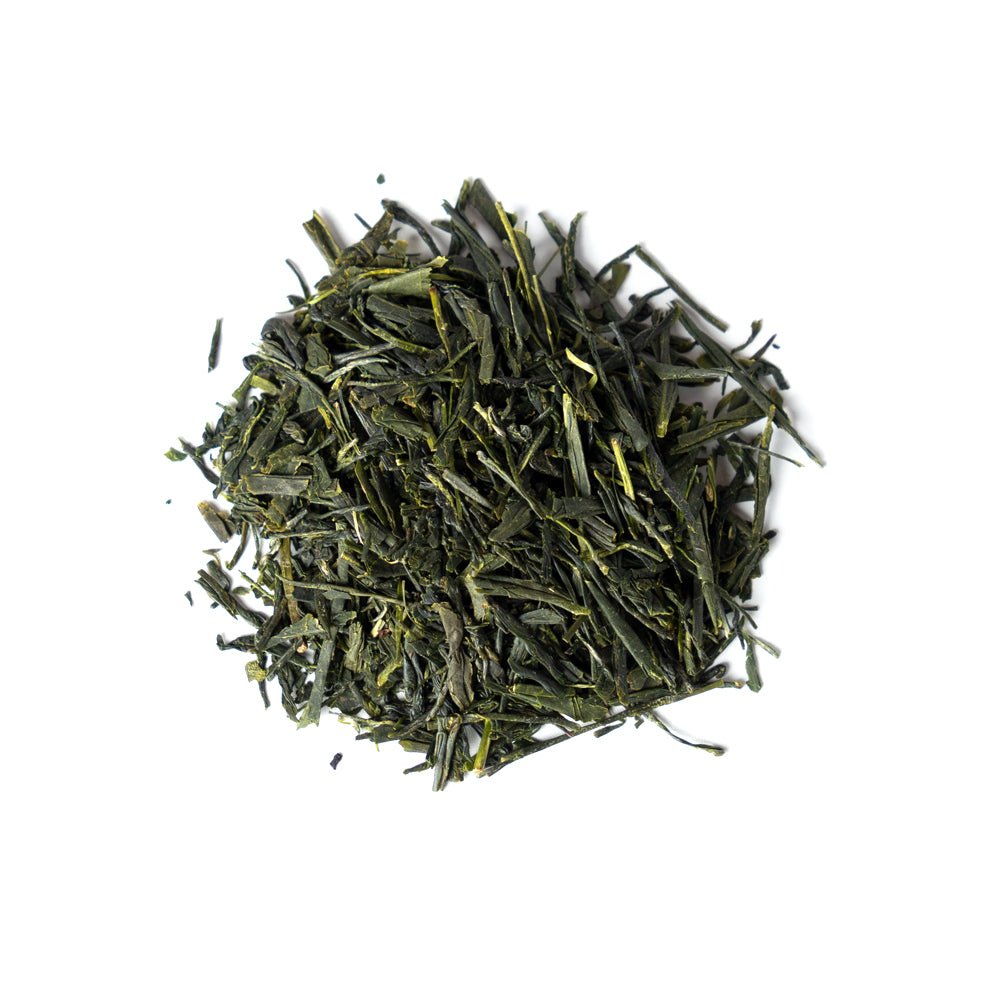
First Flush
Made in
Steam
Type
Production
Per Serving
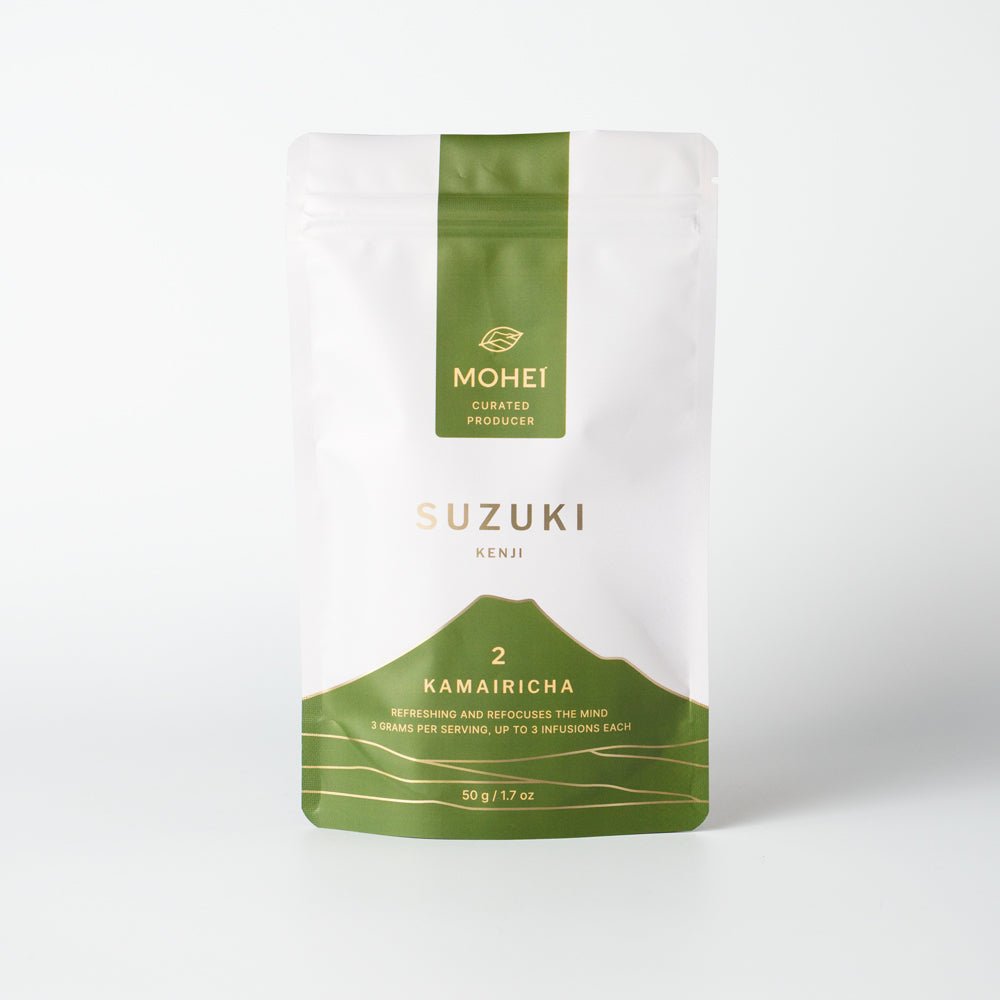
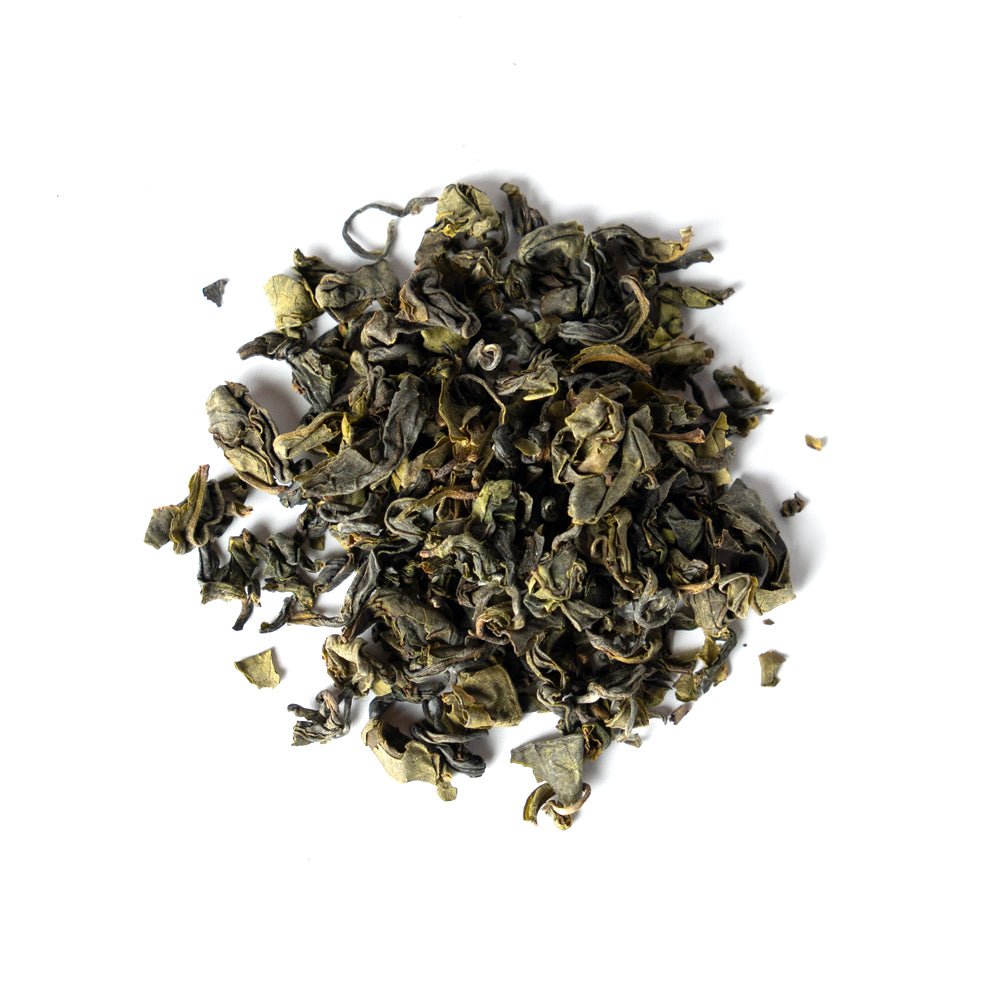
First Flush
Type
Made in
Production
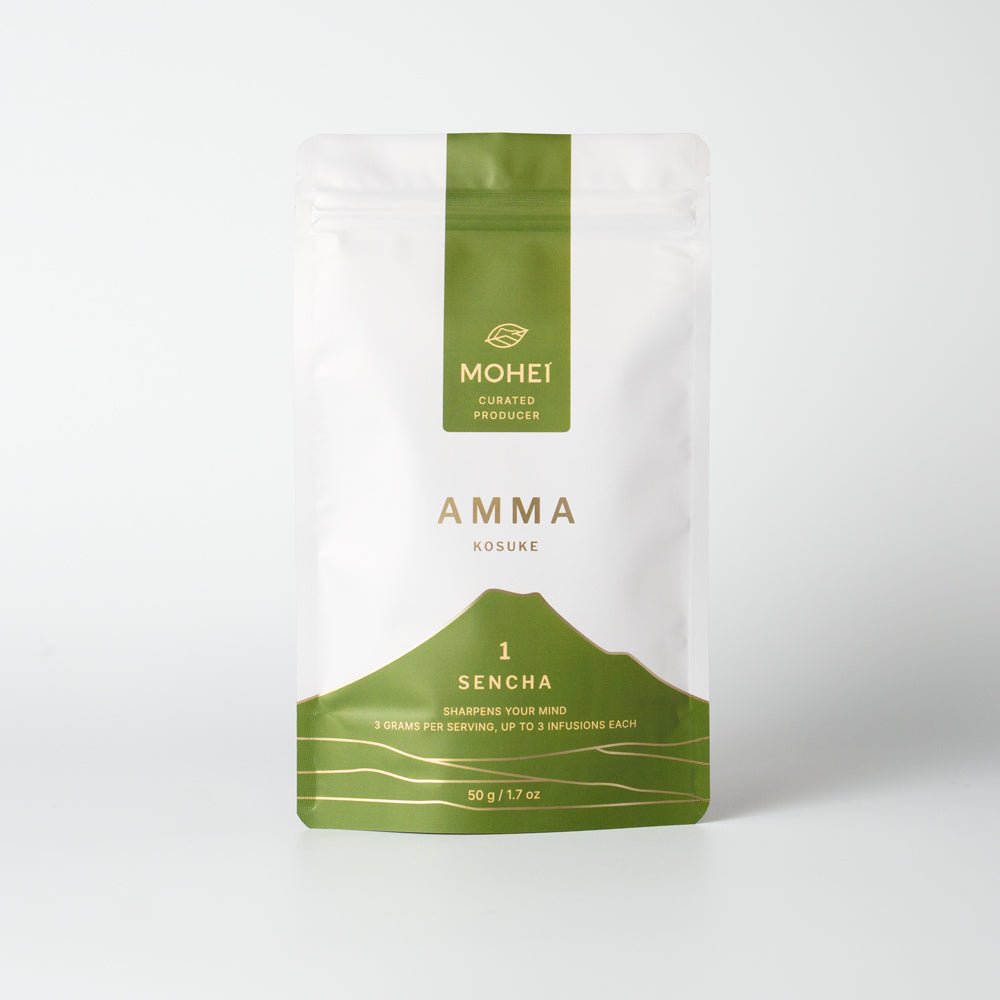
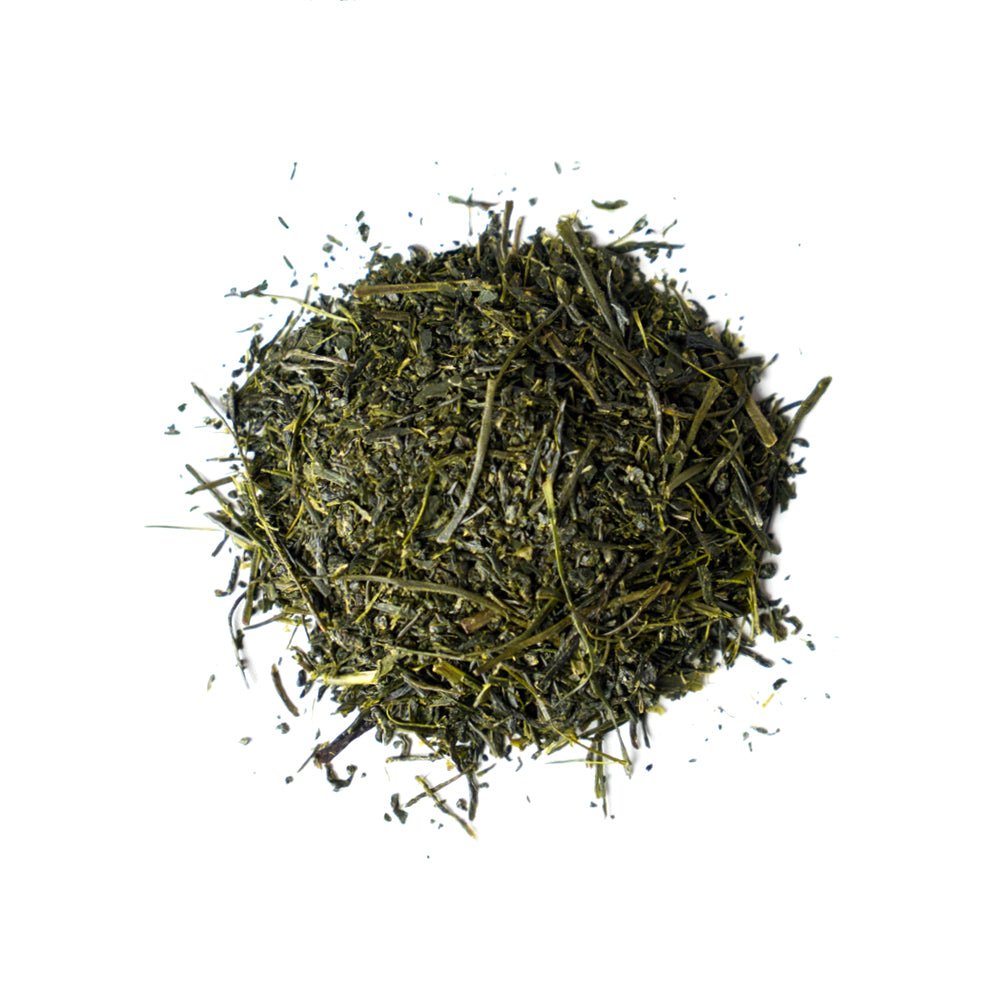
First Flush
Type
Steam
Production
Made in
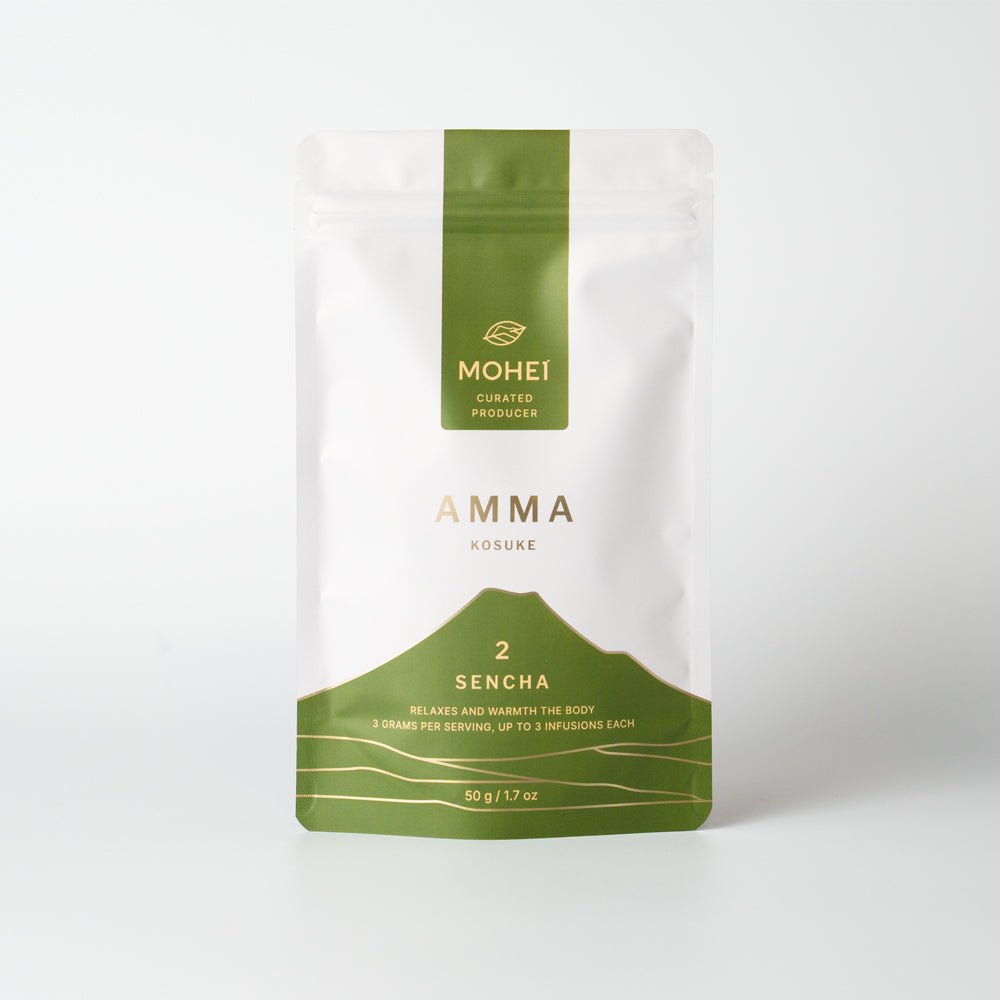
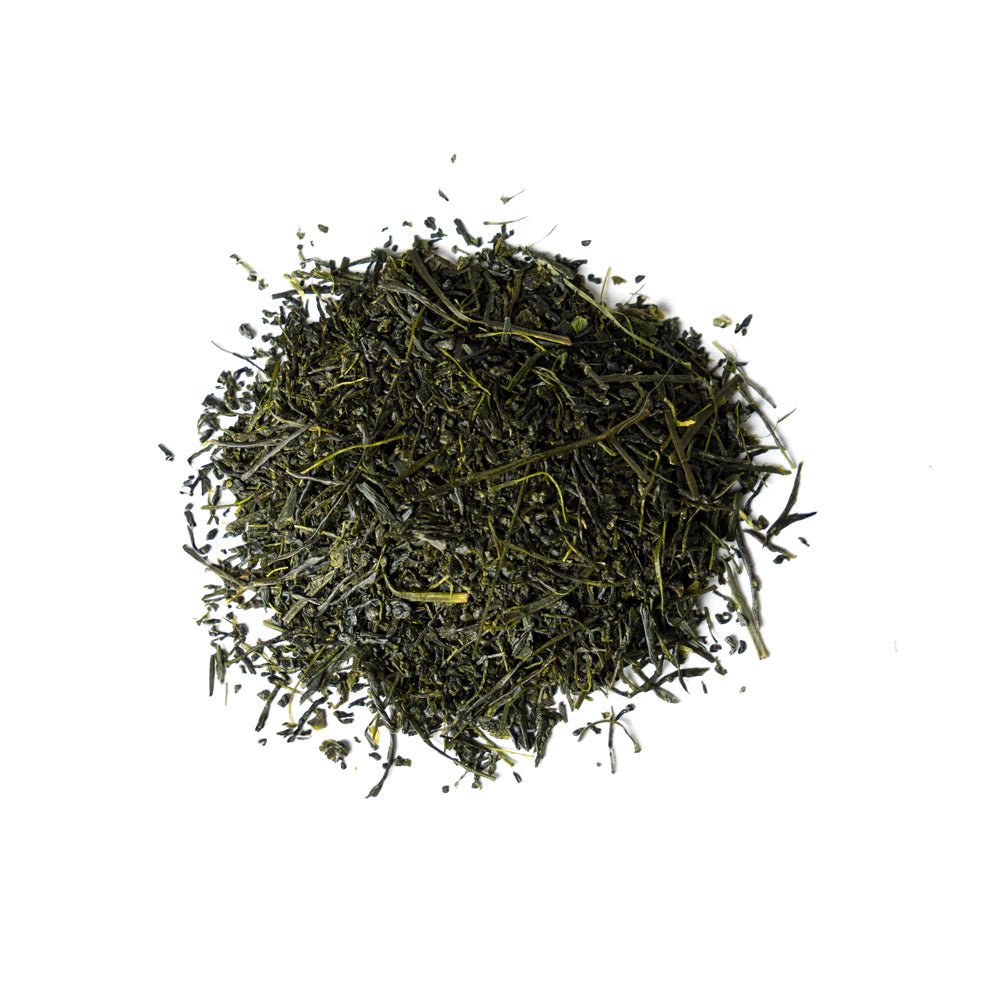
First Flush
Type
Steam
Production
Made in
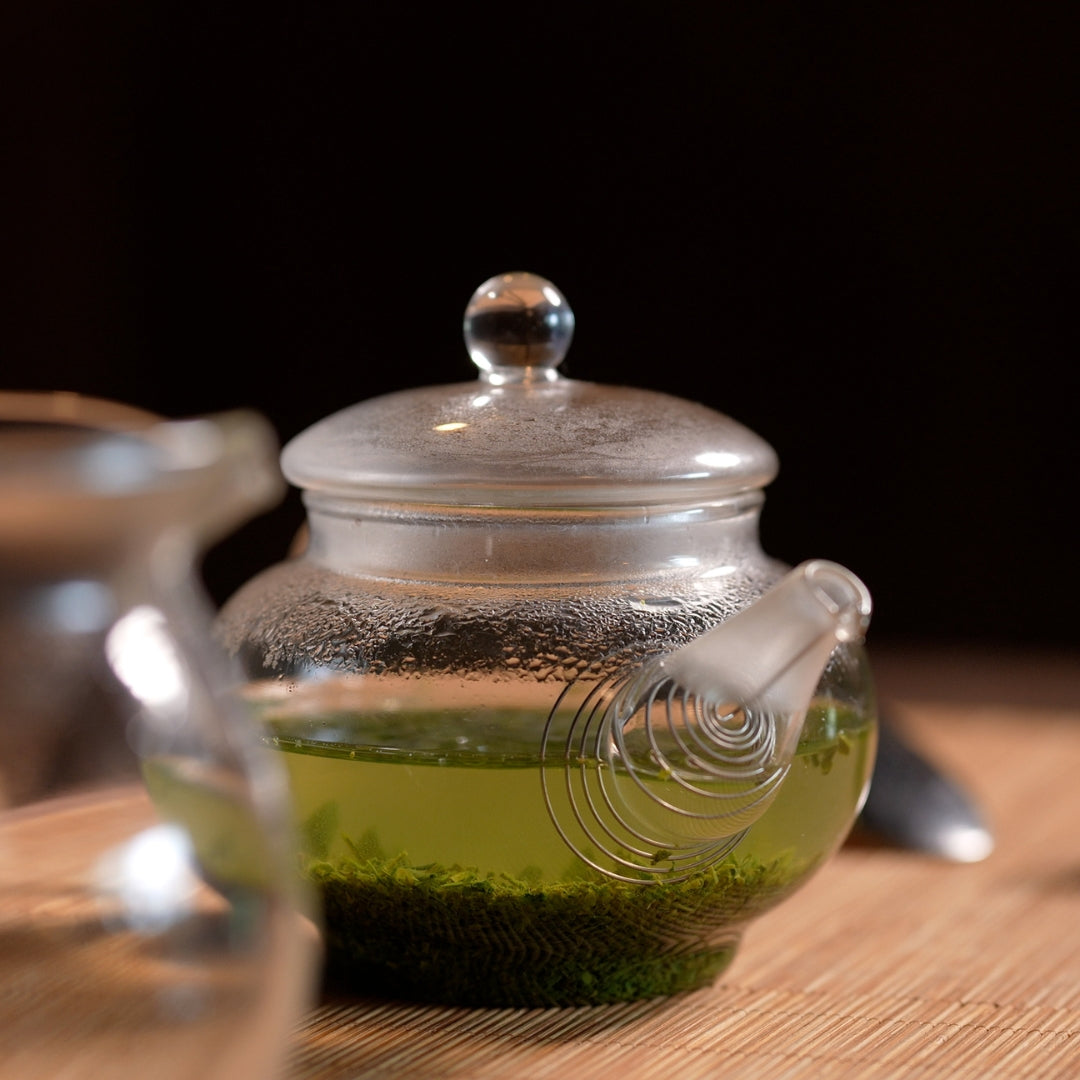
What is Sencha?
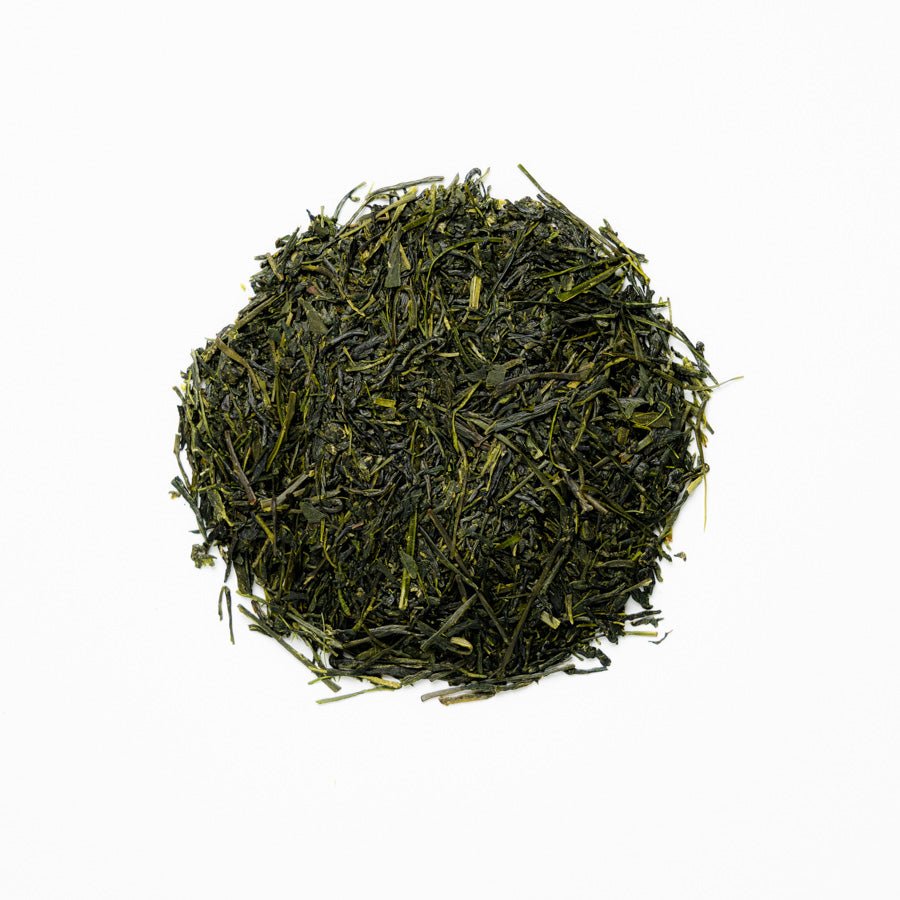
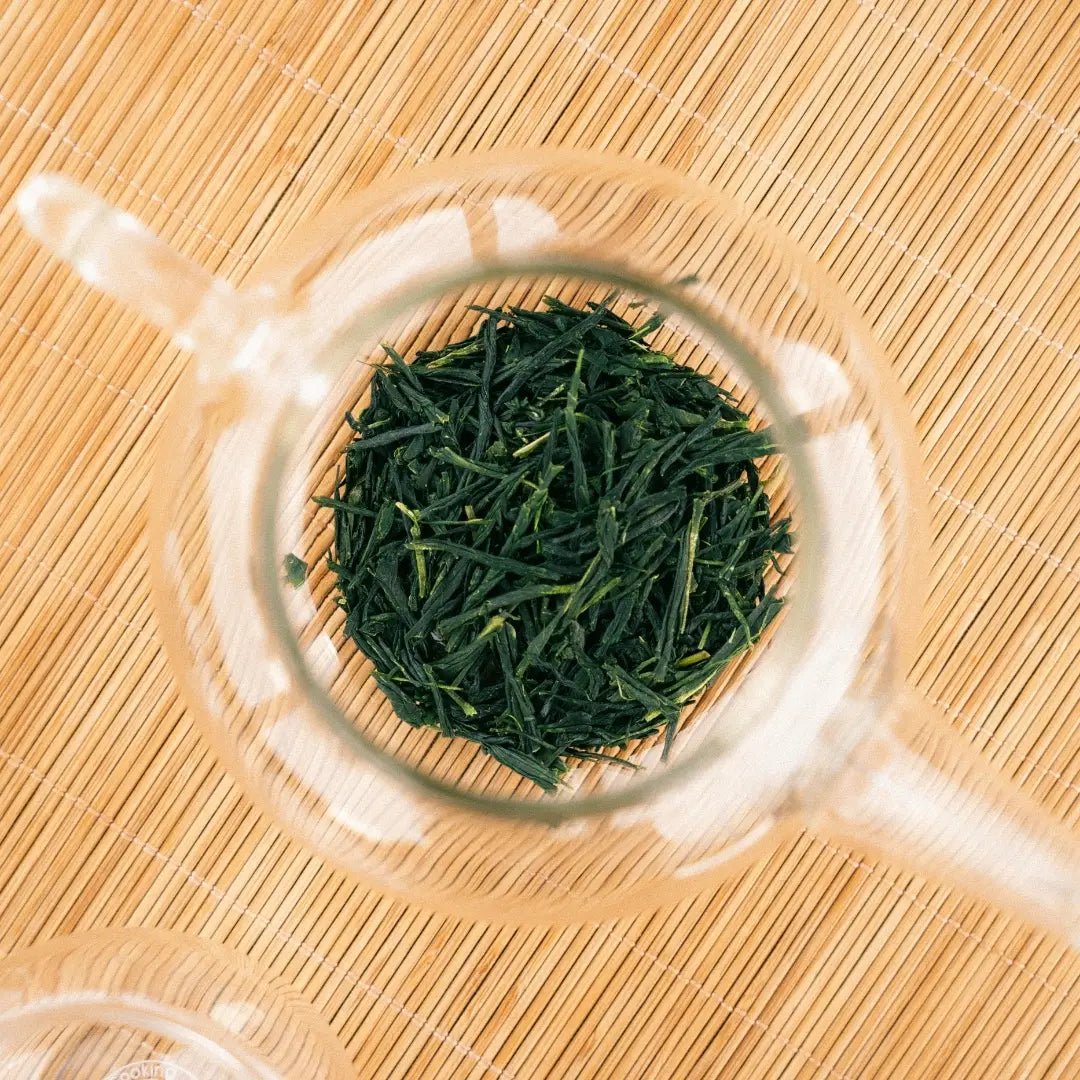
Sencha is the most widely produced and consumed tea in Japan, representing nearly 70% of the country’s tea production. Unlike shaded teas such as Gyokuro or Matcha, Sencha is typically grown in full sunlight, which gives it a bright, fresh character with vegetal and slightly marine notes.
Depending on the region, cultivar, and steaming time, Sencha can develop a wide range of flavor profiles, from light and grassy to deep and umami-rich.
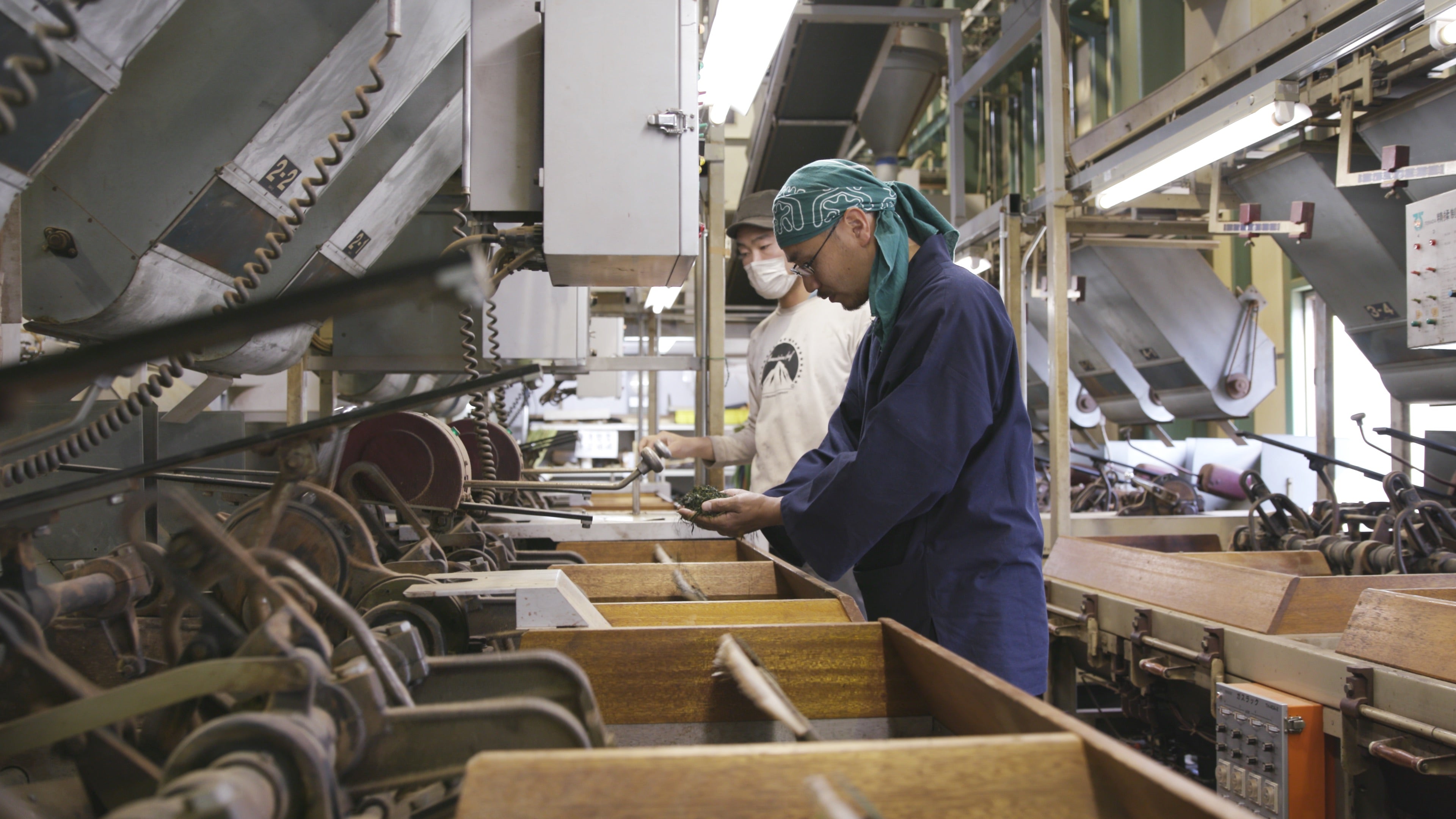
How is Sencha Produced?
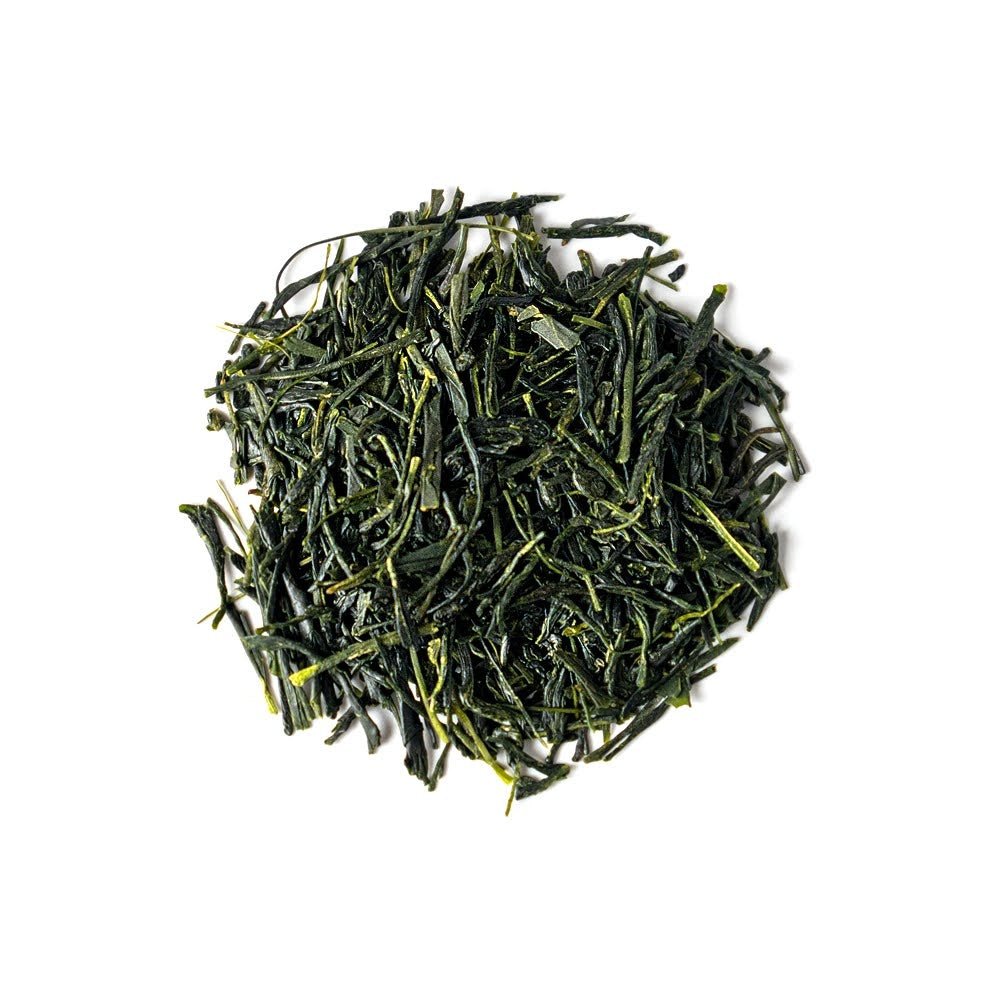
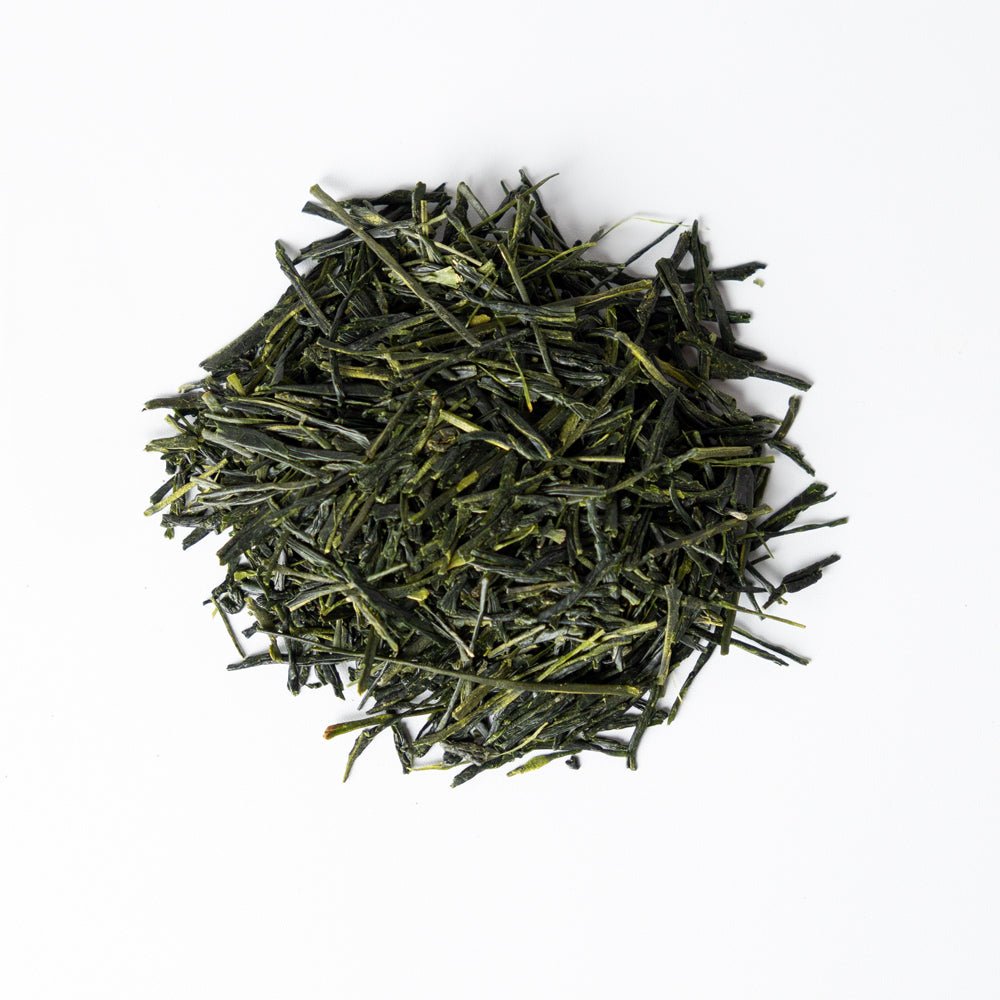
Sencha is produced through a process designed to preserve the freshness of the tea leaves. After harvesting, the leaves are quickly steamed to stop oxidation, a technique that distinguishes Japanese green tea from Chinese green teas.
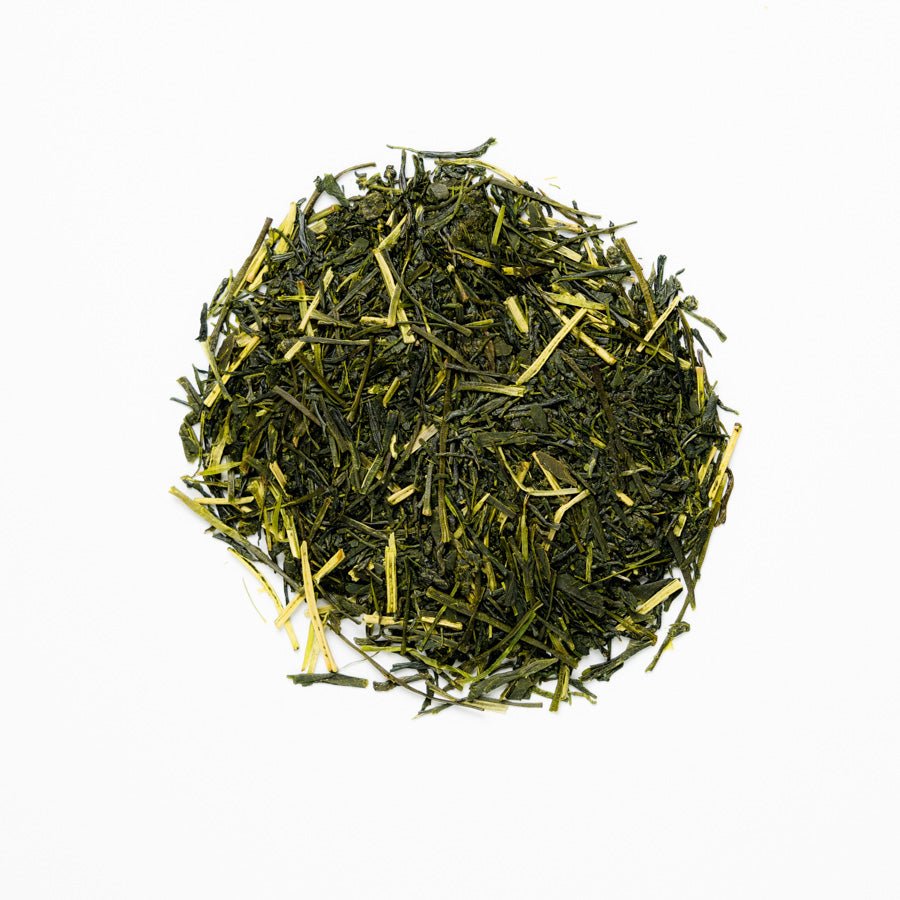
The leaves are then rolled in multiple stages to shape them into thin needles while helping release their natural juices. Finally, the leaves are dried to stabilize the tea and concentrate its aromas.
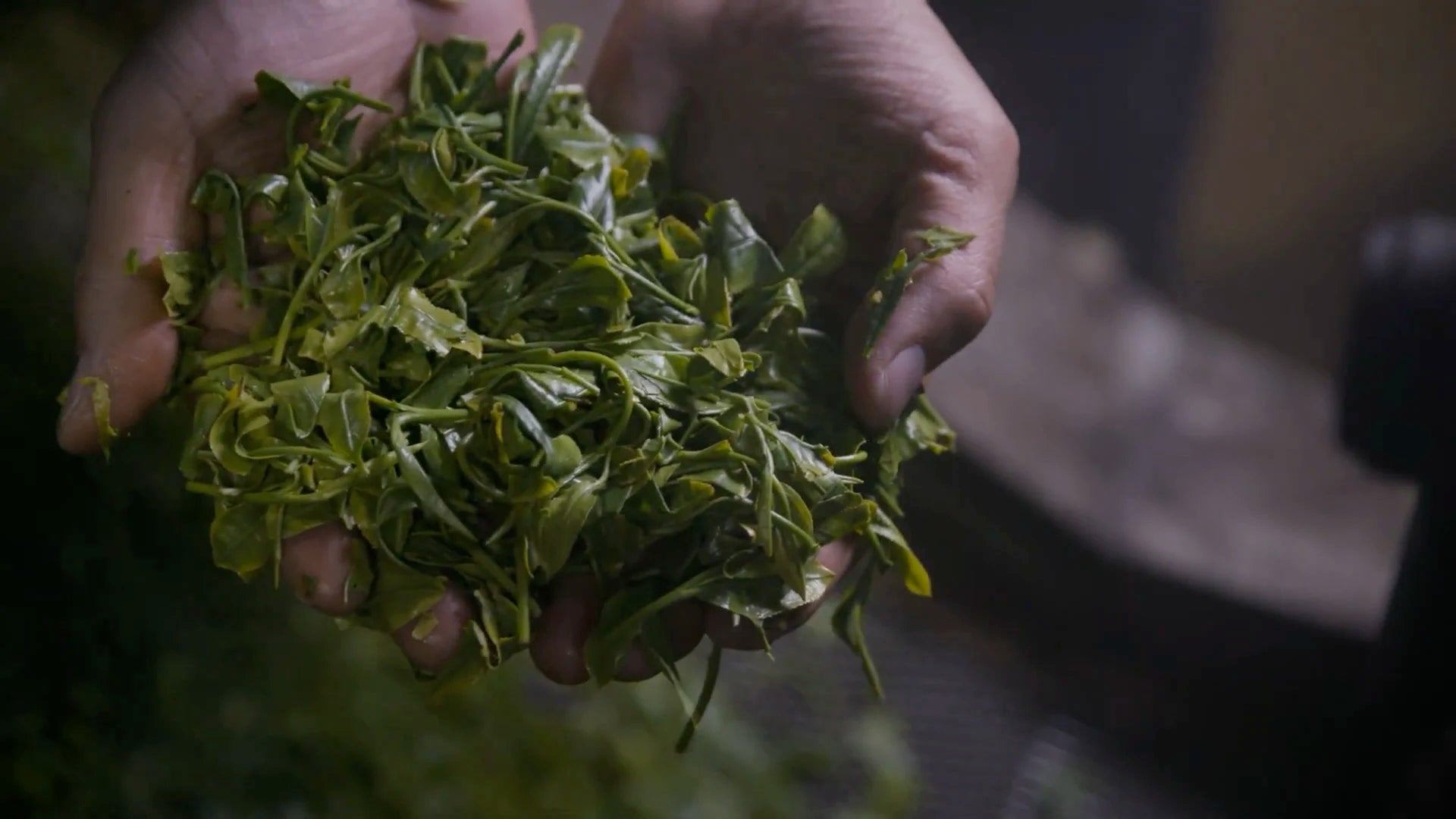
Sencha Steaming Types
The character of Sencha is also shaped by how long the leaves are steamed.
- Asamushi (light steaming) preserves the leaf structure and produces a clear infusion with bright aromas and a crisp, refreshing astringency.
- Chumushi (medium steaming) offers a balance between clarity and body, creating a rounder cup with harmonious sweetness and vegetal notes.
- Fukamushi (deep steaming) softens the leaves further, resulting in a richer liquor, deeper color, and a smoother, fuller texture with reduced astringency.
FAQs
Where in Japan is your Sencha grown?
Our Sencha is grown in Japan’s most respected tea-producing region, Shizuoka, also known for its ideal climate and fertile soil.
Each tea is either produced by Honda Mohei, in our fields, or curated in collaboration with dedicated local tea masters, ensuring that every Sencha reflects both the character of its region and the craftsmanship of the farmer who produced it.
Is Sencha high in caffeine?
Sencha contains a moderate amount of caffeine; generally less than coffee but enough to provide a gentle and sustained boost of energy. The caffeine level varies depending on the harvest season and the maturity of the leaves, with early spring Sencha typically containing more caffeine than later harvests.
Who produces the Sencha offered by Mohei Tea?
Our Sencha are crafted by independent Japanese tea masters and farmers, many of whom come from families that have cultivated tea for generations. Each tea is carefully selected by Tea Master Mohei to represent the unique terroirs and craftsmanship of Japan’s most respected tea-growing regions.
What does Sencha taste like?
Sencha is known for its refreshing balance of vegetal freshness, natural sweetness, and pleasant astringency. Depending on the terroir and steaming process, the flavor can range from bright and crisp to rounder and more umami-rich, often accompanied by aromas reminiscent of fresh grass, sea breeze, or steamed greens.
How should I brew Sencha for the best flavor?
Sencha is typically brewed with water between 70–80°C (158–176°F) for about 45–60 seconds. Using cooler water highlights sweetness and umami, while hotter water emphasizes freshness and astringency. High-quality Sencha can usually be infused two to three times, revealing new layers of flavor with each steep. You can find precise brewing guidelines in each of our tea page.
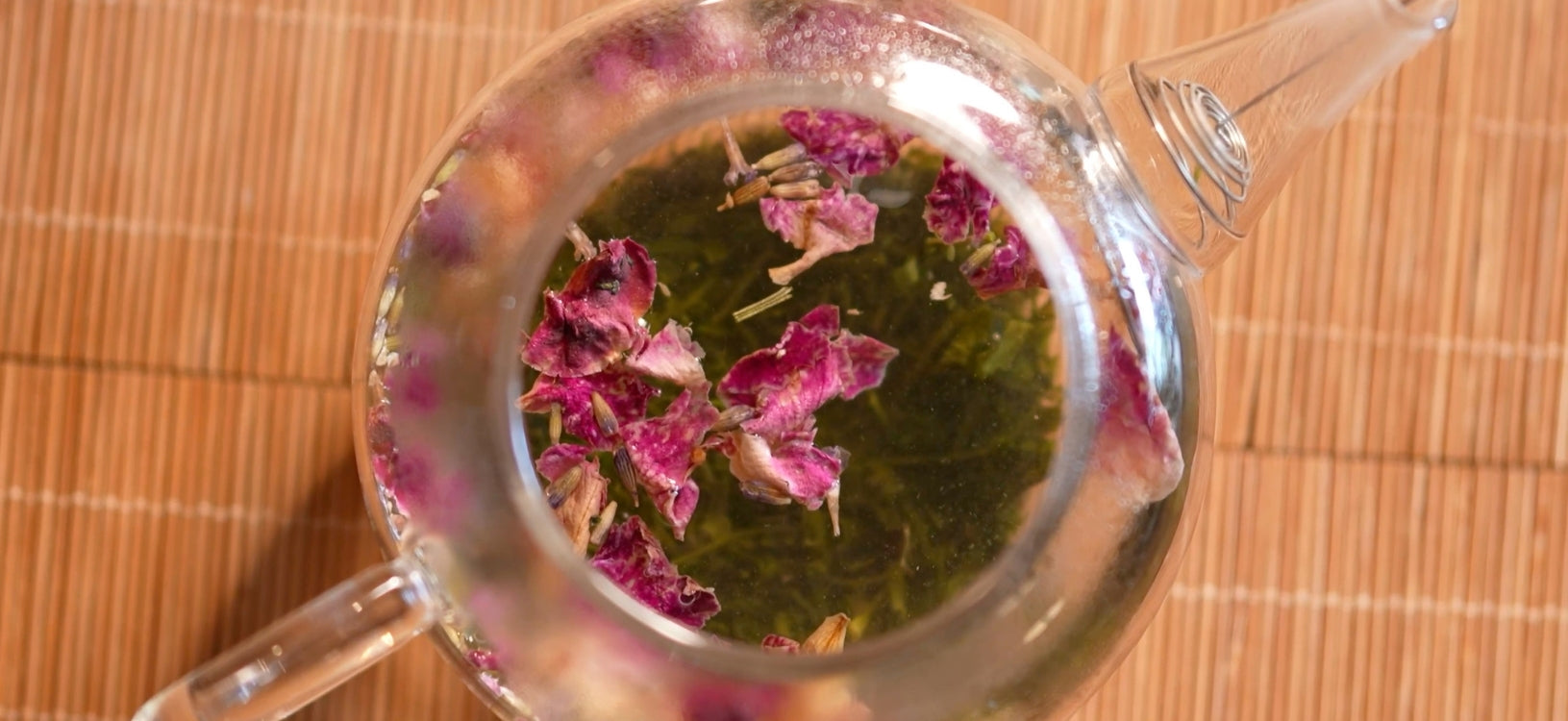
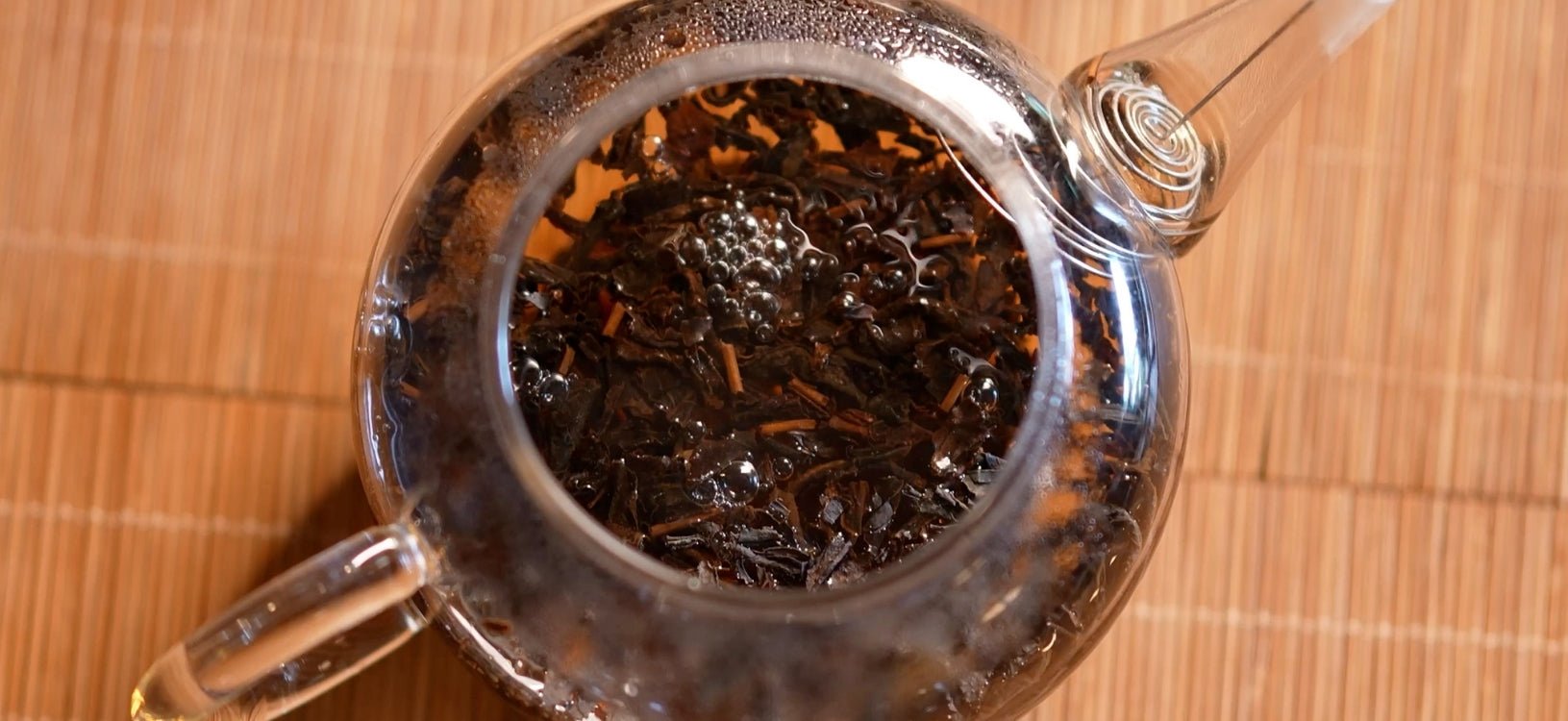
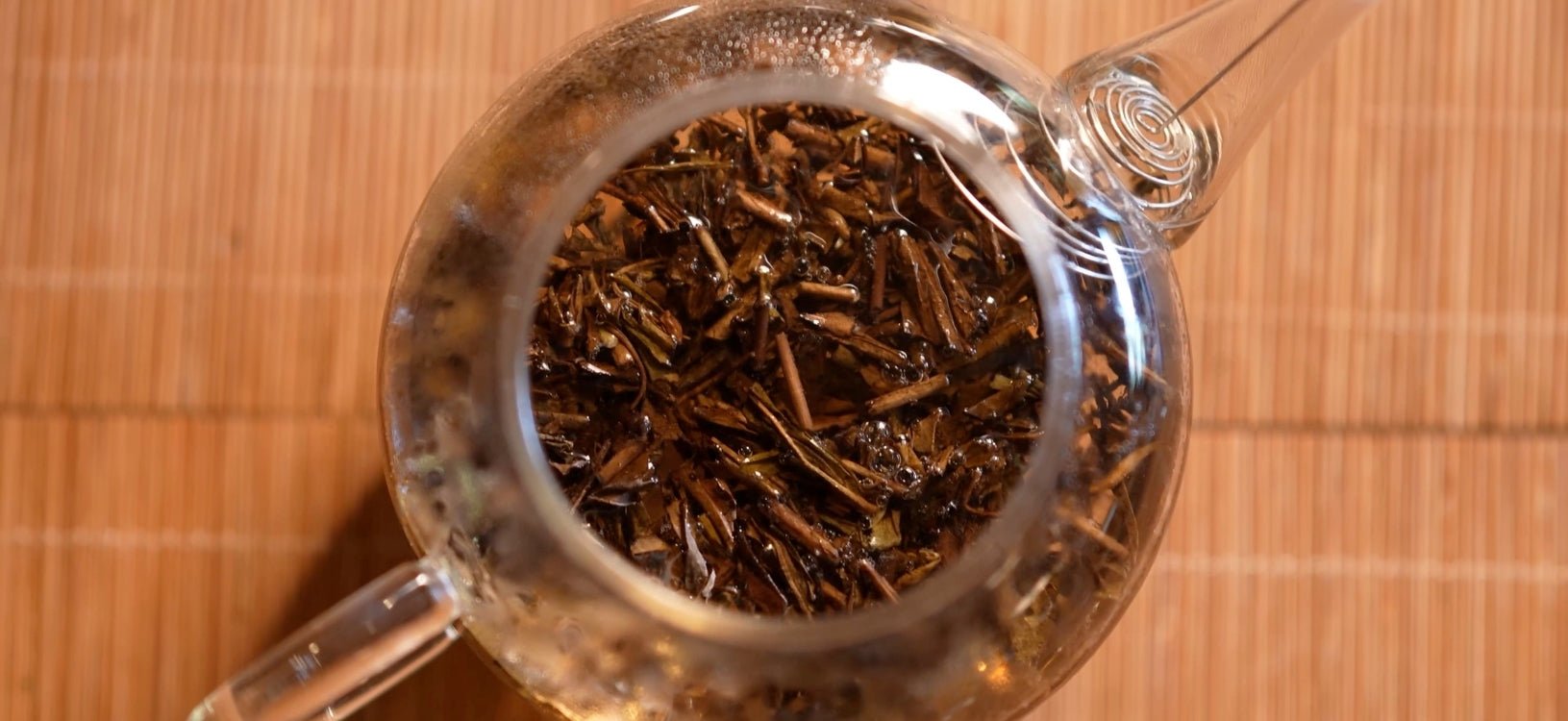
Produced & Curated by Mohei Tea
Mohei Tea works directly with dedicated producers across Japan to curate teas that reflect the craftsmanship, terroir, and traditions of Japanese tea culture. In a time when many local farmers face increasing pressure and uncertainty, our mission is to help them thrive by bringing their work to tea lovers around the world. Through careful selection led by Tea Master Mohei, we commit to offering only exceptional teas that embody the highest standards of quality and authenticity.