

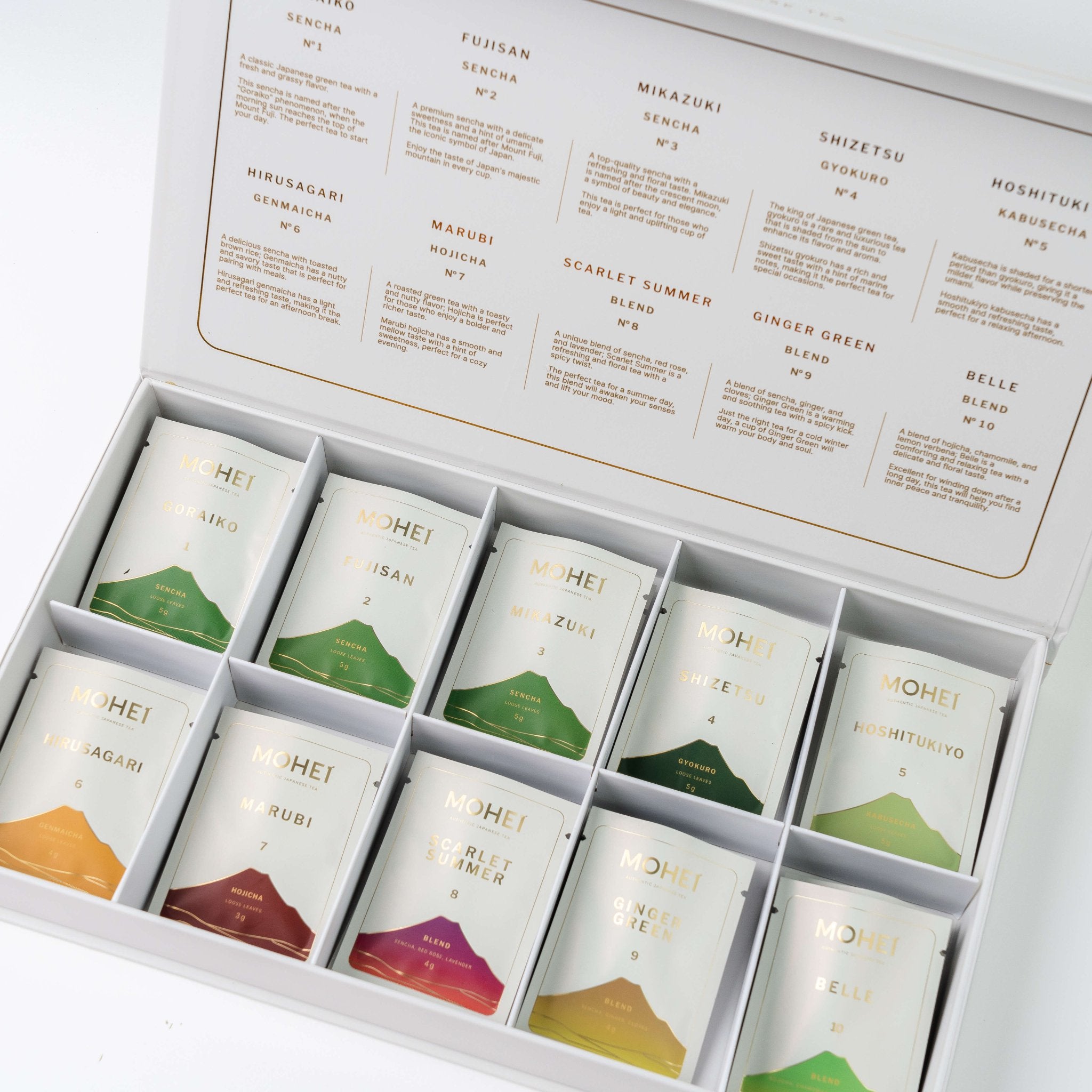
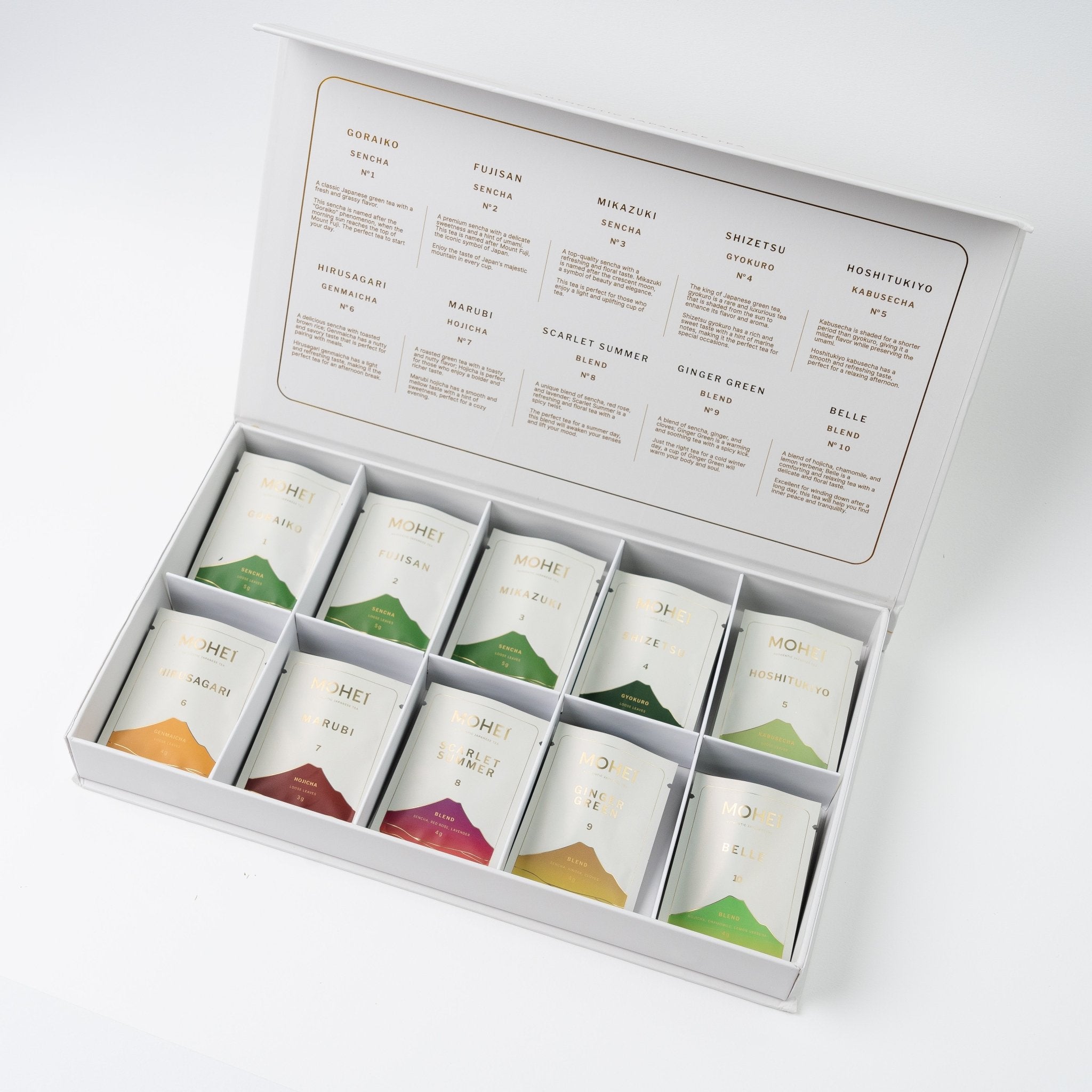

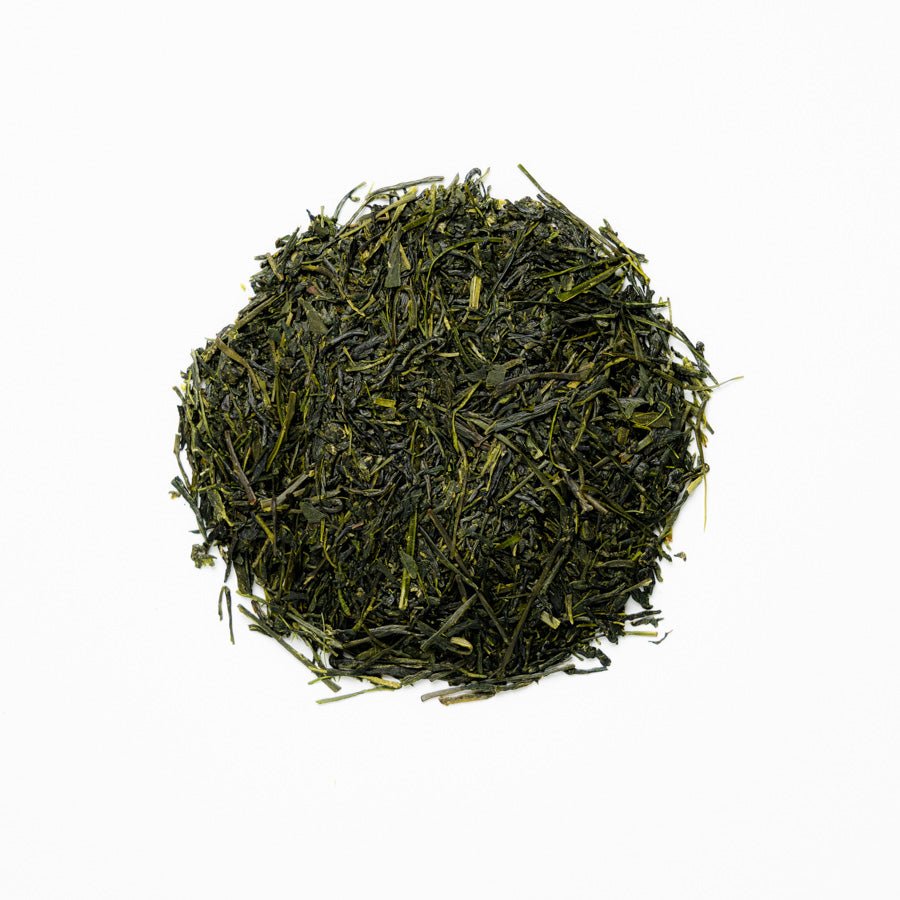

First Flush
Production
Per Serving

Type

Cultivar

Steam


First Flush
Production
Per Serving
Type
Cultivar
Steam
First Flush
Production
Per Serving
Type
Cultivar
Steam
First Flush
Production
Per Serving
Type
Cultivar
Steam
First Flush
Production
Per Serving
Type
Cultivar
Steam
First Flush
Production
Per Serving
Type
Cultivar
Process
First Flush
Production
Per Serving
Type
Cultivar
Steam
First Flush

Blend From

Per Serving
Type


First Flush
Production
Per Serving
Type
Cultivar
Steam

First Flush
Production
Per Serving
Type
Cultivar
Steam
First Flush
Production
Per Serving
Type
Cultivar
Steam
What is Japanese Tea?
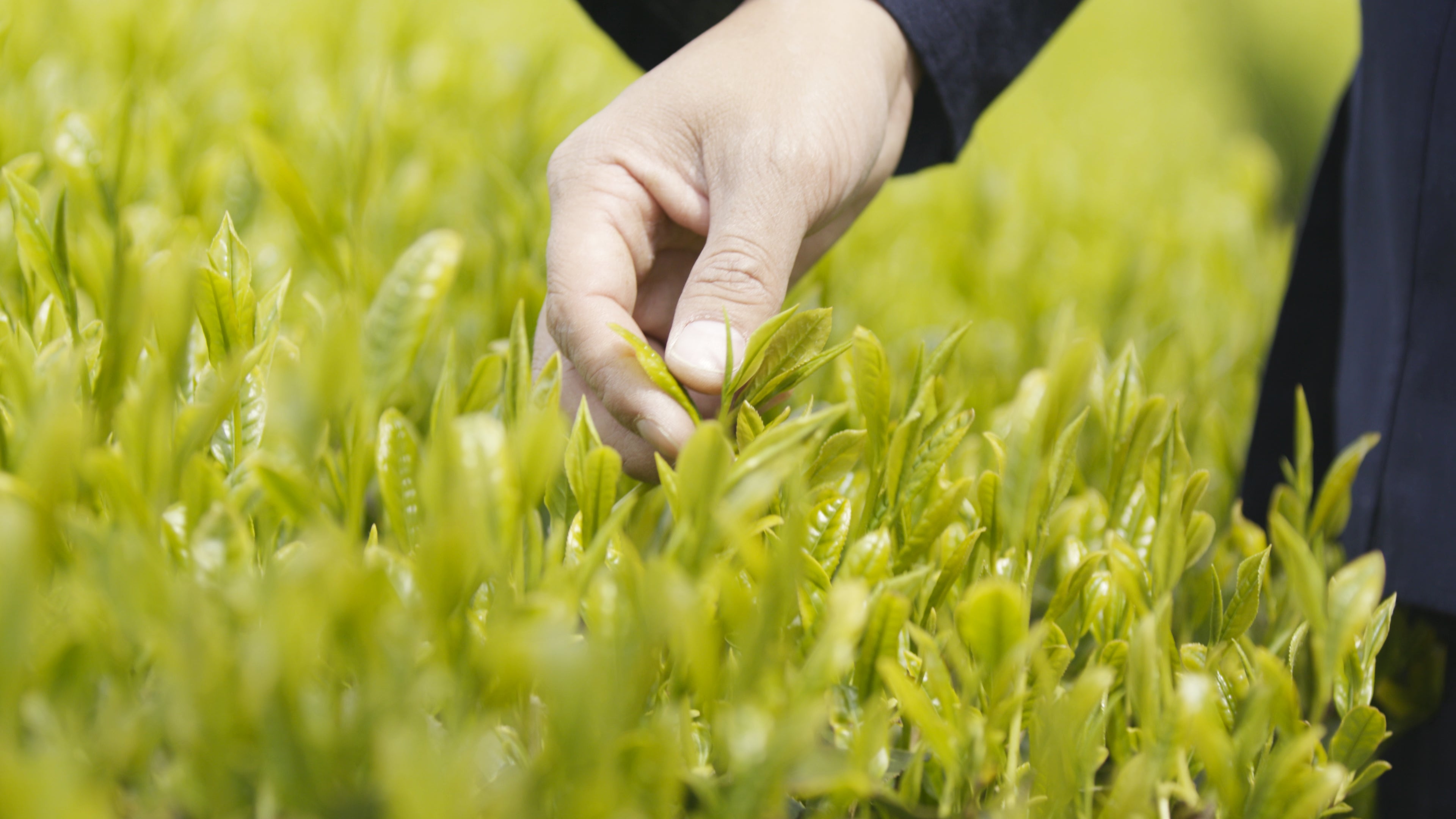
Japanese tea refers to a wide range of teas cultivated and crafted across Japan, most famously Japanese green tea. Unlike many teas produced elsewhere in the world, Japanese tea leaves are typically steamed shortly after harvest, a process that preserves their vibrant green color and fresh vegetal character. This distinctive technique gives Japanese teas their recognizable profile: delicate aromas, refined sweetness, and a deep umami richness.
Across Japan, tea growers cultivate different tea varieties using unique methods of shading, harvesting, and processing. From the everyday freshness of Sencha to the shaded elegance of Gyokuro or the roasted warmth of Hojicha, each style reflects centuries of agricultural knowledge and craftsmanship. Together, these teas form one of the most sophisticated tea cultures in the world.
How is it Produced?
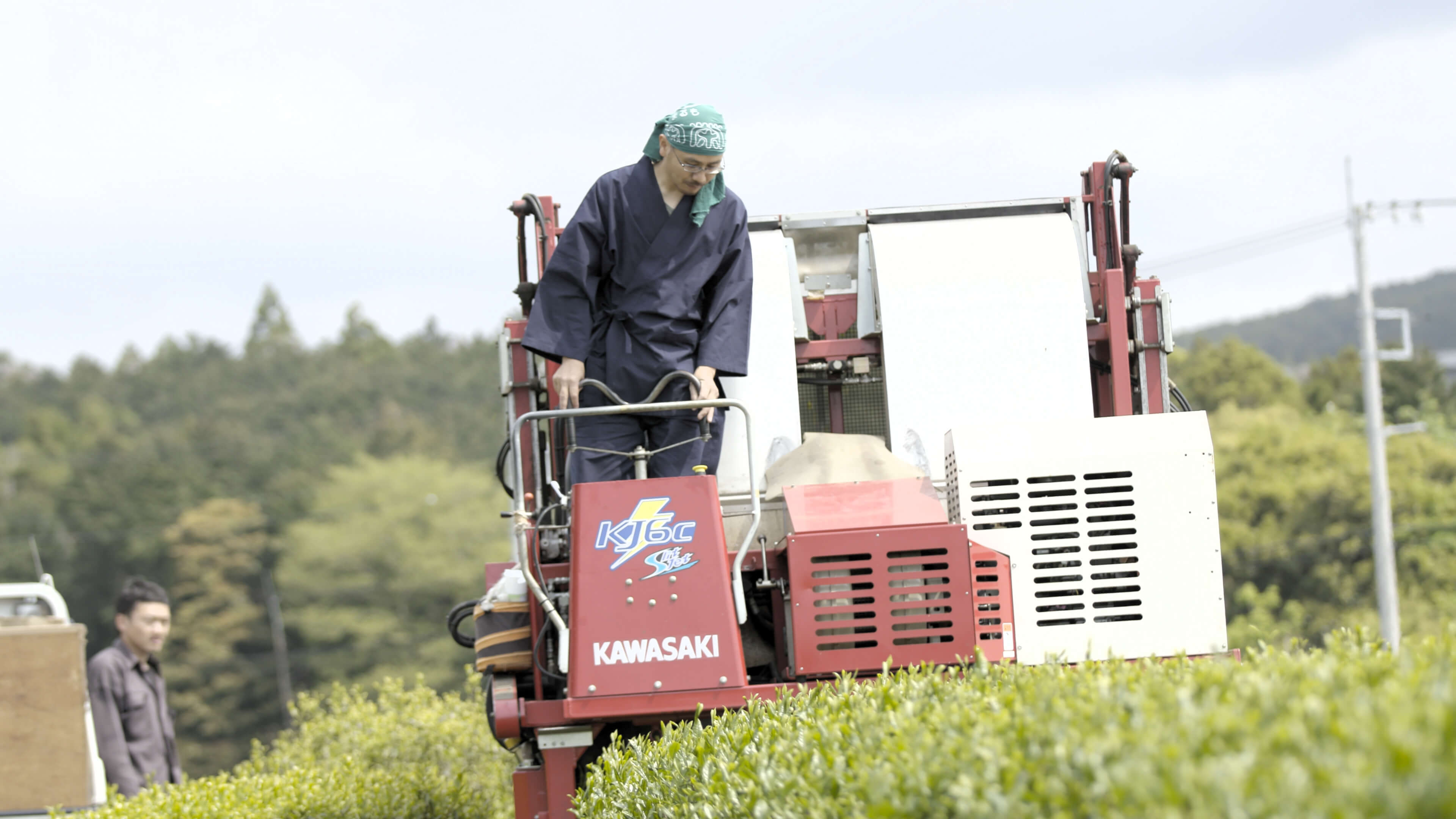
The production of Japanese tea begins in carefully tended tea fields where growers cultivate tea plants under precise environmental conditions. After harvesting, the leaves are quickly steamed to halt oxidation, preserving their natural color, aroma, and nutrients. This steaming step is one of the defining characteristics that distinguishes Japanese green tea from many other tea traditions.
Once steamed, the leaves are rolled, shaped, and dried through a series of controlled processes that help develop their final flavor and texture. Depending on the desired tea style, producers may also apply techniques such as shading the tea plants before harvest, roasting the leaves, or blending them with complementary ingredients. These methods create the remarkable diversity of Japanese teas enjoyed today.

Main Types of Japanese Tea
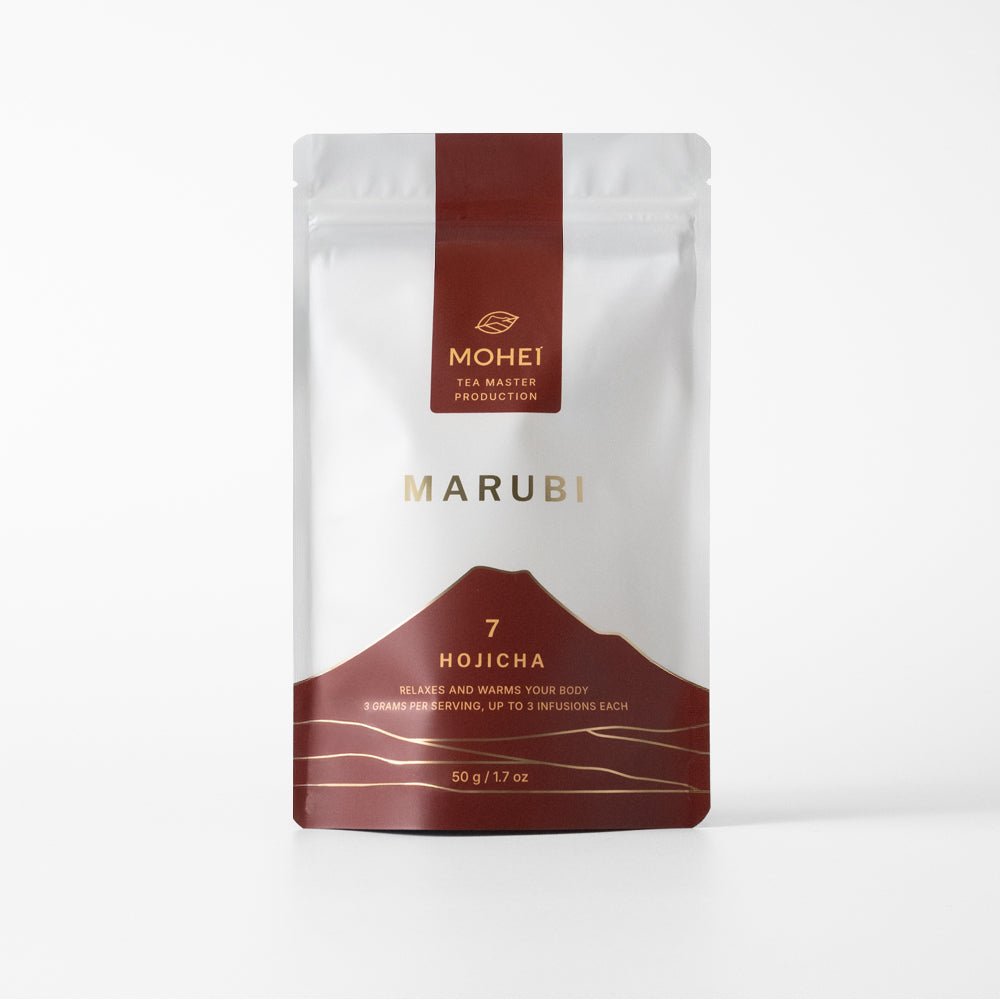
Japanese tea includes several distinct styles, each defined by its cultivation and processing techniques. Sencha, the most widely consumed tea in Japan, offers a fresh and balanced flavor with bright vegetal notes. In contrast, Hojicha is roasted after processing, giving it warm, nutty aromas and naturally lower caffeine.
Other varieties include Japanese black tea, known as Wakoucha, which offers gentle sweetness and soft, honeyed notes that differ from most black teas produced elsewhere. Japan also produces distinctive tea powders, most famously Matcha, where finely milled tea leaves are whisked directly into water, creating a vibrant and immersive tea experience.
Together, they reveal the remarkable diversity of Japanese tea culture, where subtle variations in cultivation, harvest, and craftsmanship produce unique expressions in the cup.
FAQs
What makes Japanese tea different from other teas?
Japanese tea stands apart from many other tea traditions primarily because the leaves are steamed shortly after harvest, a process that preserves their vibrant green color and fresh vegetal character. This method creates teas known for their delicate aromas, balanced sweetness, and distinctive umami depth, making Japanese green teas unique compared to pan-fired or oxidized teas produced in other regions of the world.
What are the benefits of Japanese tea?
Japanese tea is naturally rich in beneficial compounds, including catechins, a type of antioxidant found in green tea. These compounds are often associated with supporting overall wellness and helping protect the body from oxidative stress. Japanese teas also contain L-theanine, an amino acid that contributes to a calm and focused state often experienced when drinking green tea.
Because Japanese tea is gently processed and typically steamed after harvest, many of these natural components are preserved. While Japanese tea has long been appreciated for its refreshing taste and cultural significance, many people also enjoy it as part of a balanced lifestyle and daily ritual.
Which Japanese tea is best for beginners?
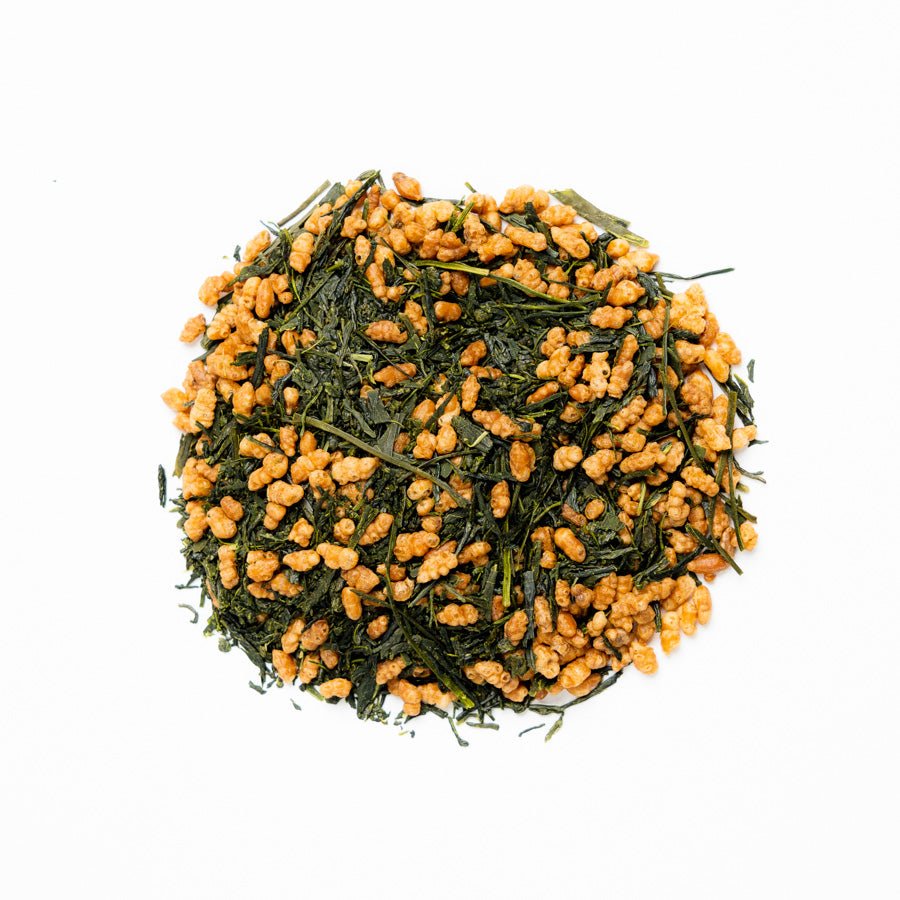
For those new to Japanese tea, Sencha is often the best starting point. It is the most widely enjoyed tea in Japan and offers a balanced profile of freshness, sweetness, and gentle umami. Other approachable options include Genmaicha, known for its comforting roasted rice aroma, and Hojicha, whose warm roasted notes make it especially easy to enjoy.
Does Japanese tea contain caffeine?
Yes, most Japanese teas naturally contain caffeine, although the amount varies depending on the tea style and brewing method. Shaded teas such as Gyokuro and Matcha typically contain more caffeine, while roasted teas like Hojicha generally have lower levels. When brewed gently at lower temperatures, Japanese tea provides a smooth and balanced source of energy.
When is the best time to drink Japanese tea?
Japanese tea can be enjoyed throughout the day, depending on the type of tea and the moment you choose. Fresh green teas such as Sencha are often appreciated during the morning or afternoon, while roasted teas like Hojicha are popular in the evening because of their lower caffeine content. Ultimately, Japanese tea is less about strict rules and more about creating moments of calm and appreciation.
Produced & Curated by Mohei Tea
Mohei Tea works directly with dedicated producers across Japan to curate teas that reflect the craftsmanship, terroir, and traditions of Japanese tea culture. In a time when many local farmers face increasing pressure and uncertainty, our mission is to help them thrive by bringing their work to tea lovers around the world. Through careful selection led by Tea Master Mohei, we commit to offering only exceptional teas that embody the highest standards of quality and authenticity.