


First Flush

Production
Per Serving

Type

Steam

First Flush
Production
Per Serving
Type
Process
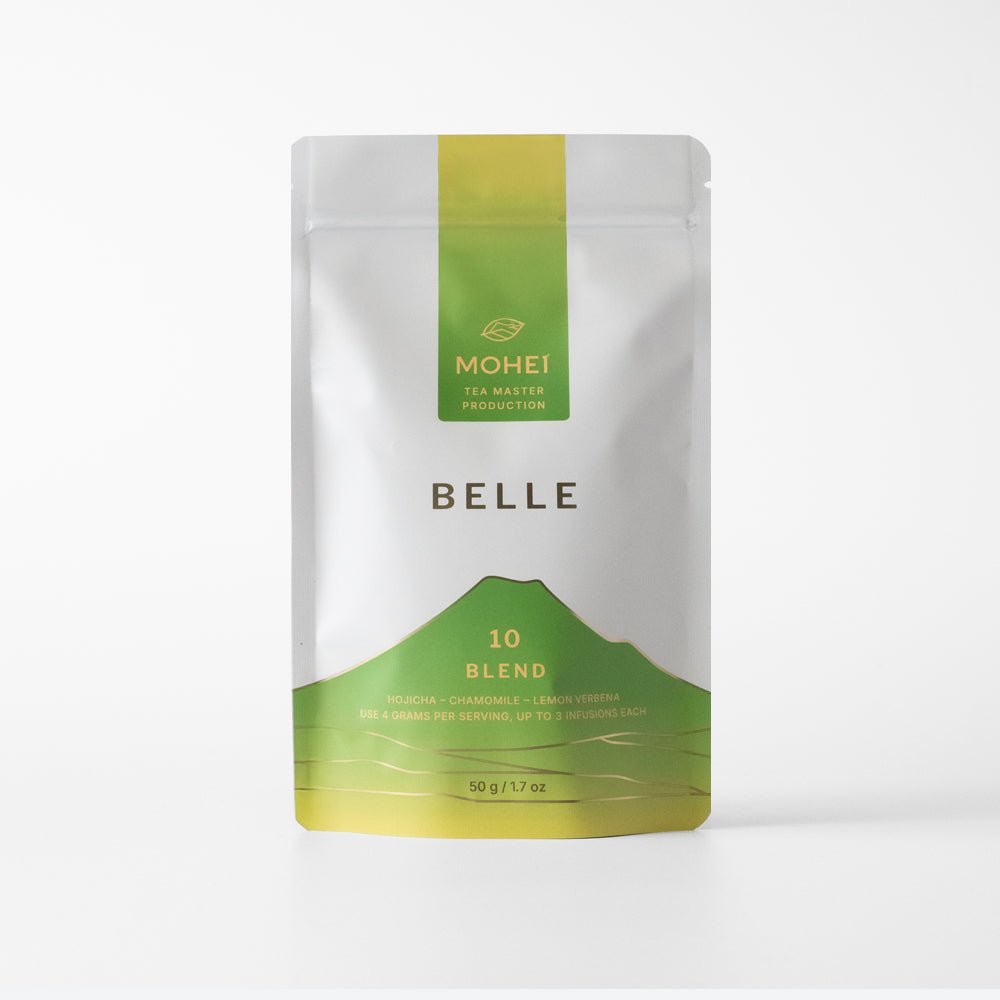
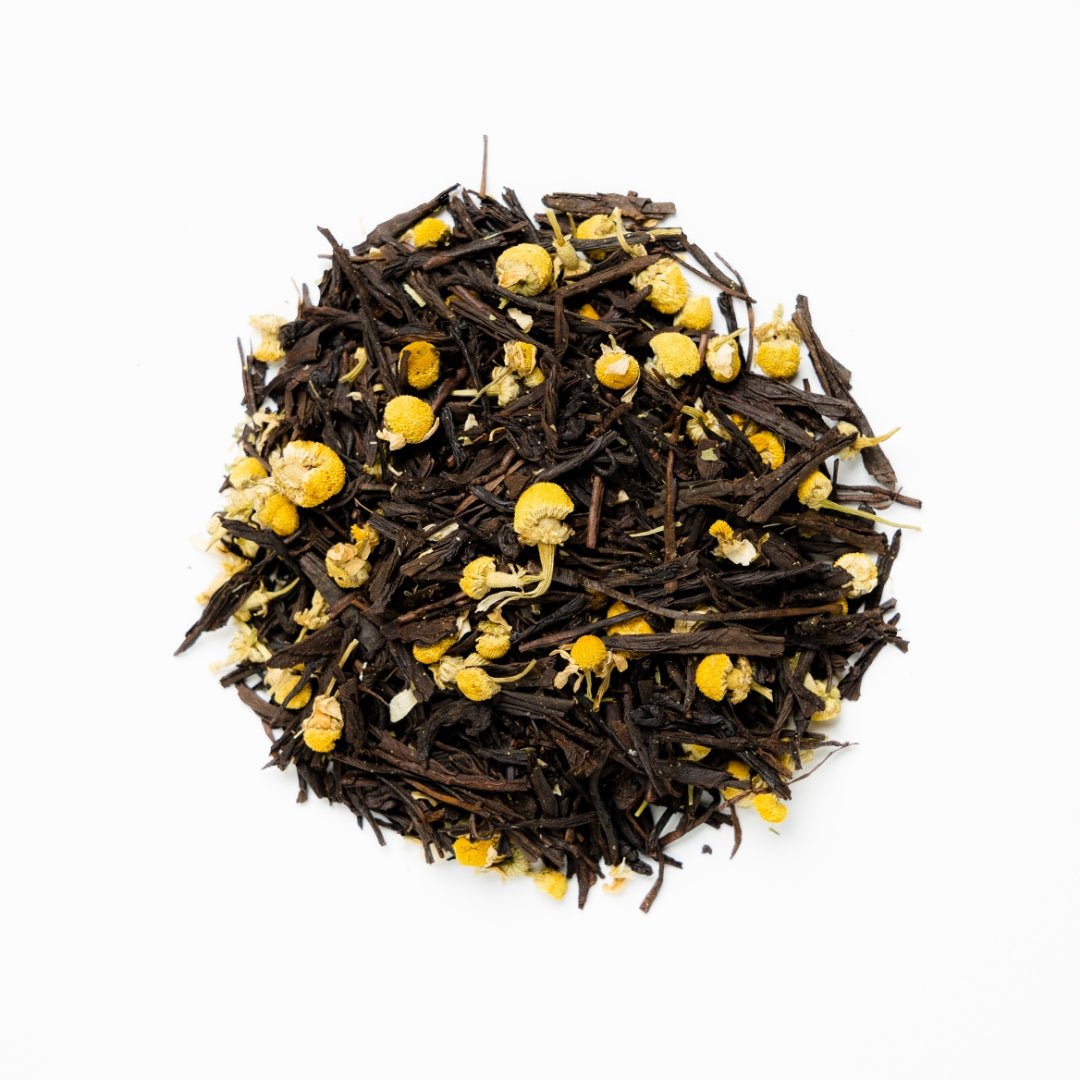
First Flush
Production
Per Serving
Type

Cultivar
Steam
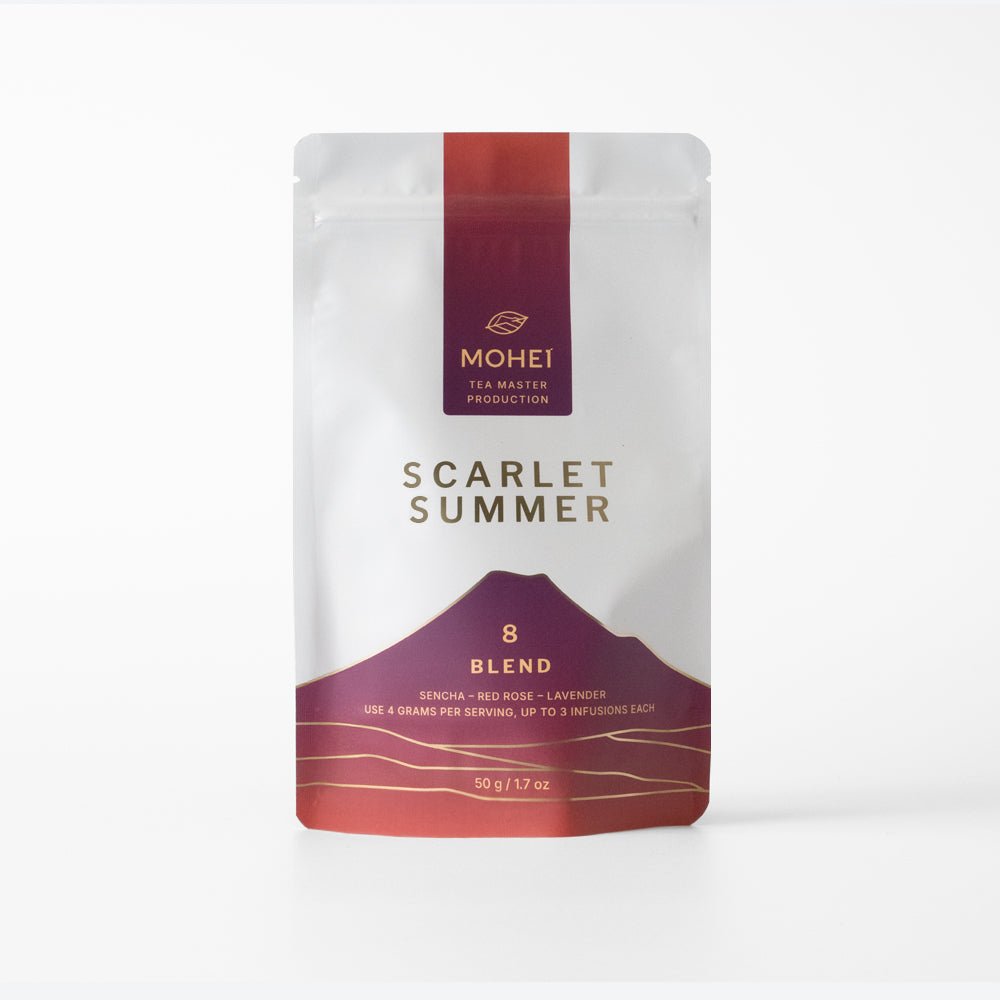

First Flush
Production
Per Serving
Type
Cultivar
Steam
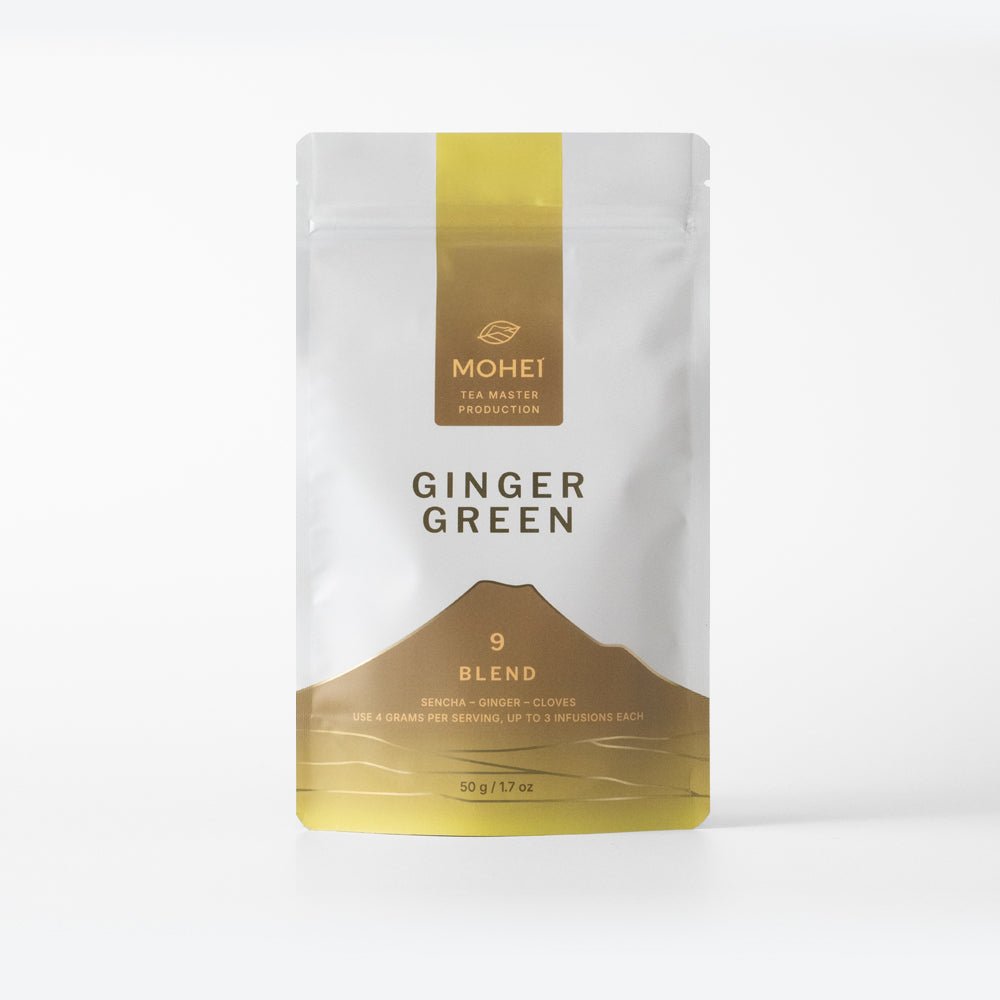

First Flush
Production
Per Serving
Type
Cultivar
Steam
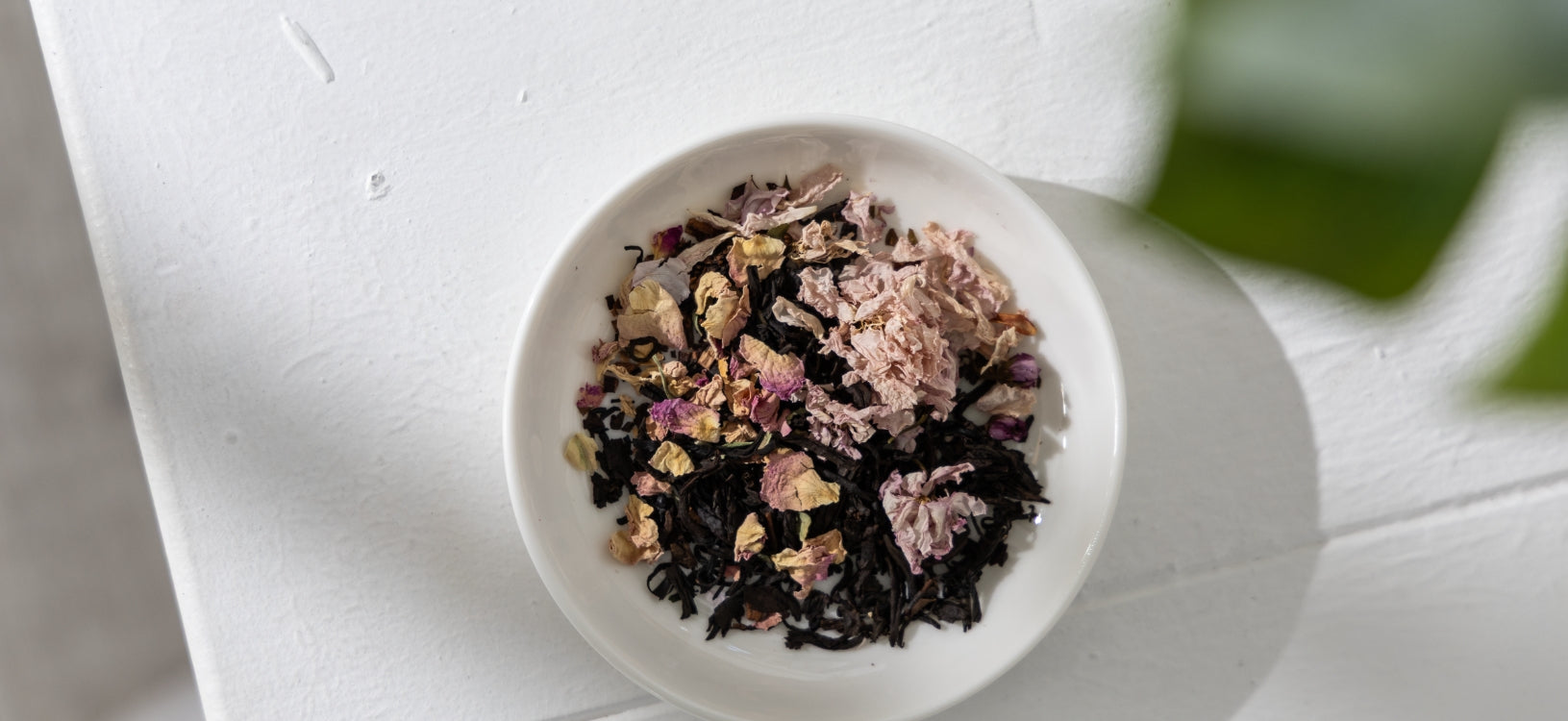
What is Gogumi?
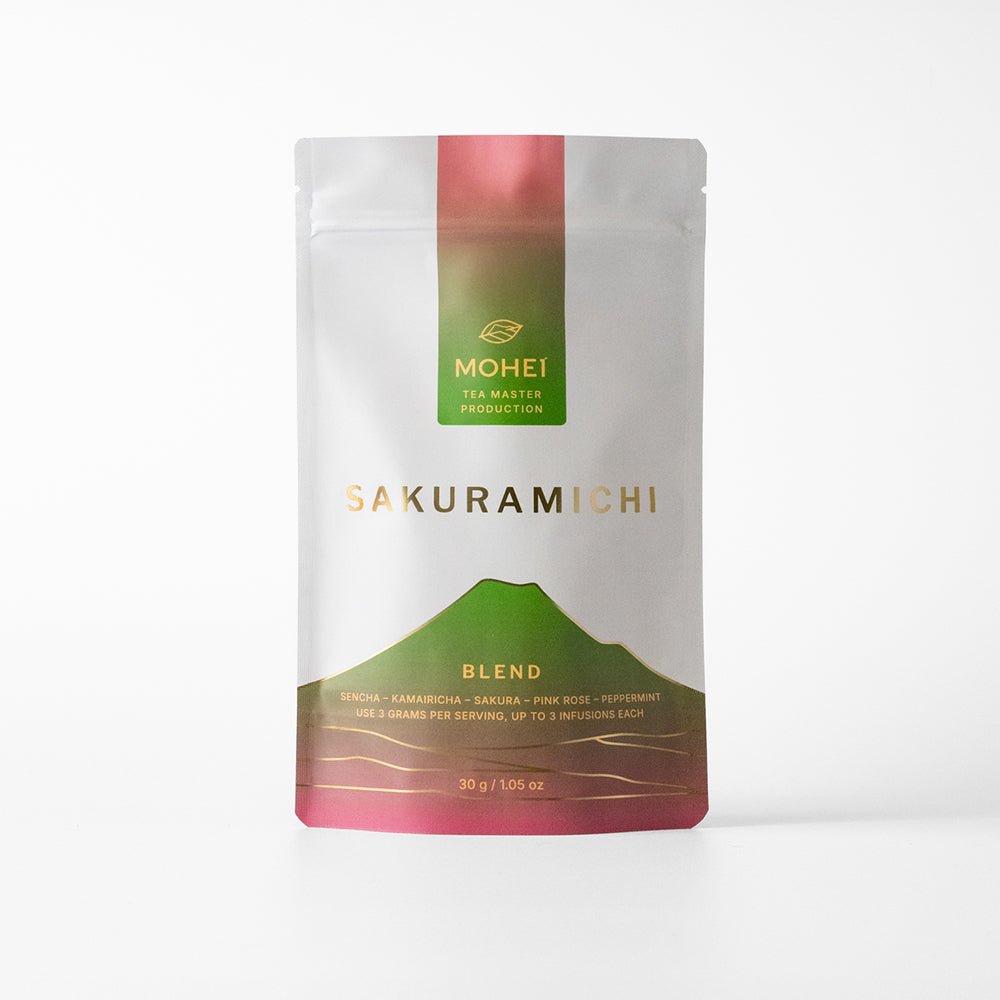
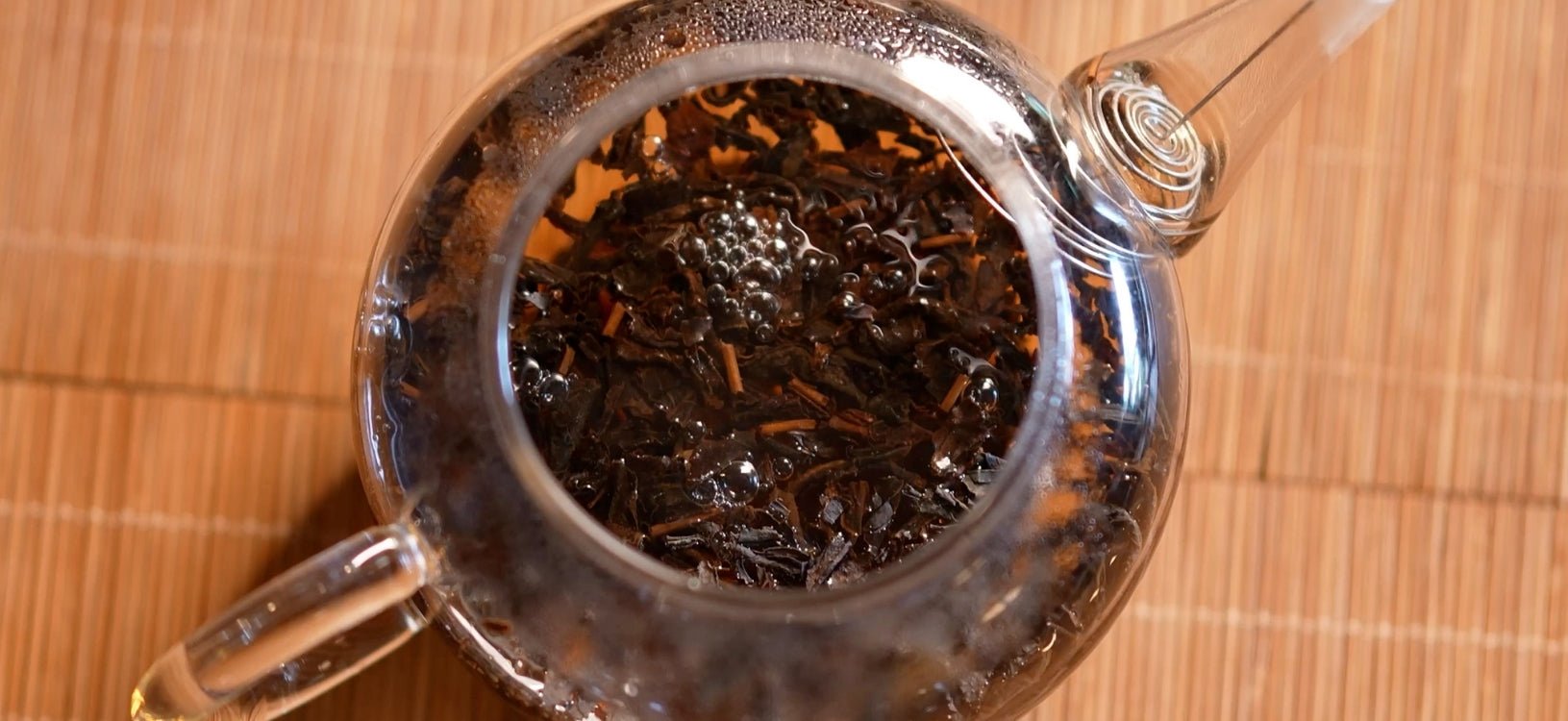
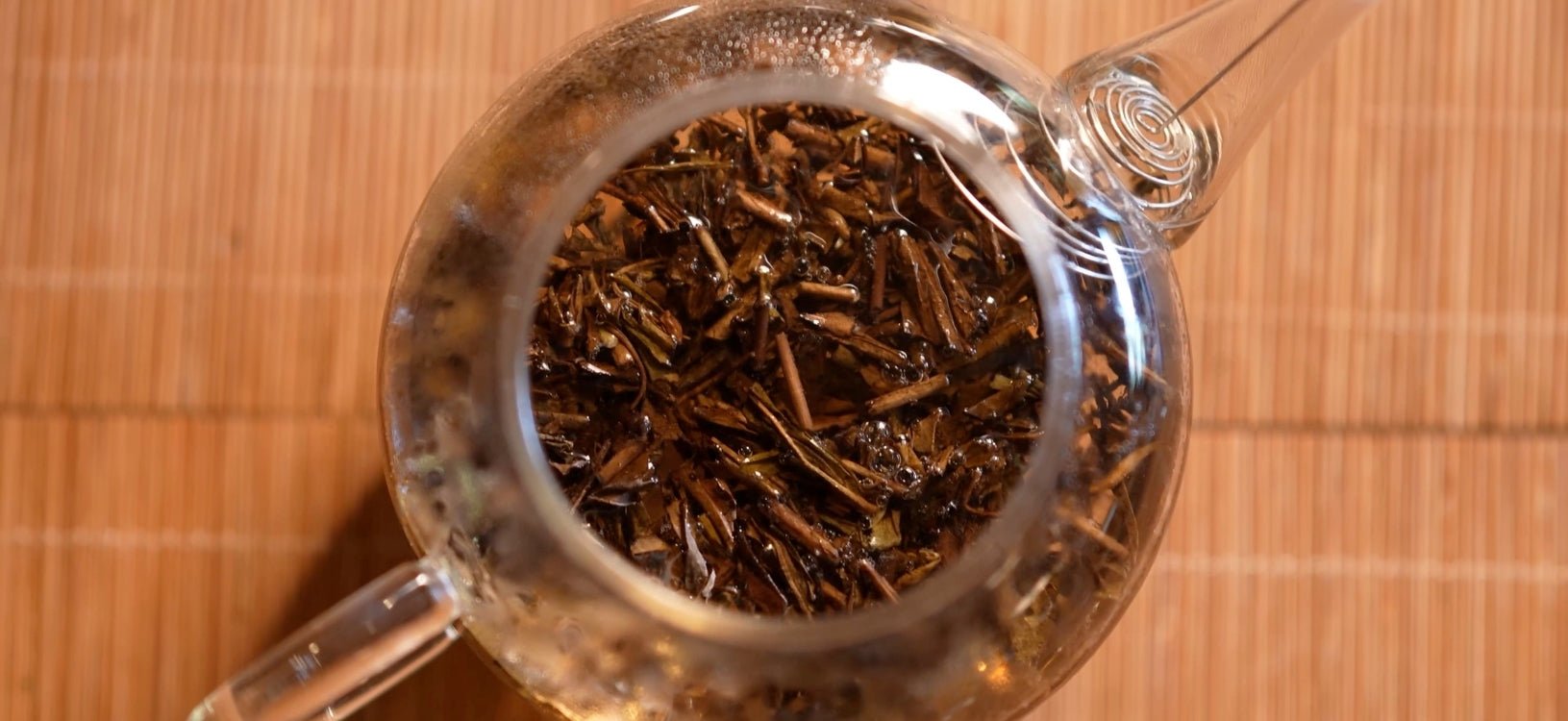
A Gogumi is a Japanese tea blend that combines traditional teas such as sencha, hojicha, or wakoucha with carefully selected ingredients including flowers, herbs, spices, or roasted grains. This approach allows producers to create teas with distinctive aromatic profiles while preserving the character of the base tea.
In Japan, blending is considered both an art and a craft. Each ingredient is chosen not only for its flavor but also for how it interacts with the natural sweetness, umami, or astringency of the tea leaves. The result is a harmonious cup where every element contributes to a balanced and memorable experience.
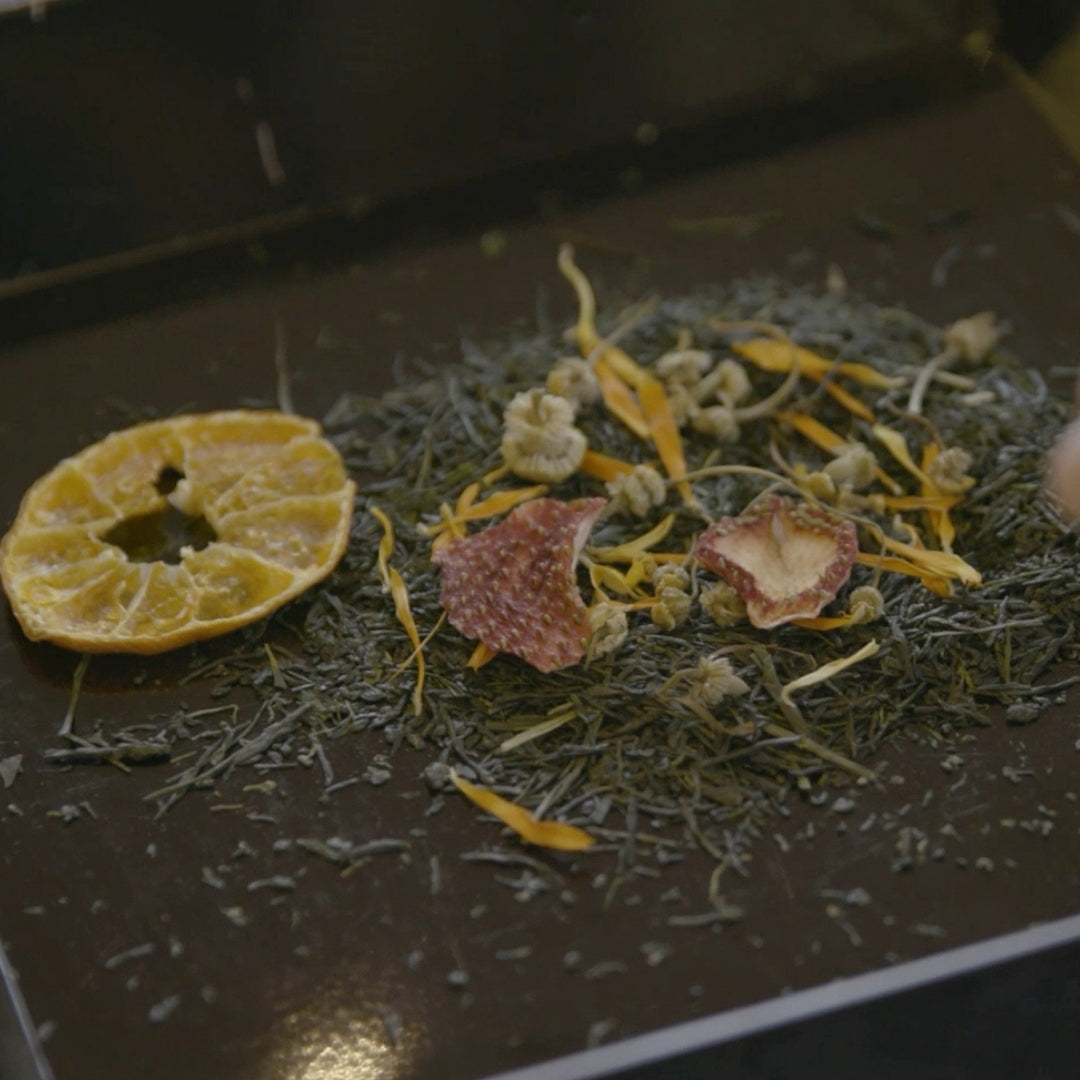
How Are They Crafted?
Creating a balanced tea blend requires a careful understanding of both tea and aromatic ingredients. Producers begin by selecting a base tea that will define the structure of the blend, such as sencha for freshness or hojicha for its roasted depth.
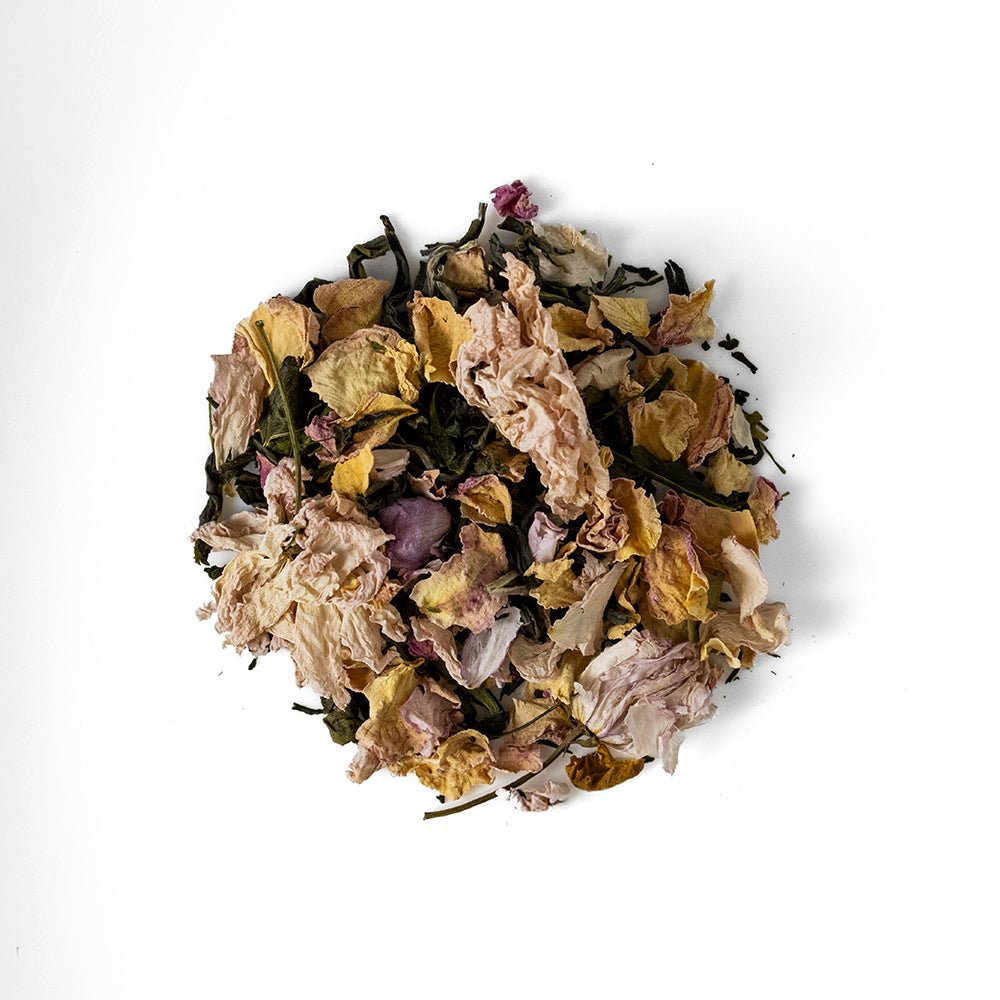
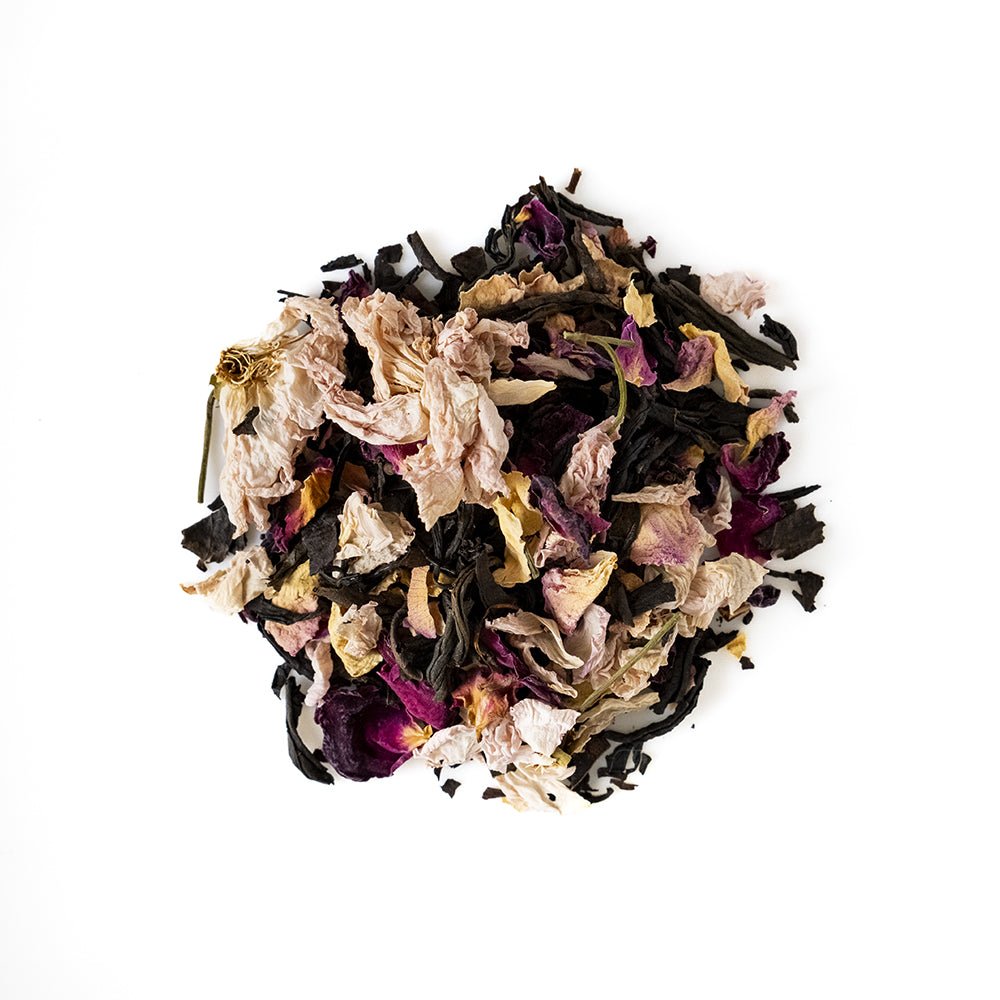
Flowers, spices, or herbs are then introduced in precise proportions to complement the tea’s natural profile. The goal is not to overpower the tea, but rather to enhance its character while creating new layers of aroma and flavor that unfold with each infusion.
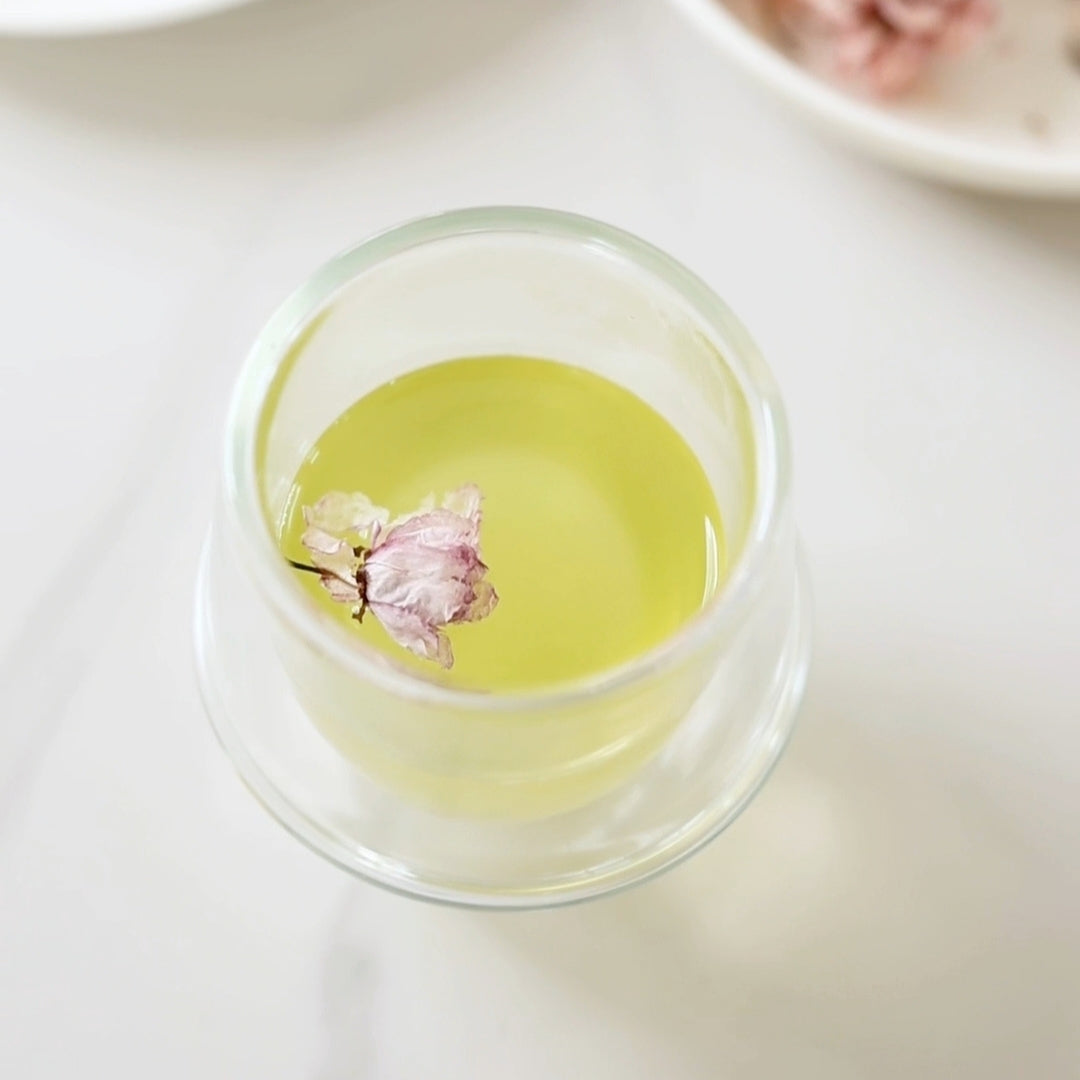
The Flavor Profile of Gogumi
Japanese tea blends offer a wide range of flavor experiences depending on their ingredients and base tea. Floral blends may express delicate aromas of cherry blossom, rose, or lavender, while spiced blends can reveal warm and invigorating notes.
Despite this diversity, the base tea remains central to the experience. The freshness of sencha, the roasted warmth of hojicha, or the gentle sweetness of wakoucha provides the structure around which the blend develops its unique personality.
FAQs
What types of tea are used in Japanese tea blends?
Japanese tea blends are typically made with traditional teas such as sencha, hojicha, or wakoucha. Each base tea contributes its own character, allowing producers to create blends that highlight freshness, roasted warmth, or smooth sweetness.
What ingredients are commonly added to Japanese tea blends?
Japanese tea blends may include flowers such as cherry blossom or rose, herbs like mint, or spices that add warmth and complexity. These ingredients are carefully selected to complement the natural flavor of the tea.
Are Japanese tea blends sweetened?
Traditional Japanese tea blends are not sweetened. Their natural flavor comes from the tea leaves and aromatic ingredients used in the blend, creating a balanced cup without the need for added sugar.
When is the best time to drink Japanese tea blends?
Japanese tea blends can be enjoyed throughout the day depending on their base tea. Fresh sencha blends are often appreciated during the day, while roasted hojicha blends can be particularly soothing in the evening.
How should Japanese tea blends be brewed?
Most Japanese tea blends can be brewed using hot water between 80 and 95°C depending on the base tea. This temperature allows both the tea leaves and the aromatic ingredients to release their full fragrance.
Each page of our blended tea offers a precise guideline on how to brew them perfectly.
Produced & Curated by Mohei Tea
Mohei Tea works directly with dedicated producers across Japan to curate teas that reflect the craftsmanship, terroir, and traditions of Japanese tea culture. In a time when many local farmers face increasing pressure and uncertainty, our mission is to help them thrive by bringing their work to tea lovers around the world. Through careful selection led by Tea Master Mohei, we commit to offering only exceptional teas that embody the highest standards of quality and authenticity.