


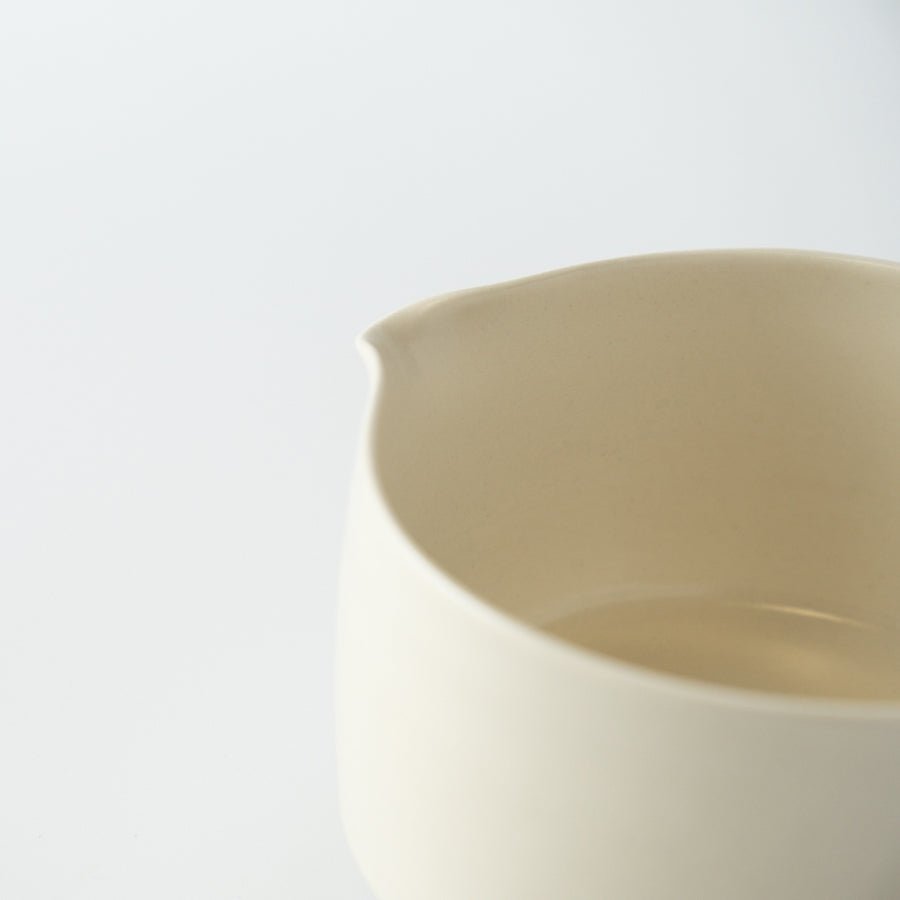
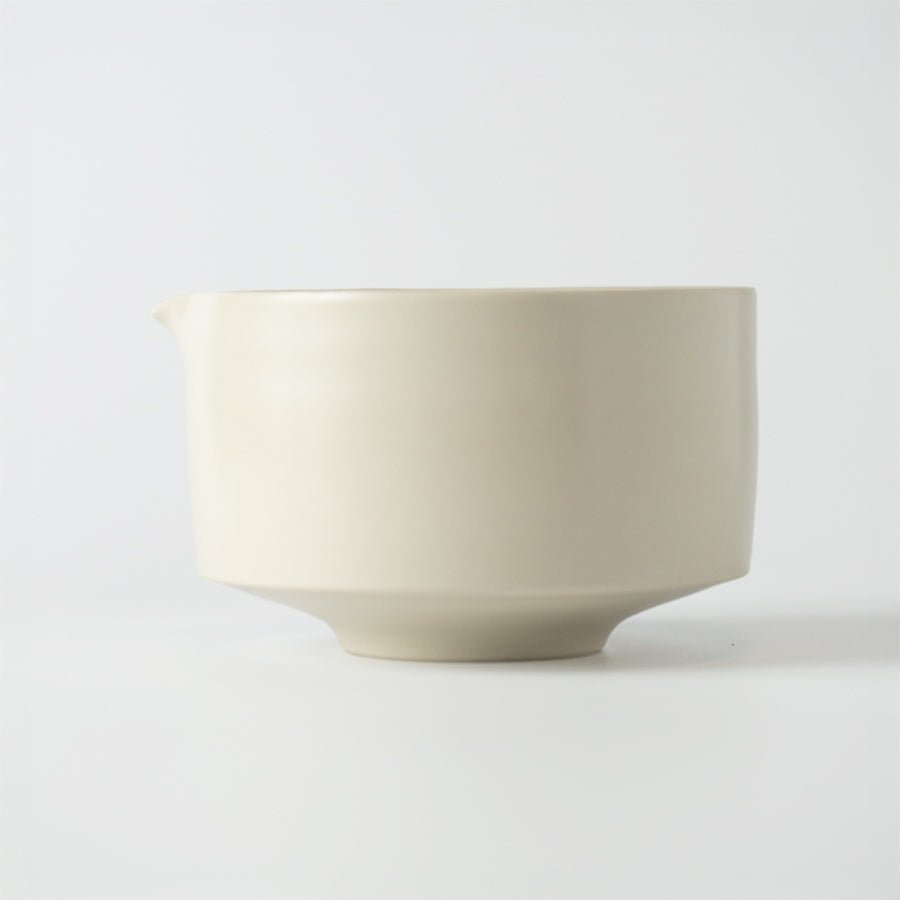
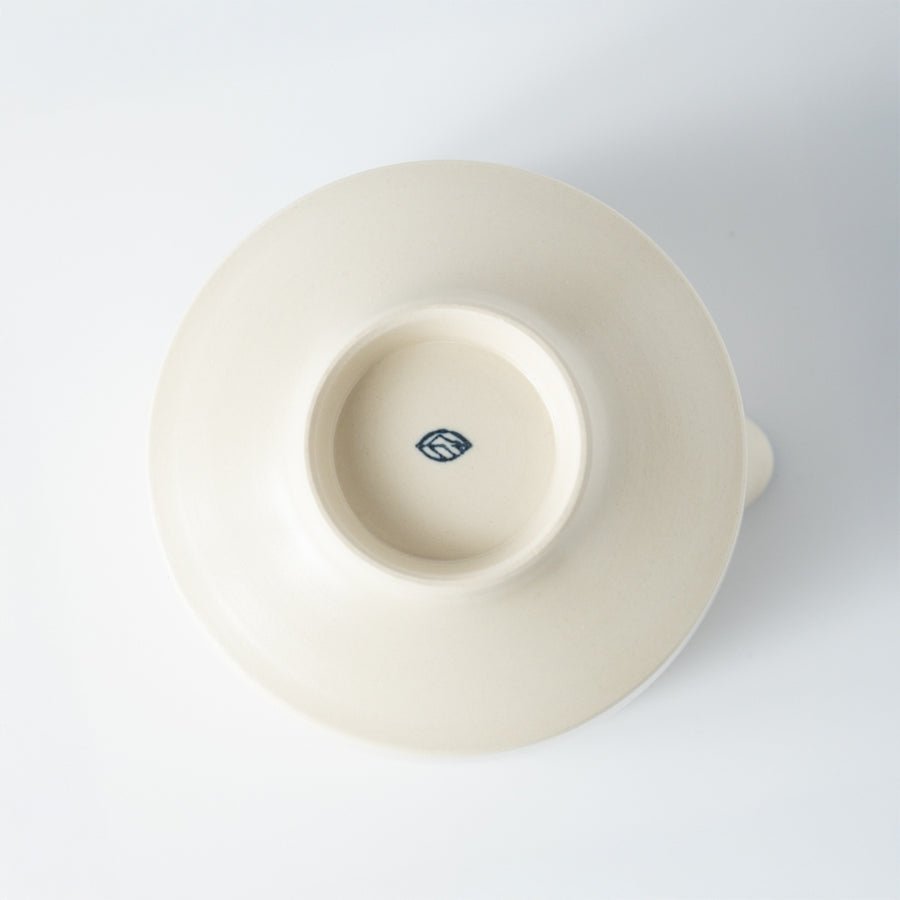
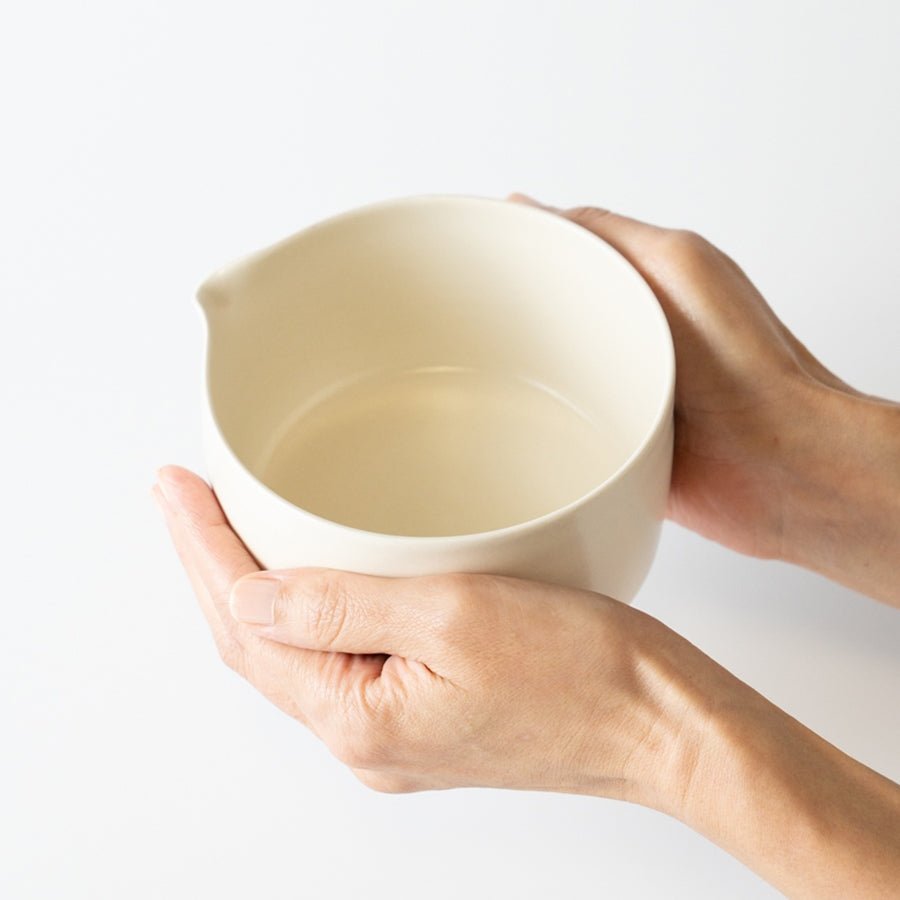
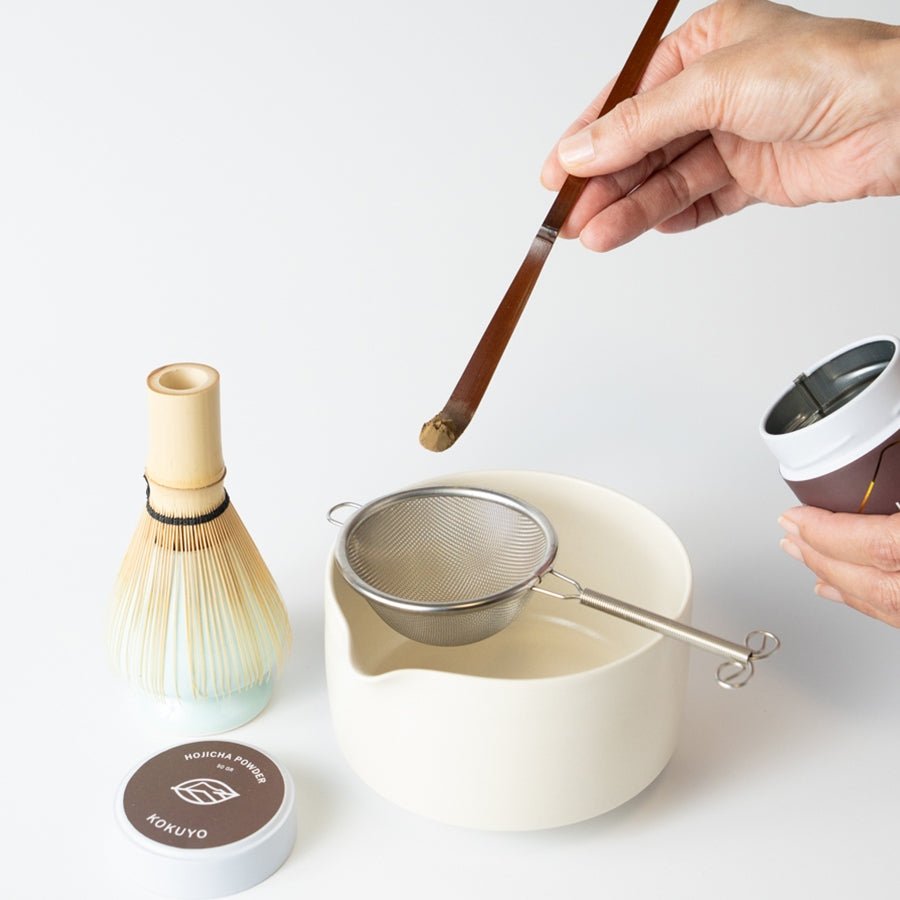
Katakuchi Chawan | Matcha Bowl
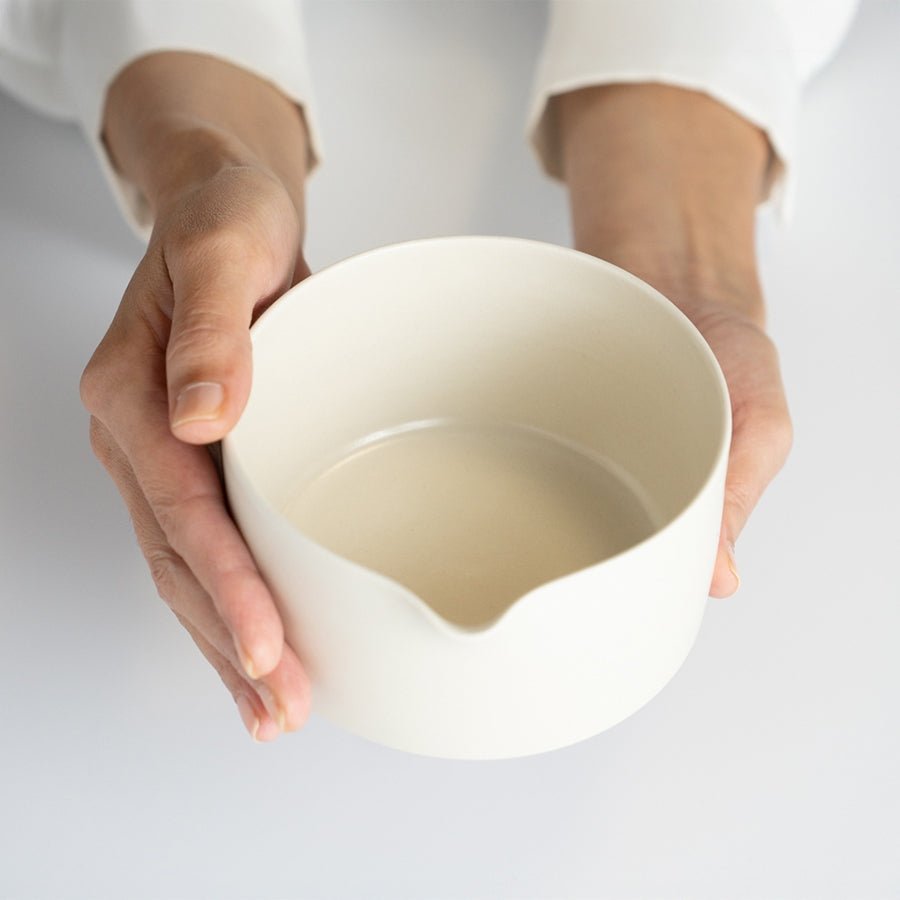
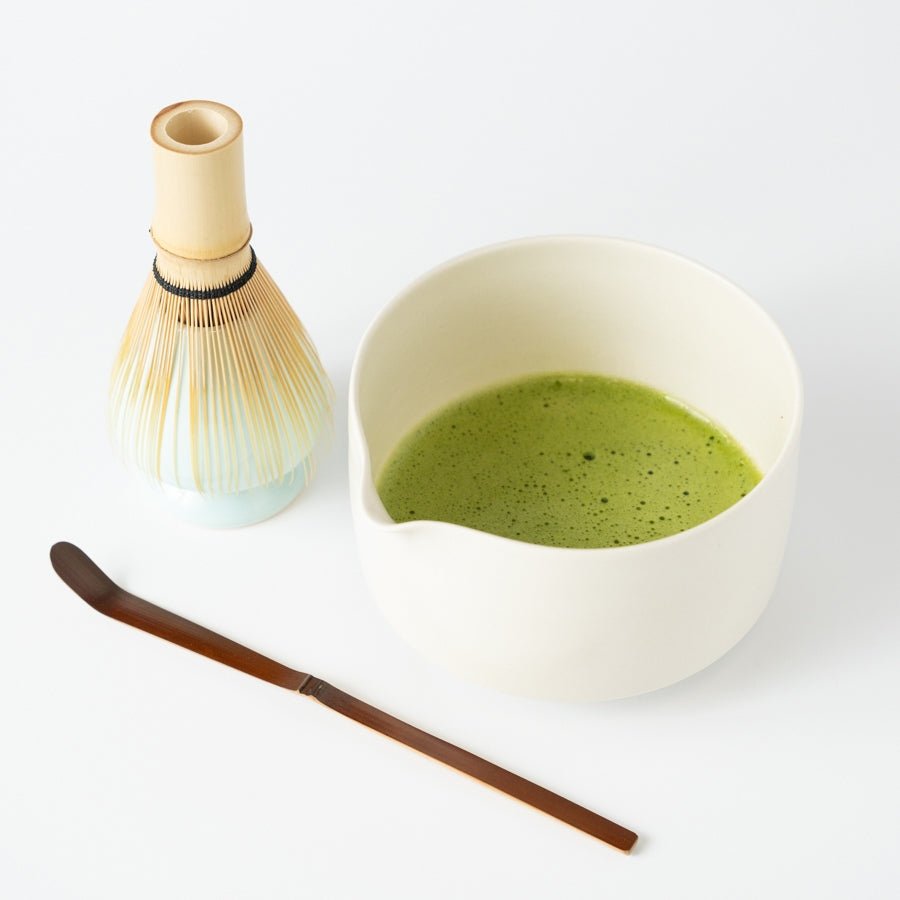
Crafted in collaboration with Taniguchi Clay Factory, a clay studio with 75 years of expertise in Komatsu City, this katakuchi chawan is made from the rare Hanasaka ceramic stone, the traditional raw material of Kutani ware. The bowl holds 300 ml, offering ample space for whisking while allowing the tea whisk to stand comfortably.
Pairs well with
Katakuchi Chawan | Matcha Bowl
If you have any questions, you are always welcome to contact us. We'll get back to you as soon as possible, within 24 hours on weekdays.
-
Shipping Information
Use this text to answer questions in as much detail as possible for your customers.
-
Customer Support
Use this text to answer questions in as much detail as possible for your customers.
-
FAQ’s
Use this text to answer questions in as much detail as possible for your customers.
-
Contact Us
Use this text to answer questions in as much detail as possible for your customers.
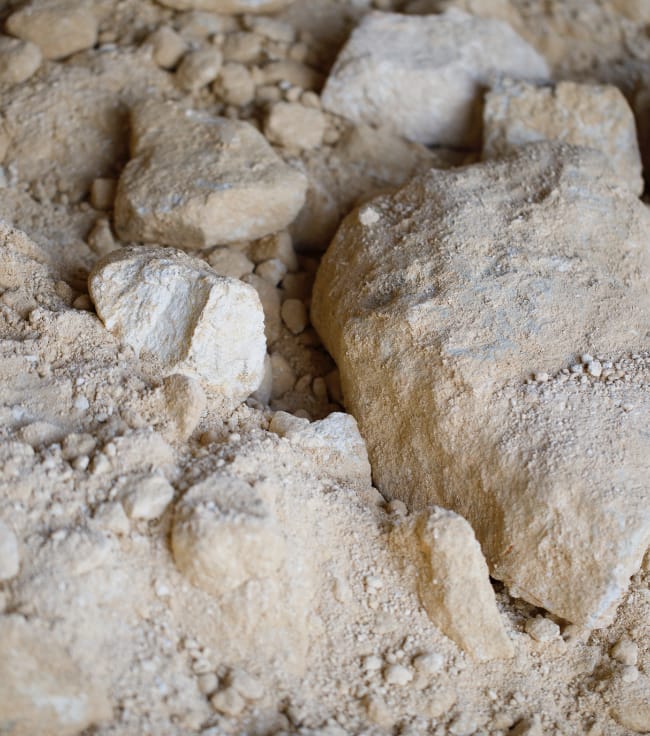
Hanasaka Ceramic Stone
Hanasaka ceramic stone is a rare local material from Komatsu City in Ishikawa Prefecture, and has long supported the region’s ceramic tradition. Valued for its fine particles and natural plasticity, it offers artisans a material that responds beautifully to shaping, allowing for precise forms and subtle expression in the finished piece.
Rich in iron, Hanasaka stone develops a soft, slightly bluish white tone when fired under reduction. In this chawan, its natural character is further complemented by a gentle beige glaze made from recycled residual clay, creating a quiet, refined surface that reflects both the beauty of the material and the care of the process.

From Stone to Clay
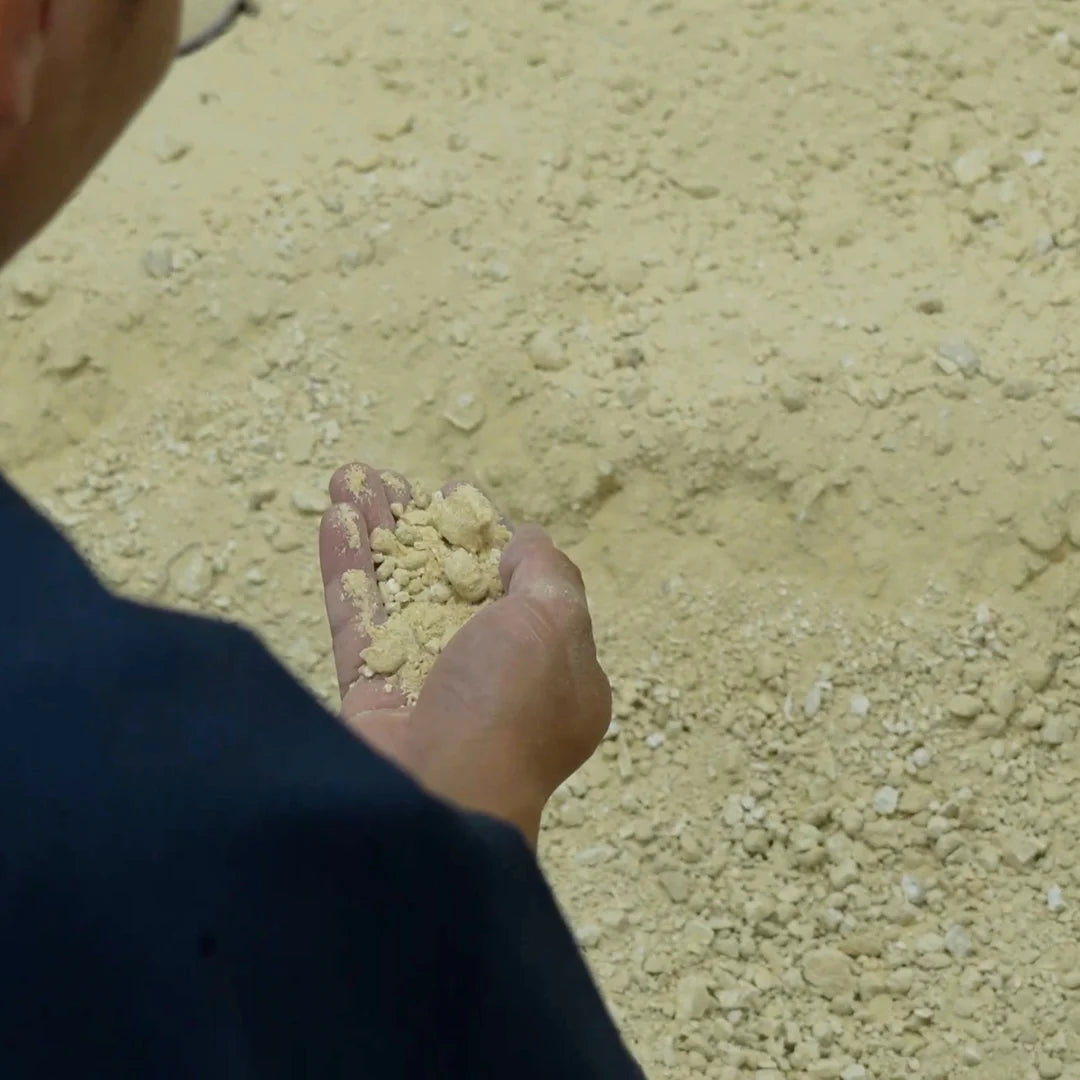
Saiseki
Quarrying
Hanasaka ceramic stone is extracted from the hills of Komatsu. While early methods relied on manual digging, modern quarrying uses controlled surface extraction, ensuring both safety and consistency in sourcing the raw material.
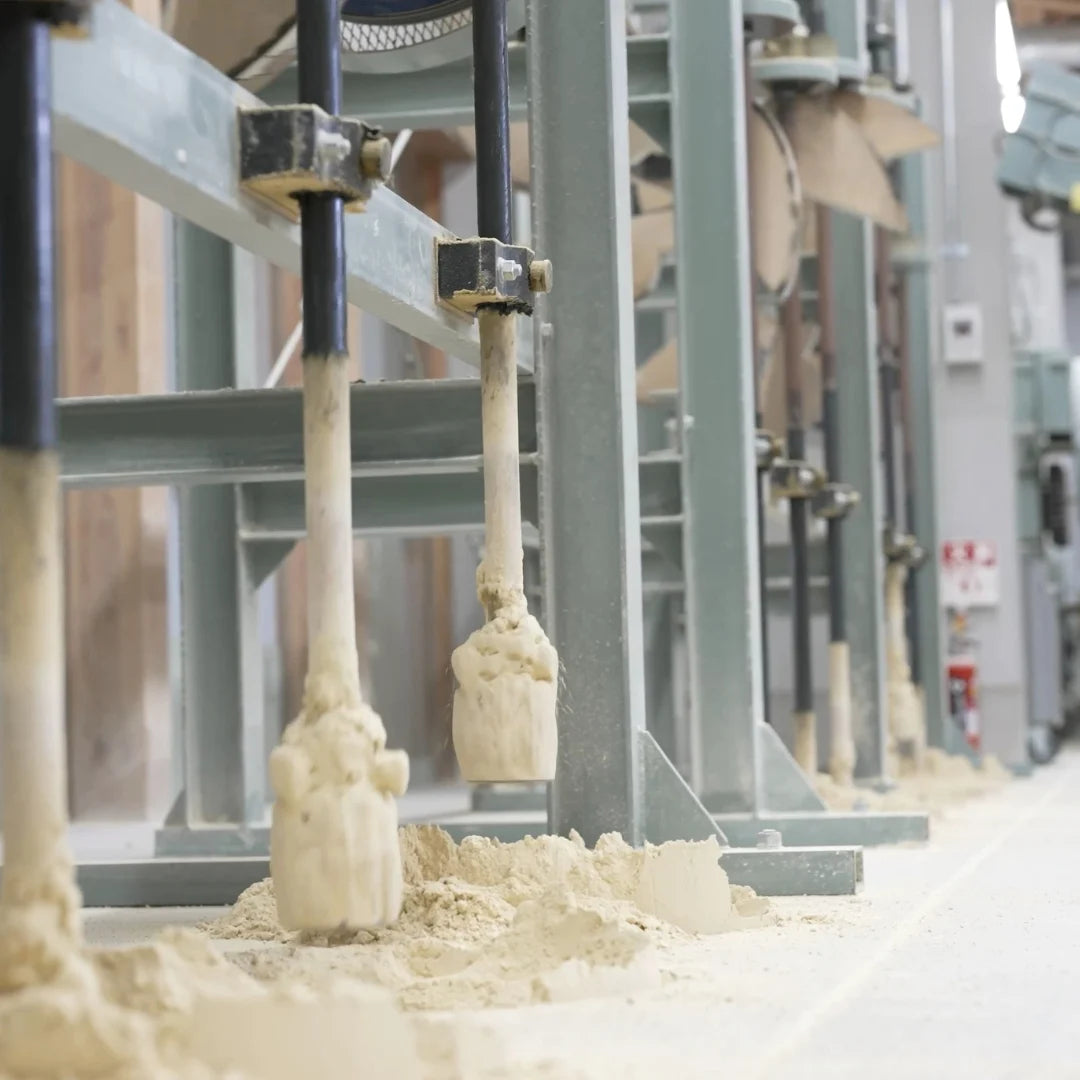
Funsai
Crushing
The stone is first roughly broken down, then crushed using a stamping process that mimics the motion of a pestle. Softer portions become fine powder, while harder fragments remain as small pebbles, allowing for precise separation.
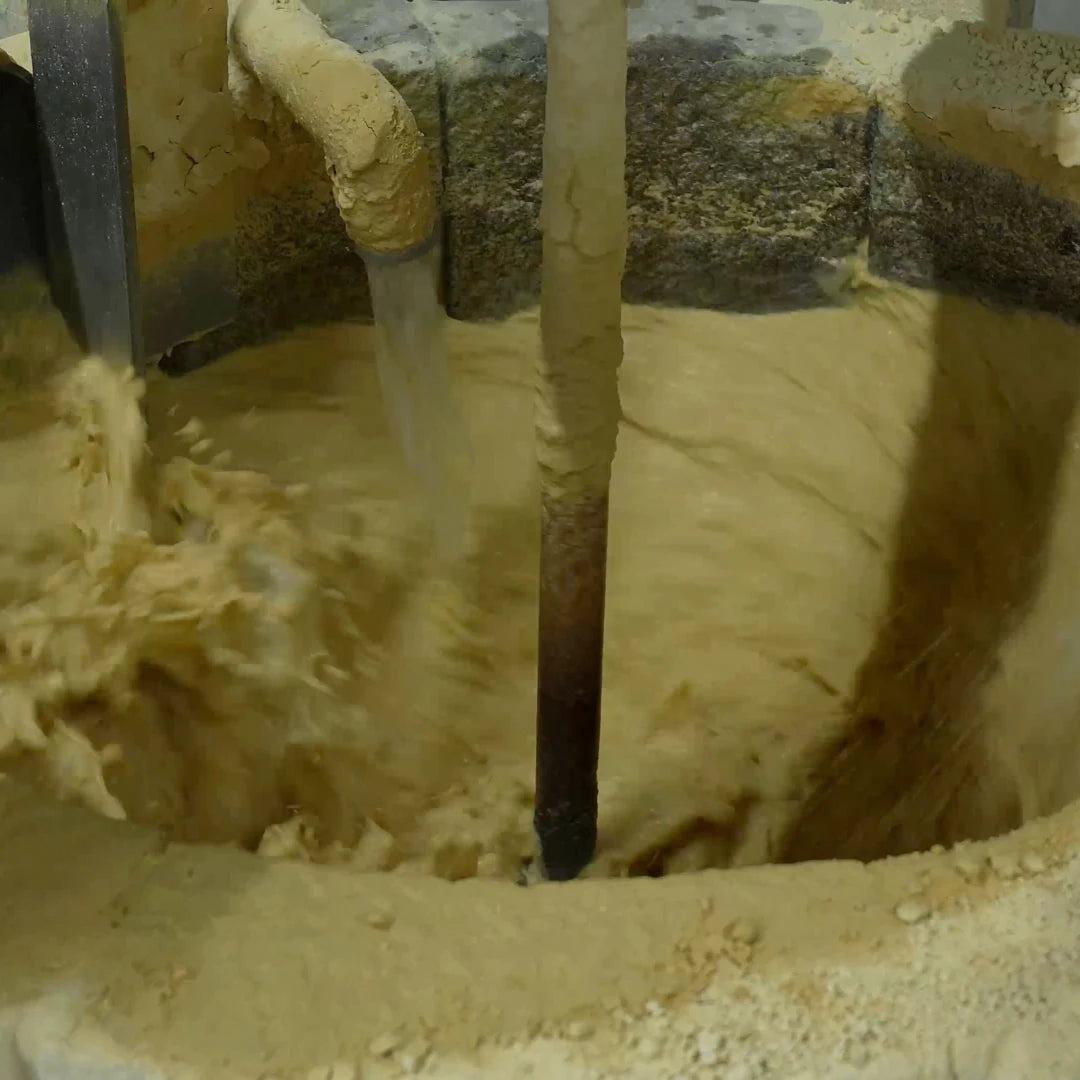
Suihi
Elutriation
The crushed material is mixed with water to form a slurry, which is carefully agitated and filtered. Through this process, coarse particles and impurities such as iron are removed, leaving only the purest stone particles suspended in liquid.
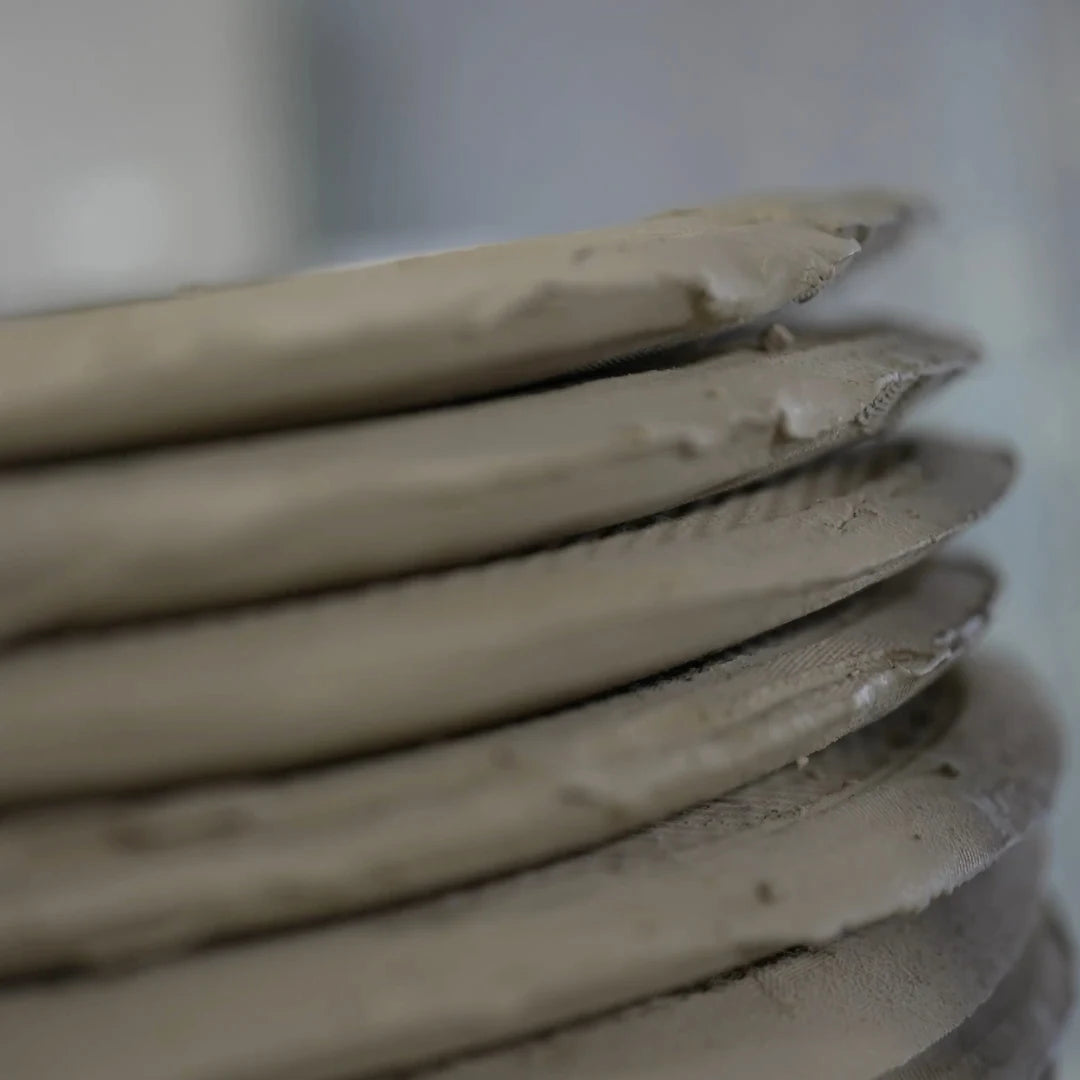
Dassui
Dewatering
The refined slurry is passed through a filter press to remove excess water. The resulting clay is shaped into dense blocks, stabilizing the material and preparing it for use.
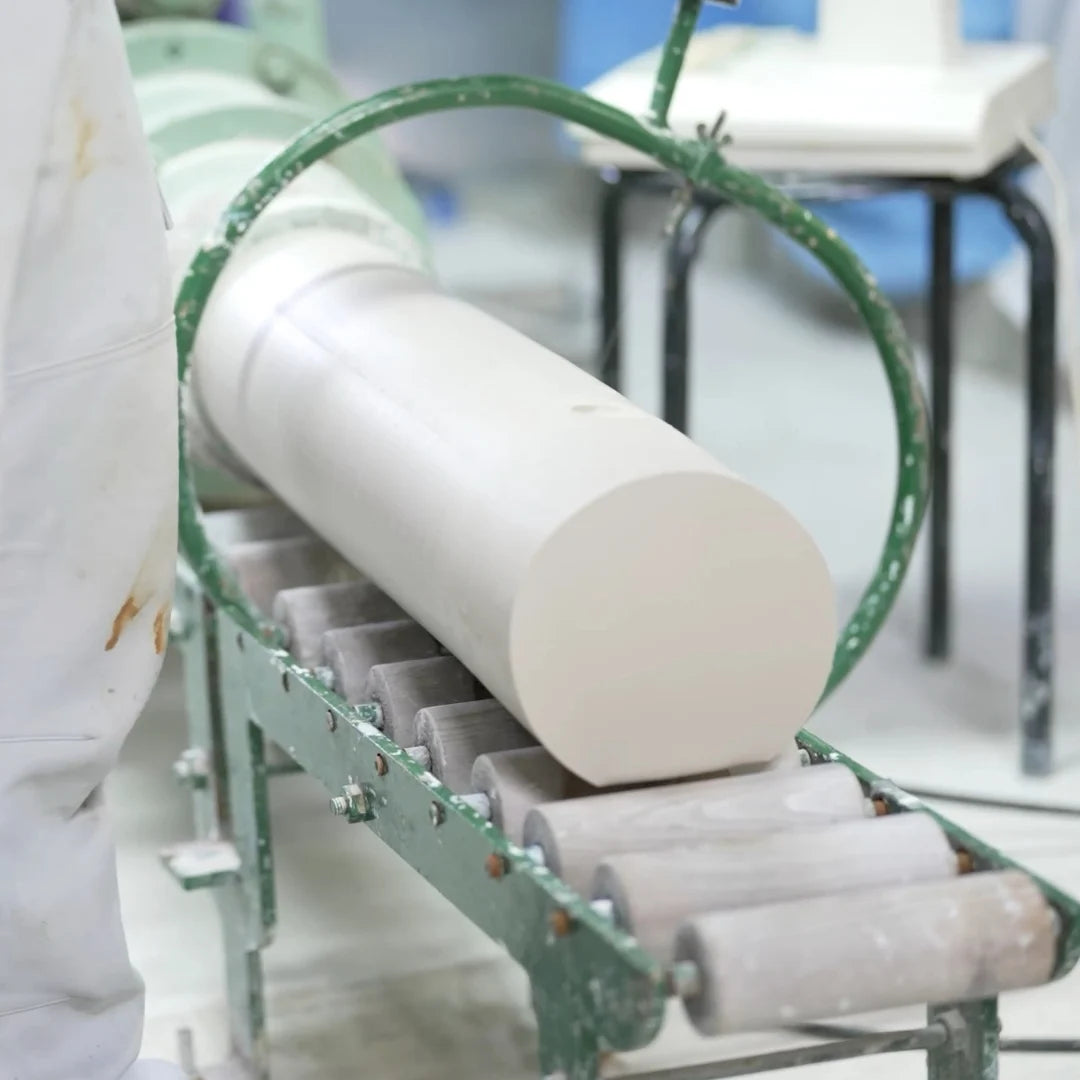
Doren
Kneading
Finally, the clay is carefully kneaded with controlled amounts of water and blended materials. Air is removed during this process, resulting in a smooth, consistent clay ready for shaping by the artisan.
How to Use
01
Prepare Your Whisk
Before preparing your matcha, place your chasen in warm water for a few moments. This softens the bamboo tines, allowing for smoother whisking and helping preserve the whisk's shape over time.
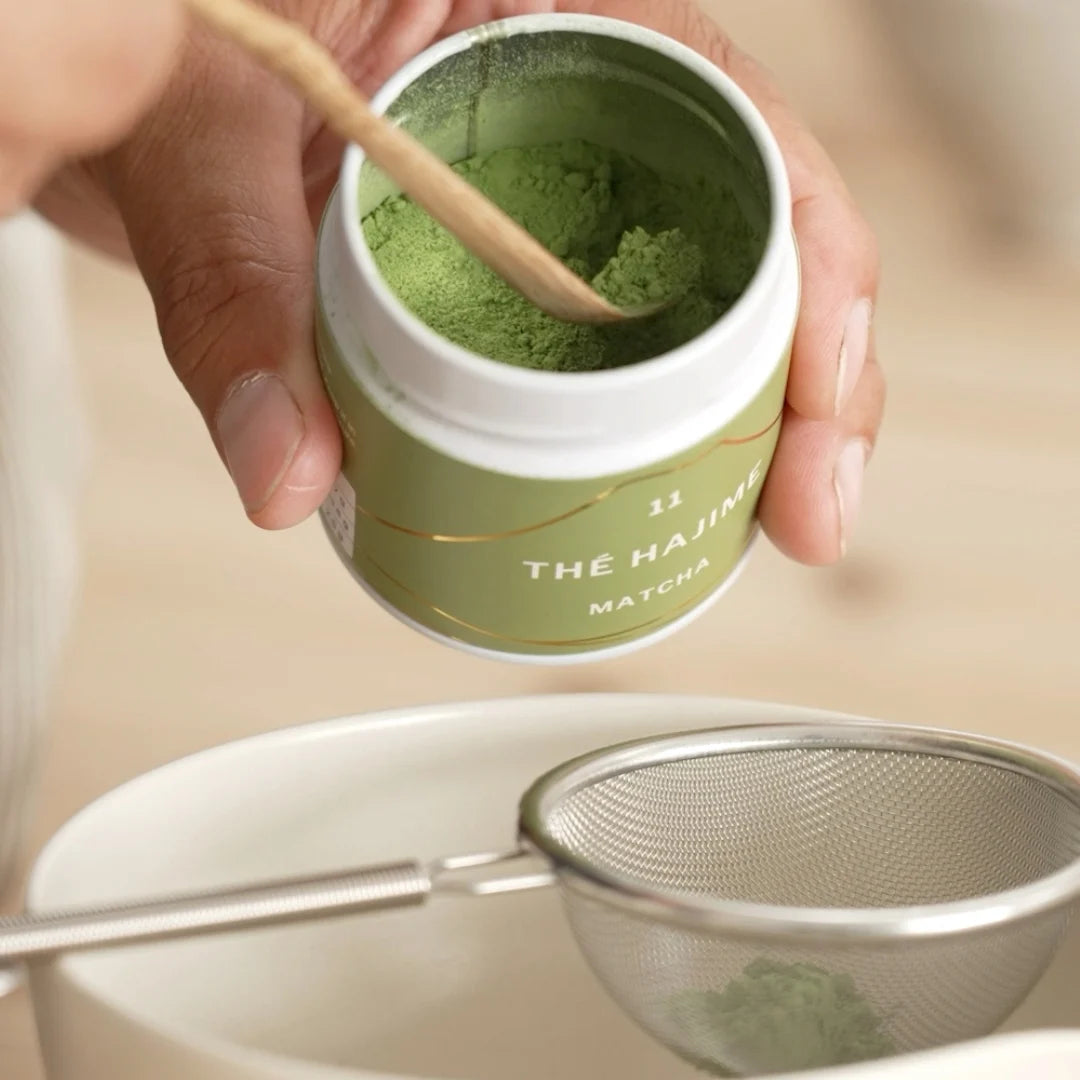
02
Put the Matcha
Place your chawan and sieve on a scale and set it to zero. Add the desired amount of matcha for a precise dose.
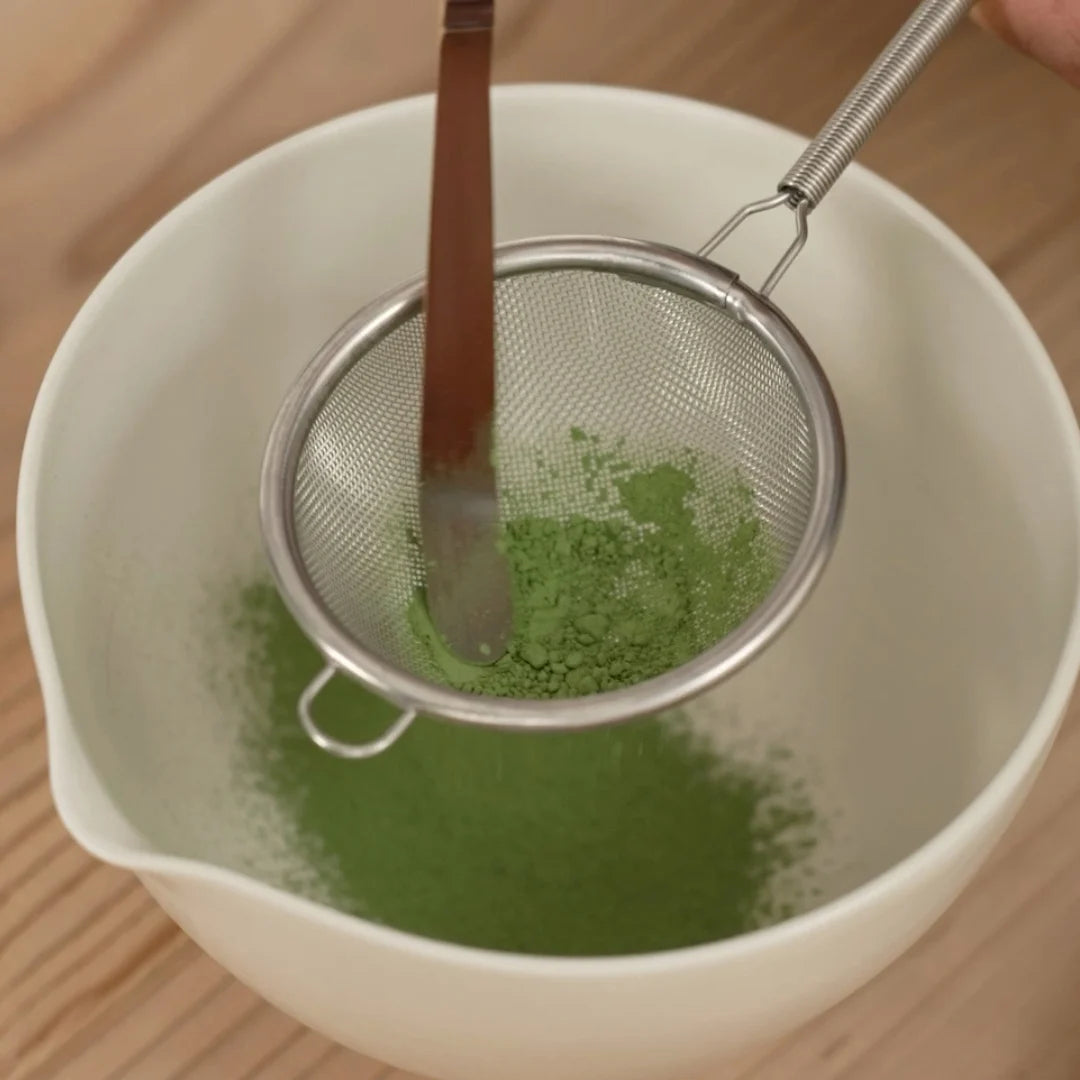
03
Sift the Matcha
Gently pass the matcha through a fine sieve into the bowl. This step removes any clumps, allowing the powder to blend evenly and creating a smoother, more refined texture.
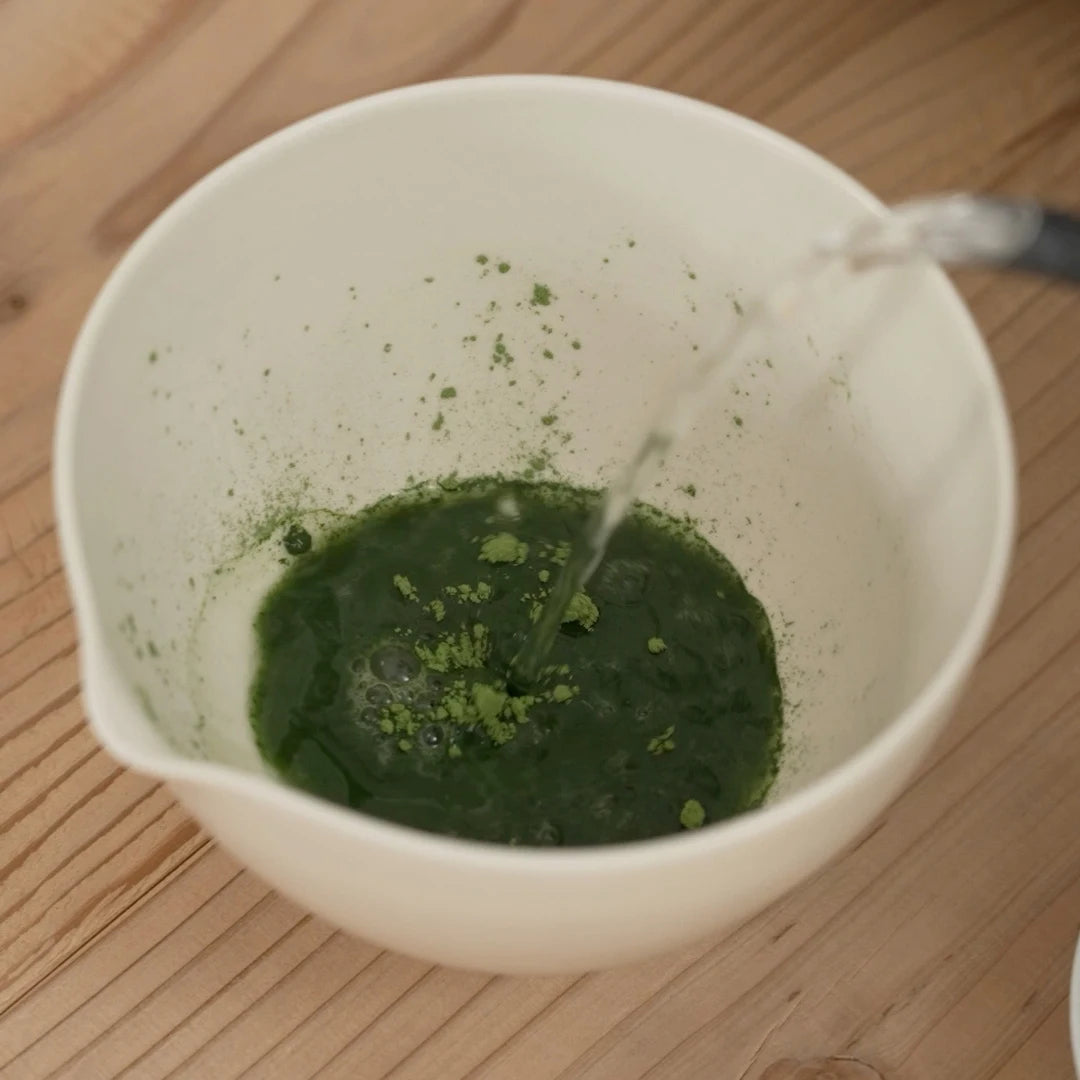
04
Add Hot Water
Pour water into the bowl, following the recommended temperature and quantity for your matcha. Using the right balance ensures the tea reveals its full aroma, texture, and depth.
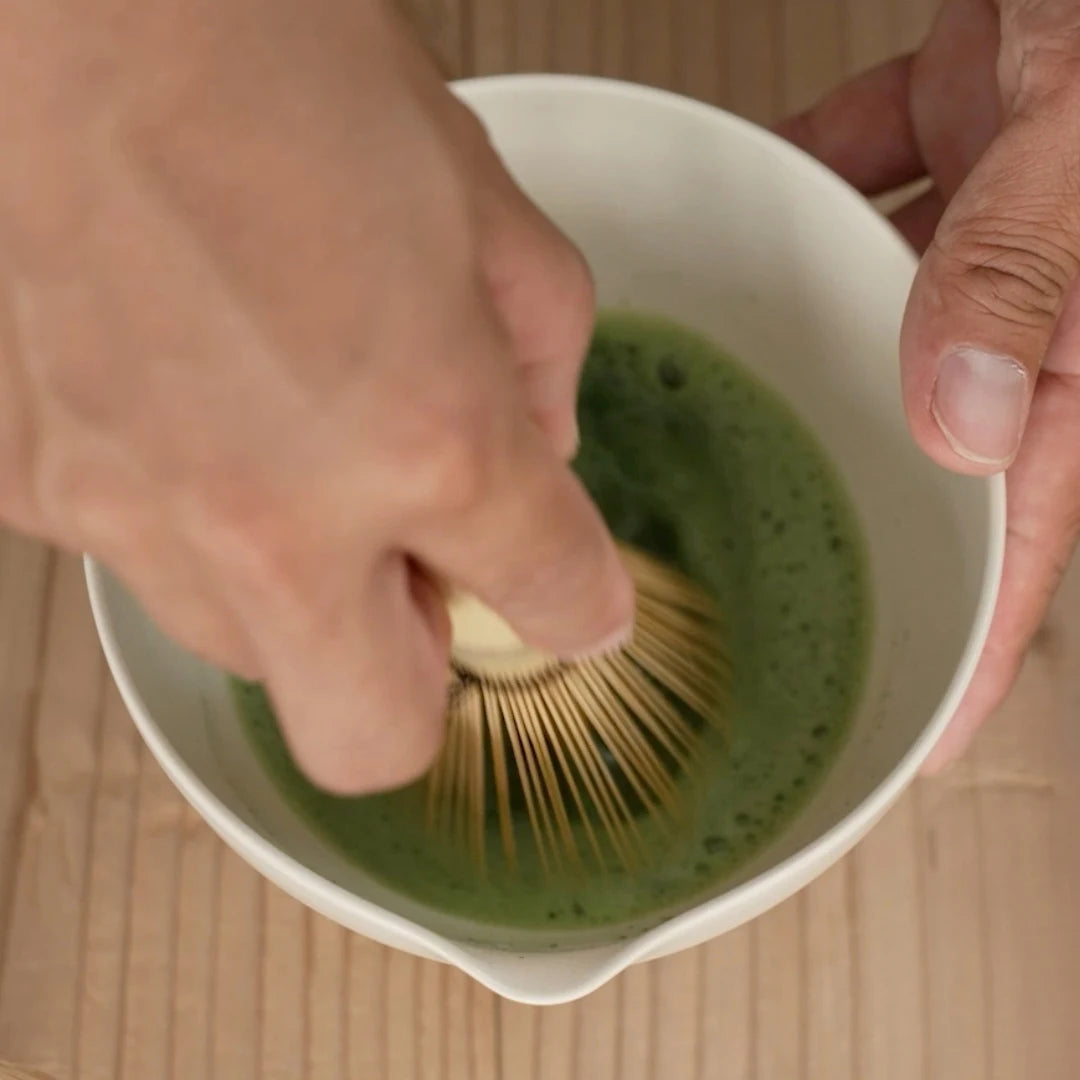
05
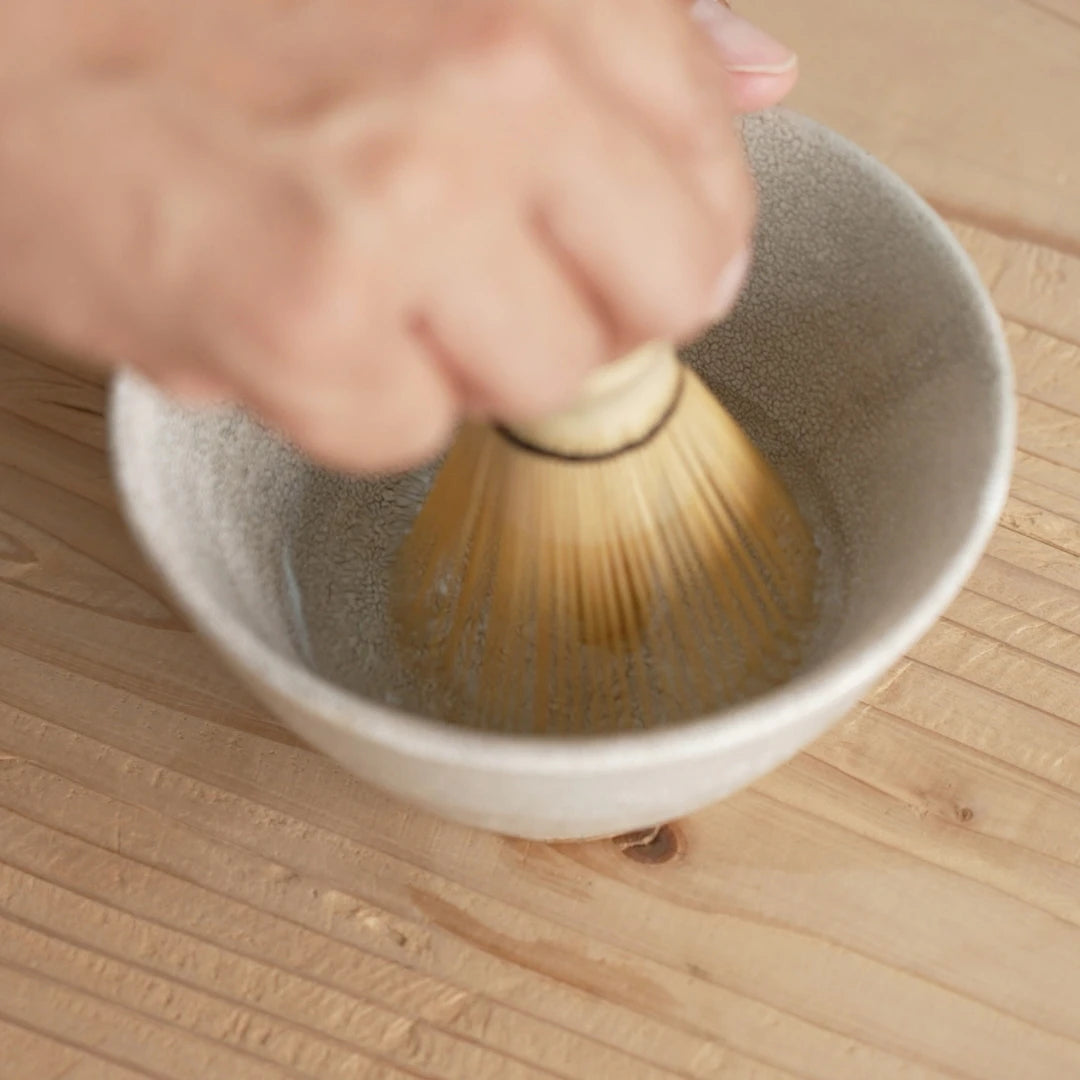
Whisk the Matcha
Using your chasen, whisk the matcha with gentle W or M-shaped motions until a fine, even froth forms on the surface. Finish with a slow circular movement to smooth the texture and refine the foam.

06
Enjoy your Matcha
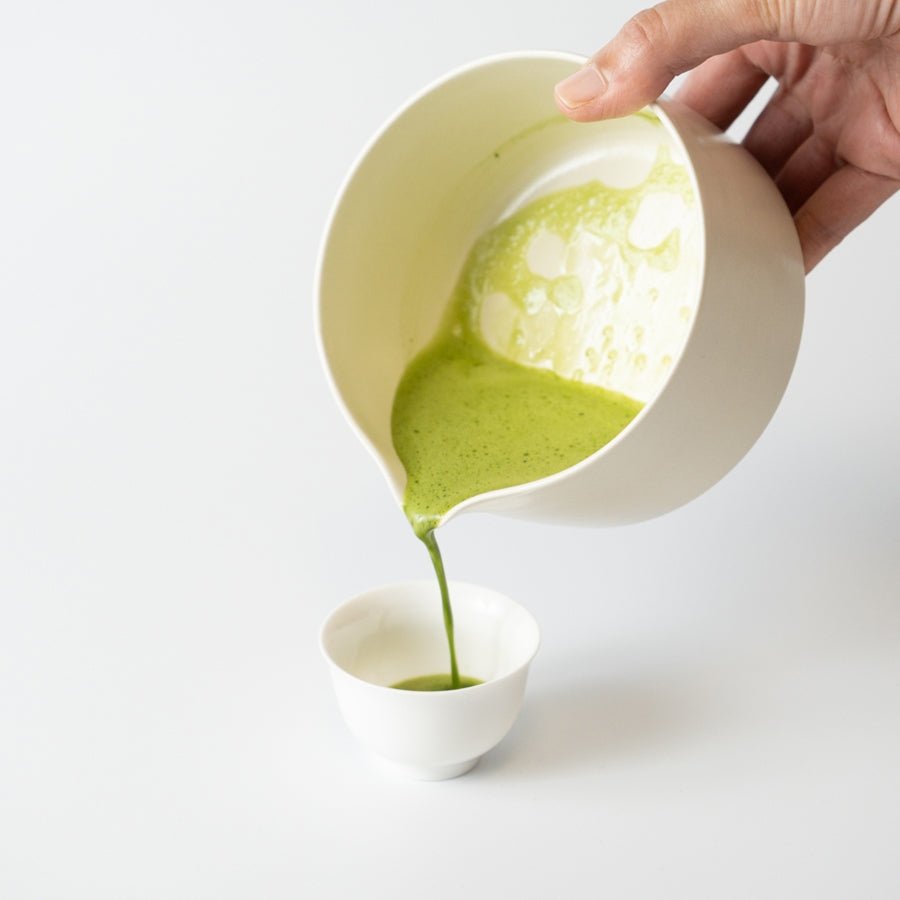
Enjoy your matcha directly from the chawan, appreciating its texture and aroma. Alternatively, pour it into milk to create a smooth and comforting matcha latte.
FAQs
What is Kutani Ware?
Kutani ware is a traditional ceramic from Ishikawa Prefecture, supported by local materials such as Hanasaka ceramic stone. While this piece does not feature the typical overglaze decoration, it is rooted in the same regional material tradition.
Can I use this bowl for preparing other tea powders?
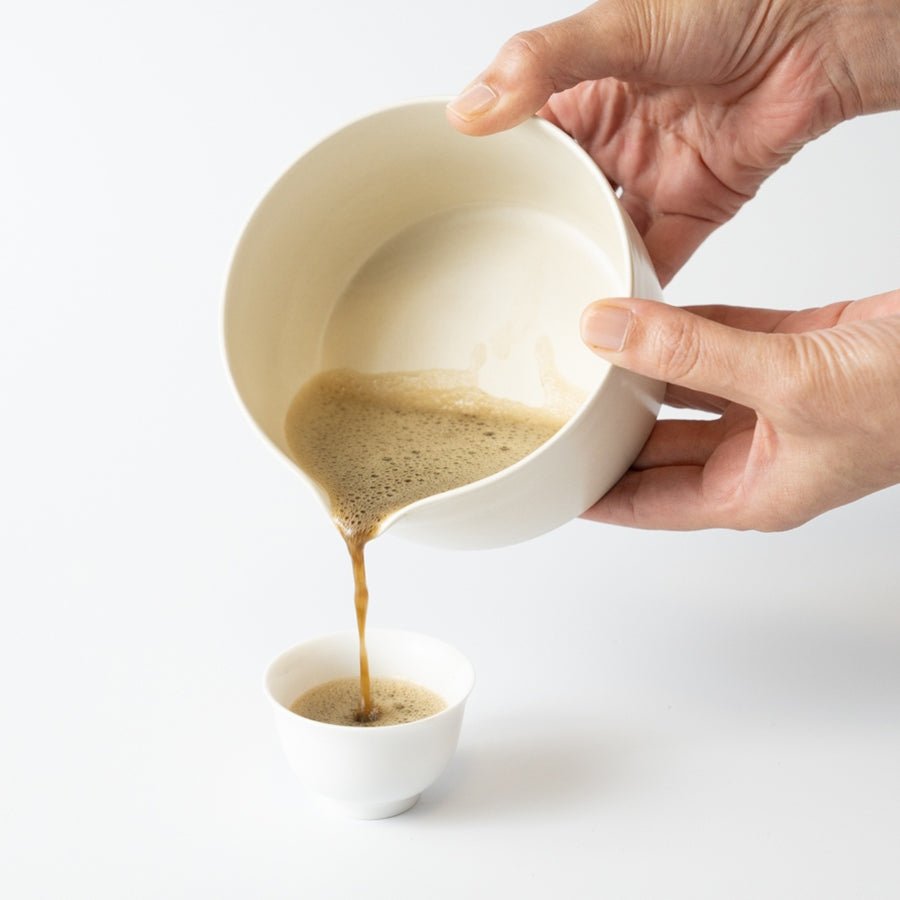
Yes. With its 300 ml capacity and open shape, this chawan offers ample space for primarily whisking matcha but also any other tea powder, such as Hojicha or Genmaicha.
Is each piece identical?
No. As each chawan is handmade, slight variations in shape, tone, and texture may occur. These differences are part of the character and uniqueness of each piece.
How should I care for this Chawan?
We recommend gentle hand washing (with water only) and avoiding sudden temperature changes. With proper care, the piece will develop a deeper character over time.
The Perfect Chawan Deserves the Best Tea
Our Tea Powders
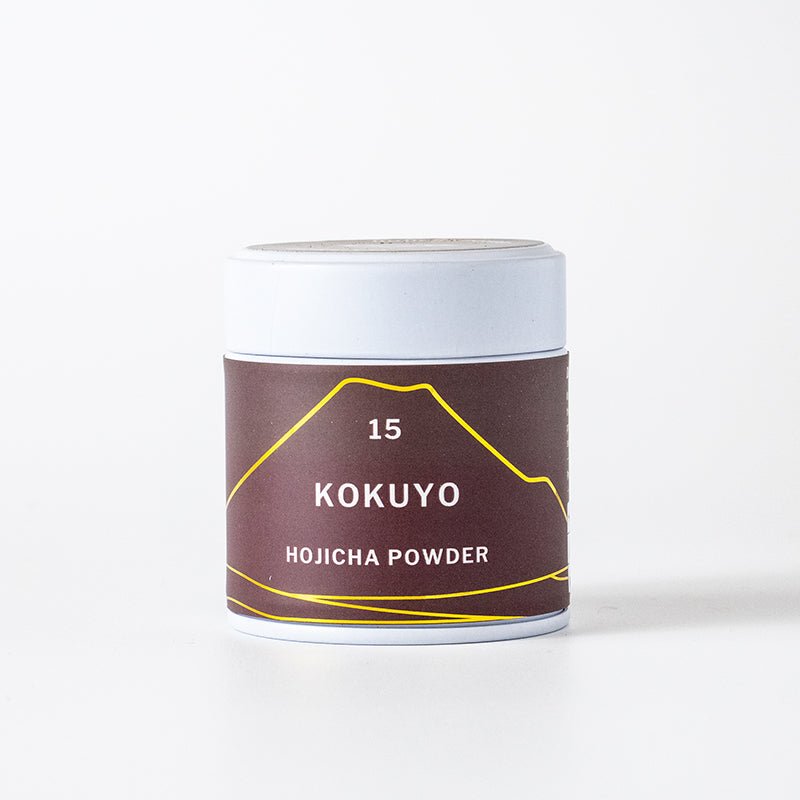
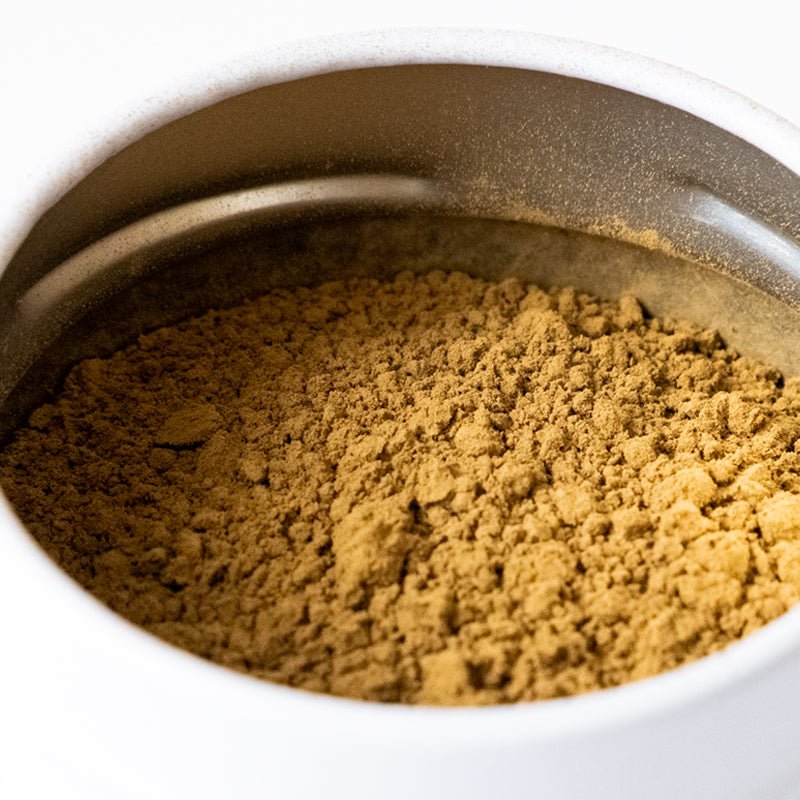

First Flush

Production

Per Serving

Type

Cultivar

Process
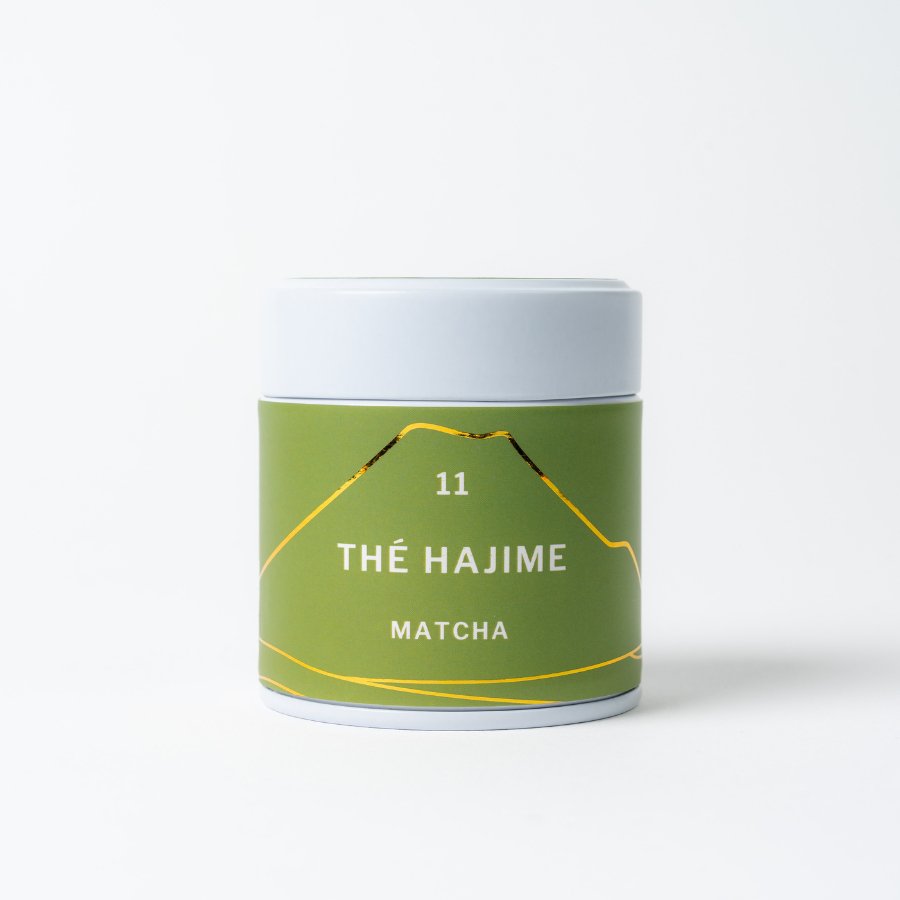
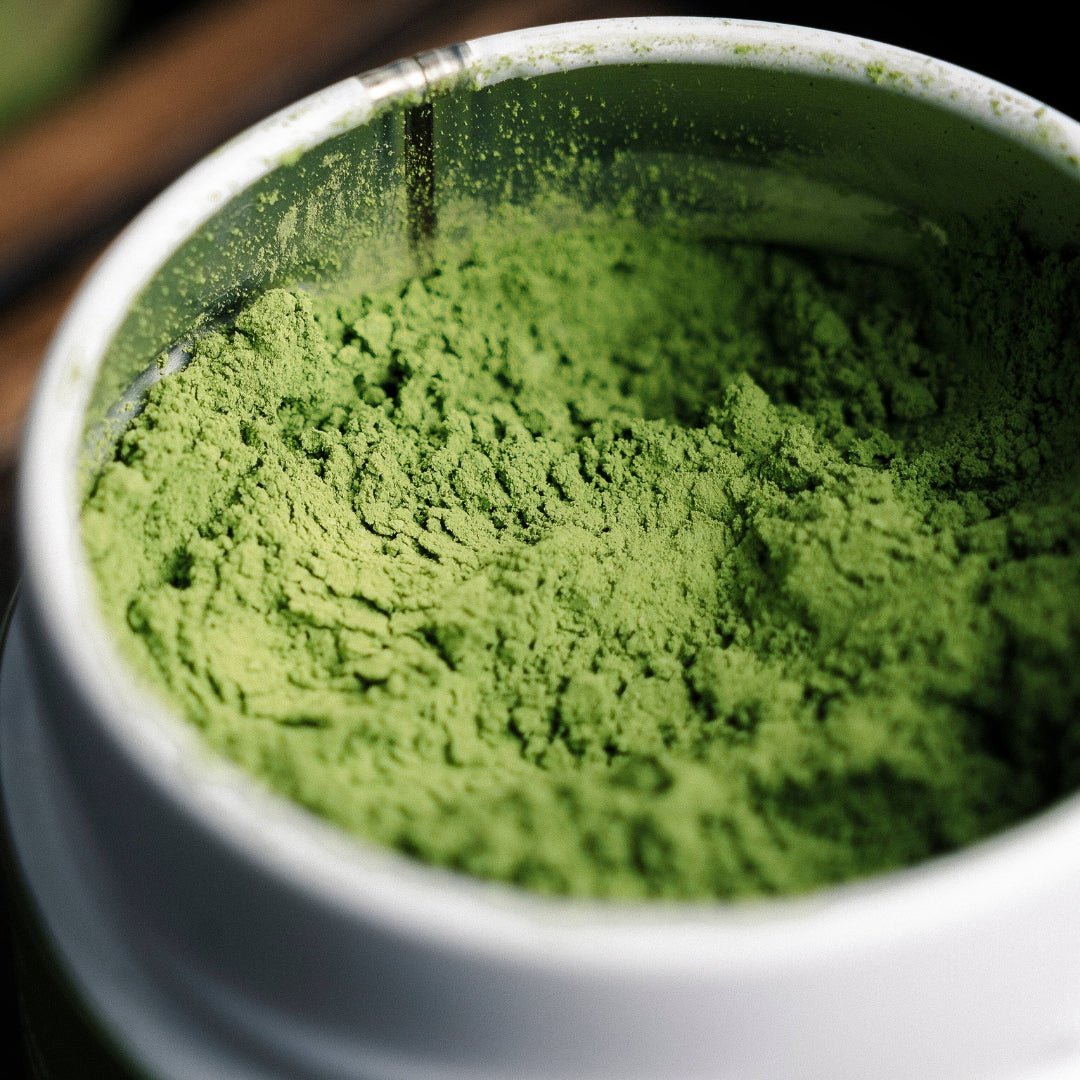
First Flush

Blend From

Per Serving
Type