




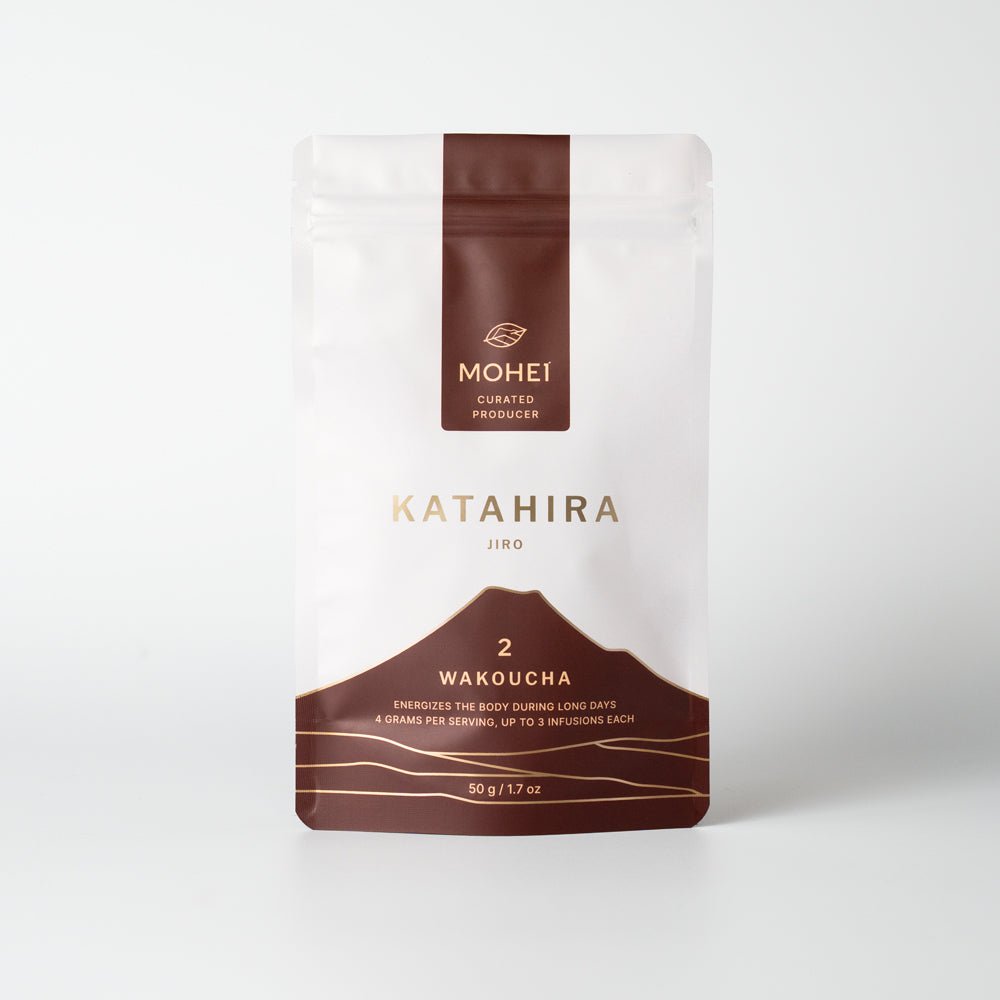
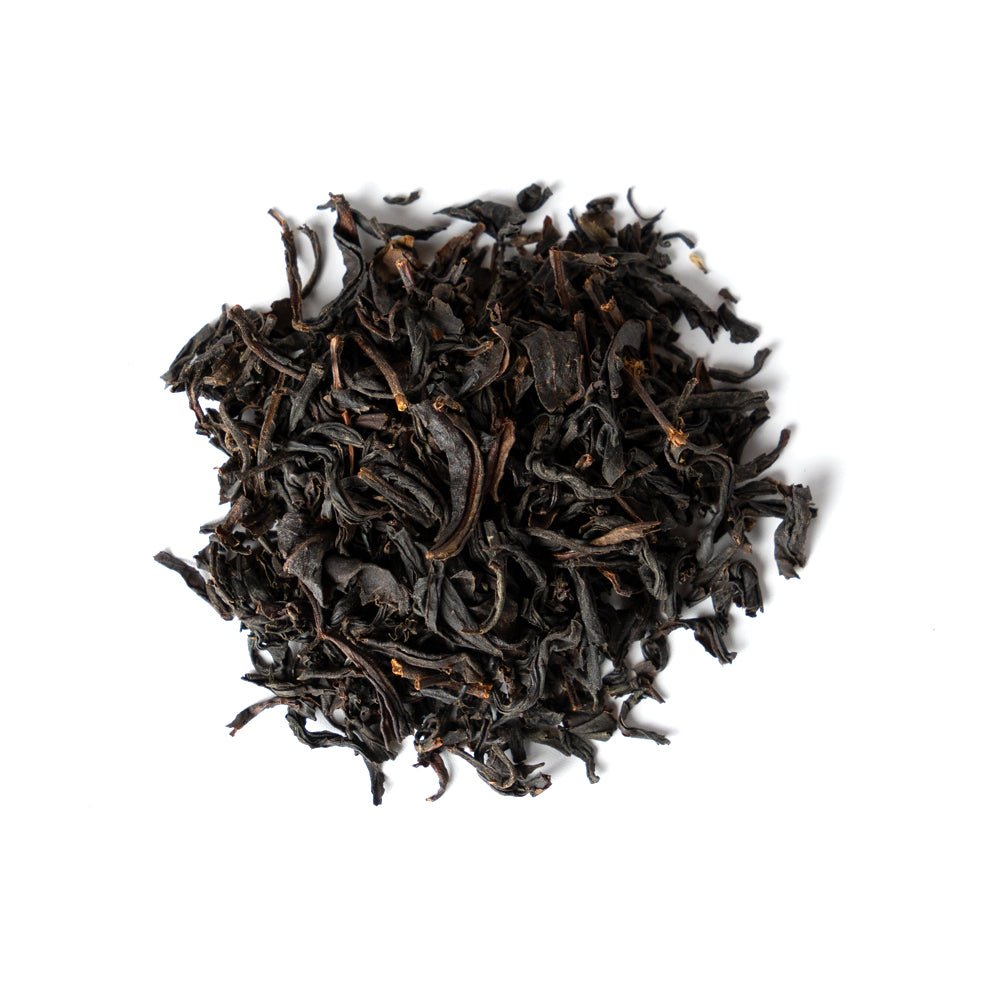
What is Wakoucha?
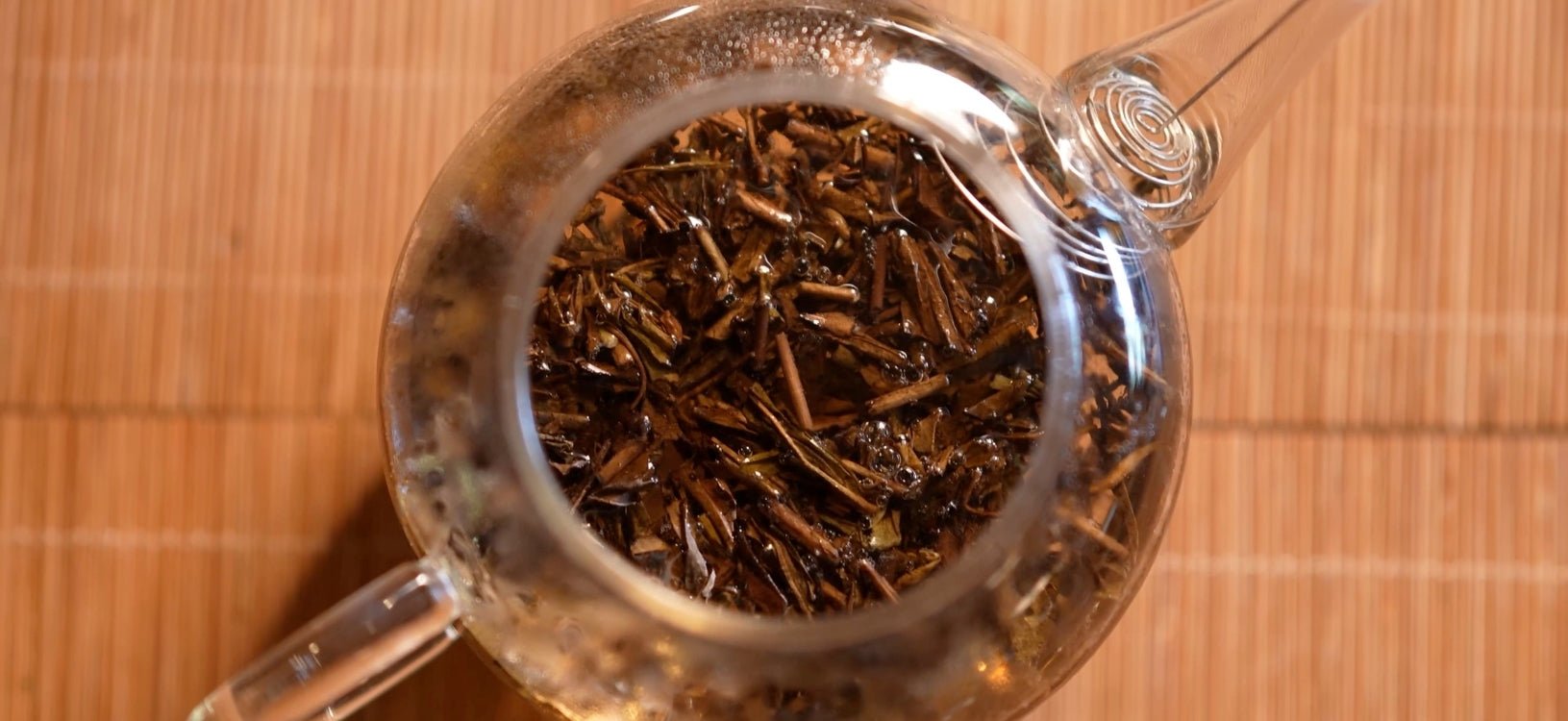
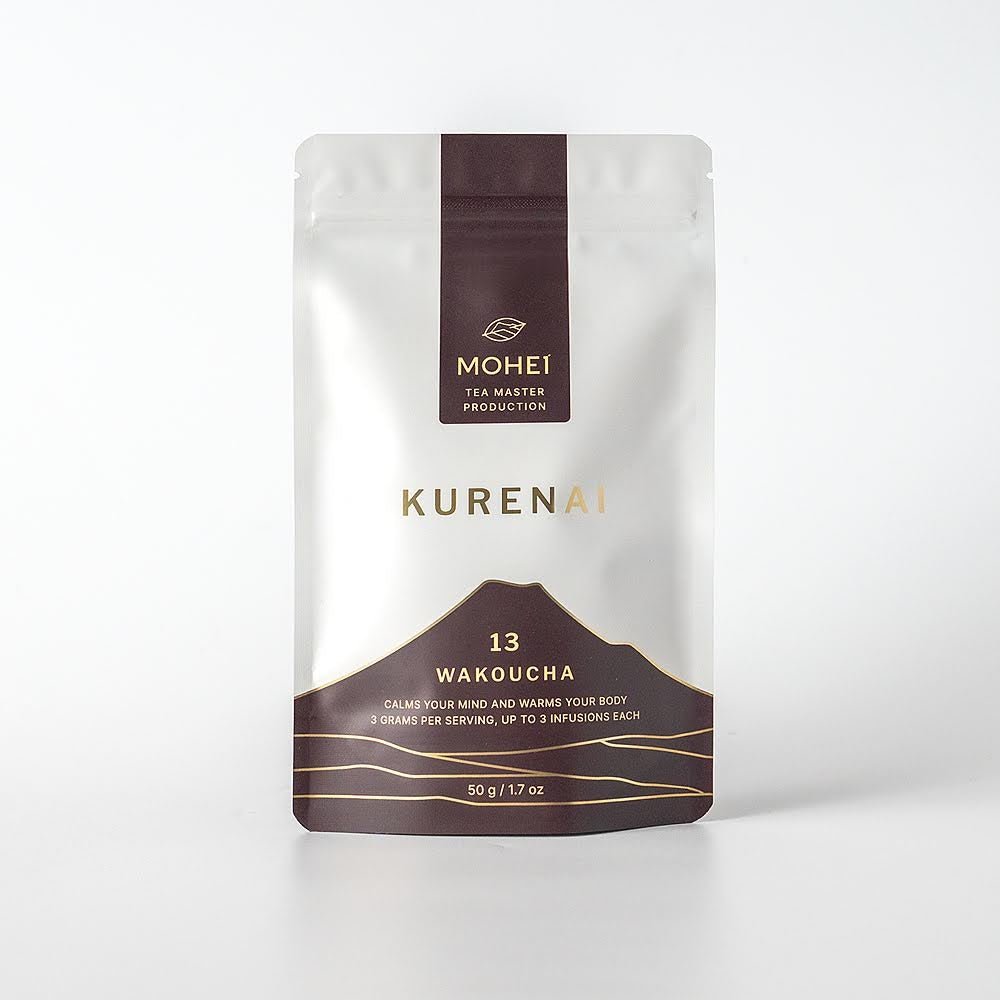
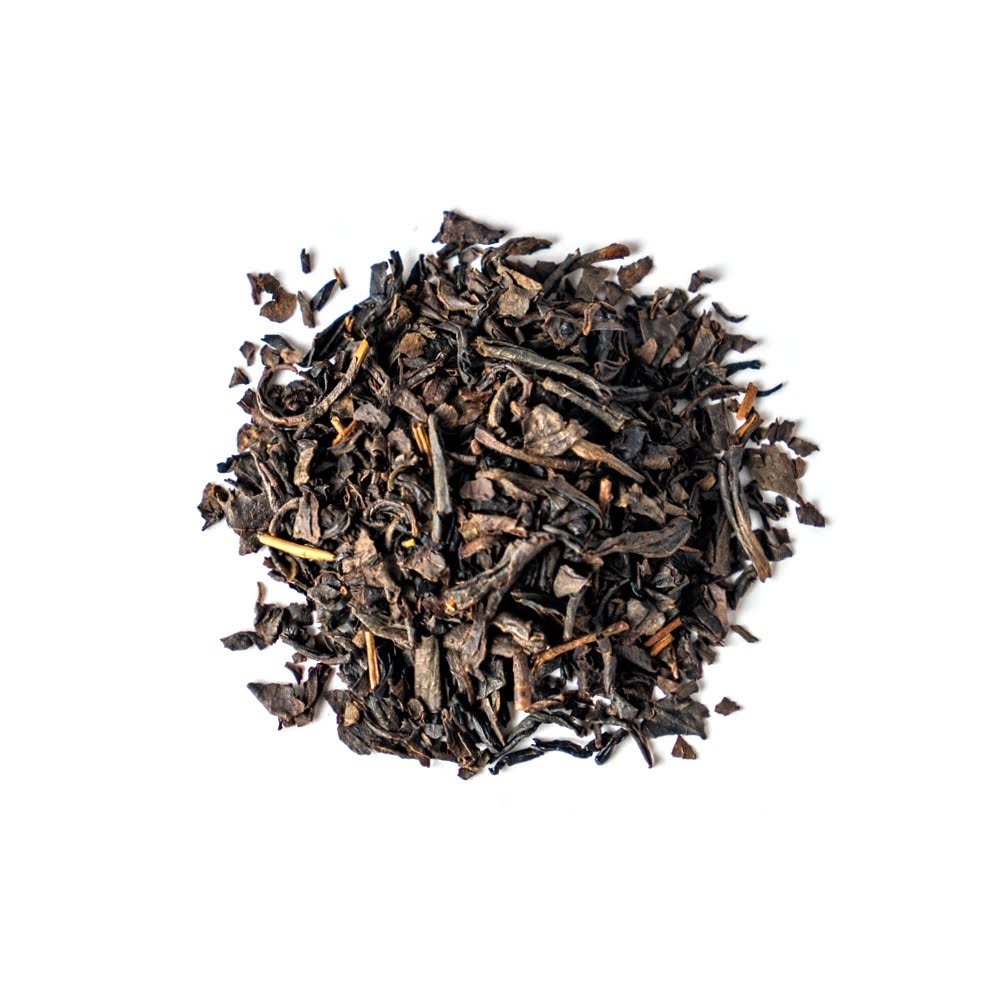
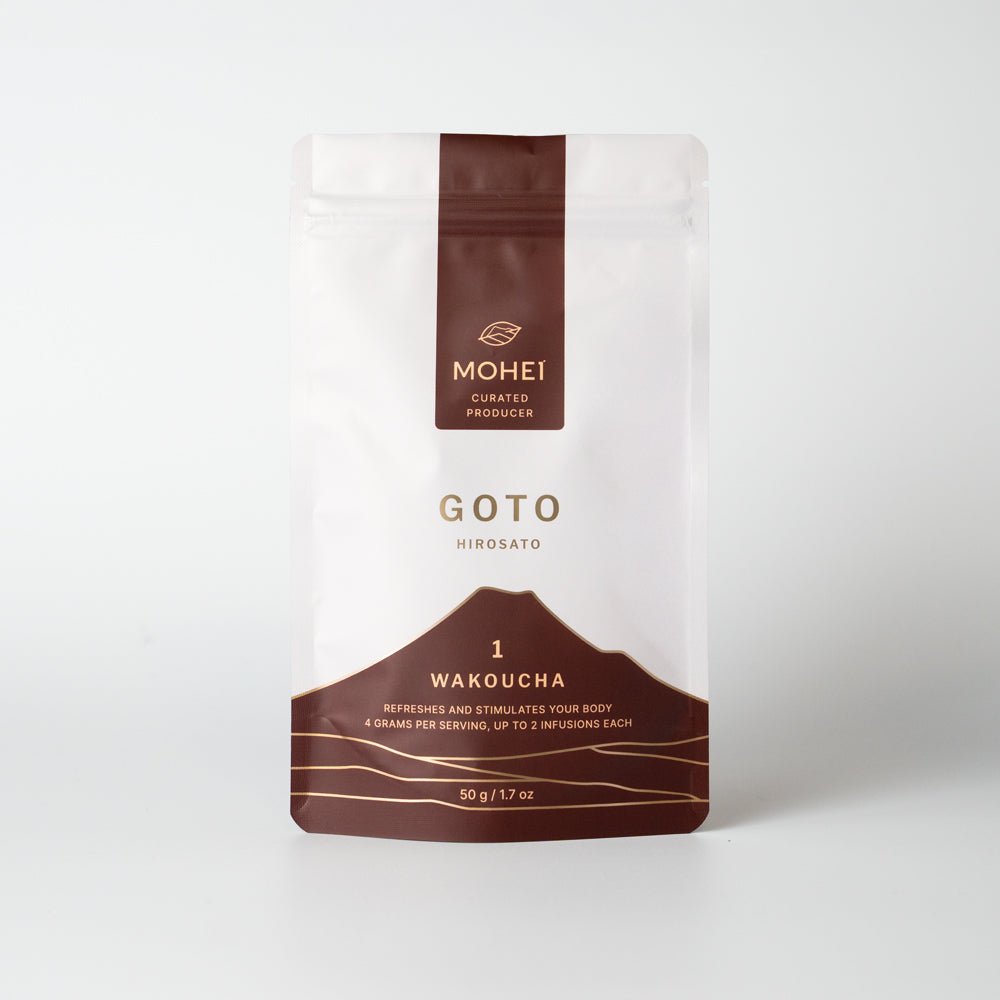
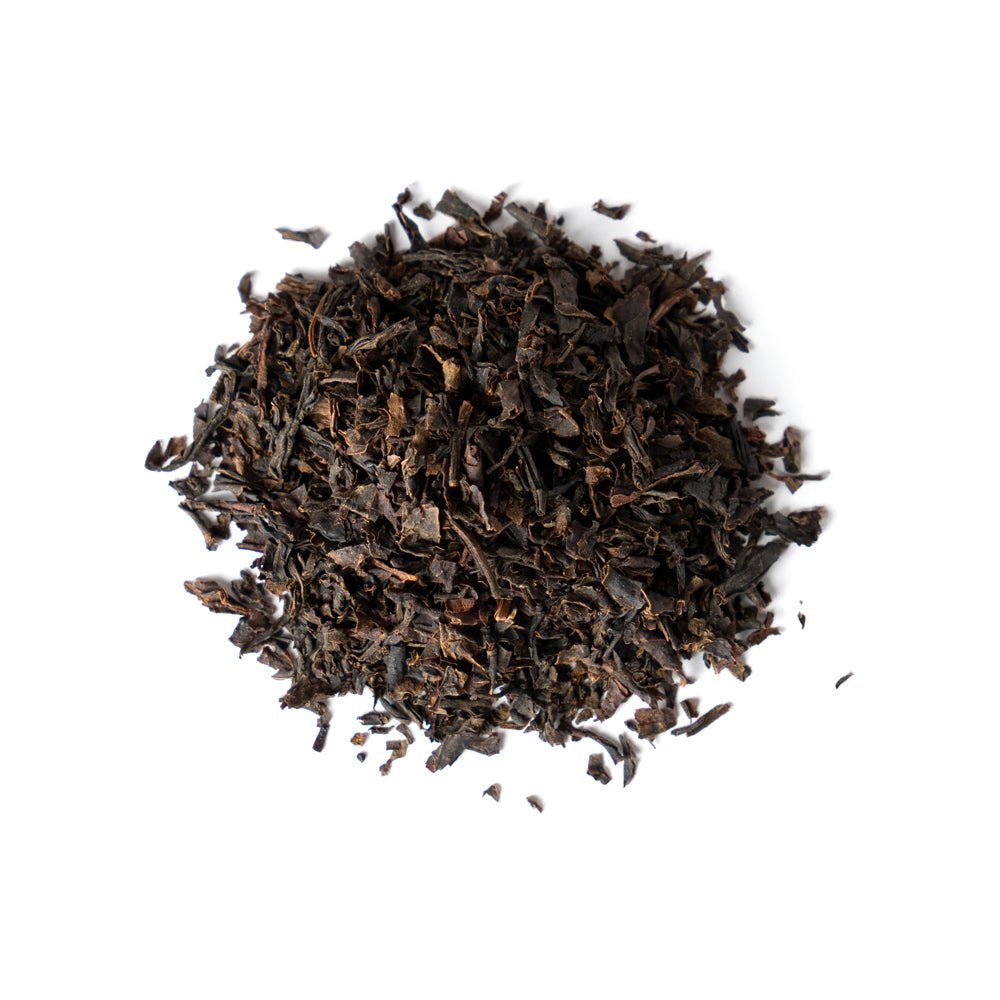
Japanese black tea, known as Wakoucha, is a rare and refined expression of Japan’s tea craftsmanship. Unlike the bold and tannic black teas traditionally produced in India or China, Wakoucha is celebrated for its naturally smooth character and delicate sweetness.
The name Wakoucha literally means “Japanese red tea,” referring to the amber hue of the brewed liquor. Many producers craft Wakoucha using cultivars originally developed for green tea, such as Yabukita, resulting in a cup that is lighter, more aromatic, and less astringent than most black teas. This unique balance makes Japanese black tea particularly elegant and approachable.

How is Wakoucha Produced?
Japanese black tea is produced through a careful process of withering, rolling, oxidation, and drying. After harvesting, the leaves are first withered to reduce moisture and prepare them for shaping. The leaves are then gently rolled to break the cell structure, allowing natural enzymes to interact with oxygen.
This oxidation process transforms the fresh green leaves into the deep amber character associated with black tea, while developing complex aromas. Finally, the leaves are dried to stabilize the tea and preserve its fragrance. Japanese producers often adapt these traditional methods to local cultivars, creating black teas that are softer and more aromatic than many international styles.

Wakoucha Flavor Profile
Japanese black teas are prized for their smooth texture and refined aromatic profile. Depending on the cultivar and production style, Wakoucha can reveal notes of honey, dried fruit, apple, caramel, or gentle floral tones.
Compared with many black teas from other parts of the world, Japanese black tea tends to be naturally sweeter and lower in bitterness, making it exceptionally easy to drink. Its balanced structure allows it to be enjoyed both on its own or paired with food, where its subtle complexity complements pastries, desserts, and light savory dishes.
FAQs
Where is Japanese black tea produced?
Japanese black tea is produced in several tea-growing regions across Japan, including Shizuoka, Kagoshima, and Nara. These areas provide the climate and soil conditions that allow producers to craft small-batch Wakoucha with distinctive regional character.
How should Japanese black tea be brewed?
In general, Japanese black tea is best brewed with water around 90–95°C for about two to three minutes. This method allows the leaves to fully express their natural sweetness and aromatic complexity while maintaining a smooth and balanced cup.
You can find the best brewing guidelines on each page of our Japanese black tea.
Does Japanese black tea contain caffeine?
Yes, Japanese black tea naturally contains caffeine, though its effect is generally smoother than coffee due to the presence of L-theanine.
Wakoucha tends to feel gentler than many strong black teas, offering steady focus without the abrupt stimulation often associated with coffee.
Is Japanese black tea different from other black teas?
Yes. Wakoucha is typically softer and naturally sweeter than many black teas produced in other countries.
Because it is often made from cultivars originally developed for green tea, it produces a smoother cup with lighter tannins and delicate aromatic notes.
What food pair well with Japanese black tea?
Japanese black tea pairs beautifully with pastries, desserts, and light savory dishes. Its smooth body and natural sweetness complement cakes, scones, fruit-based desserts, and even mild cheeses without overpowering their flavors.
Produced & Curated by Mohei Tea
Mohei Tea works directly with dedicated producers across Japan to curate teas that reflect the craftsmanship, terroir, and traditions of Japanese tea culture. In a time when many local farmers face increasing pressure and uncertainty, our mission is to help them thrive by bringing their work to tea lovers around the world. Through careful selection led by Tea Master Mohei, we commit to offering only exceptional teas that embody the highest standards of quality and authenticity.