



20 商品

Harvest.png__PID:f0fd8a6e-b04a-4133-994b-9c8e73ca736b
2025

一番茶

Loose Leaves.png__PID:8a6eb04a-a133-494b-9c8e-73ca736bdc5a
茶葉

種類

発酵
発酵

製法

Shizuoka.png__PID:a133194b-9c8e-43ca-b36b-dc5af8480598
静岡

産地

Mohei Product Icon Tea.png__PID:5827fd24-4d8e-47f1-92e6-d0d30e817770
日本

産地

Harvest.png__PID:f0fd8a6e-b04a-4133-994b-9c8e73ca736b
2024

一番茶

Mohei Product Icon Tea.png__PID:5827fd24-4d8e-47f1-92e6-d0d30e817770
日本

産地

浅蒸し
浅蒸し

蒸し製法

Loose Leaves.png__PID:8a6eb04a-a133-494b-9c8e-73ca736bdc5a
茶葉

種類

Shizuoka.png__PID:a133194b-9c8e-43ca-b36b-dc5af8480598
静岡

産地

Serving.png__PID:ff270e1a-5116-4b7c-a899-fd2b931fd5ed
3煎まで

抽出回数

Harvest.png__PID:f0fd8a6e-b04a-4133-994b-9c8e73ca736b
2024

一番茶

Shizuoka.png__PID:a133194b-9c8e-43ca-b36b-dc5af8480598
静岡

産地

Serving.png__PID:ff270e1a-5116-4b7c-a899-fd2b931fd5ed
5煎まで

抽出回数

Loose Leaves.png__PID:8a6eb04a-a133-494b-9c8e-73ca736bdc5a
茶葉

種類

All type of tea.png__PID:0b168339-e77c-4ac4-a4b2-72240086e9e0
やぶきた

品種

焙煎
焙煎

製法

Harvest.png__PID:f0fd8a6e-b04a-4133-994b-9c8e73ca736b
2025

一番茶

Loose Leaves.png__PID:8a6eb04a-a133-494b-9c8e-73ca736bdc5a
茶葉

種類

焙煎
焙煎

製法

Shizuoka.png__PID:a133194b-9c8e-43ca-b36b-dc5af8480598
静岡

産地

Mohei Product Icon Tea.png__PID:5827fd24-4d8e-47f1-92e6-d0d30e817770
日本

産地

5.0
Harvest.png__PID:f0fd8a6e-b04a-4133-994b-9c8e73ca736b
2024

一番茶

Shizuoka.png__PID:a133194b-9c8e-43ca-b36b-dc5af8480598
静岡

産地

Serving.png__PID:ff270e1a-5116-4b7c-a899-fd2b931fd5ed
3煎まで

抽出回数

Loose Leaves.png__PID:8a6eb04a-a133-494b-9c8e-73ca736bdc5a
茶葉

種類

4.7
Harvest.png__PID:f0fd8a6e-b04a-4133-994b-9c8e73ca736b
2024

一番茶

Shizuoka.png__PID:a133194b-9c8e-43ca-b36b-dc5af8480598
静岡

産地

Serving.png__PID:ff270e1a-5116-4b7c-a899-fd2b931fd5ed
3煎まで

抽出回数

Loose Leaves.png__PID:8a6eb04a-a133-494b-9c8e-73ca736bdc5a
茶葉

種類

浅蒸し
浅蒸し

蒸し製法

Harvest.png__PID:f0fd8a6e-b04a-4133-994b-9c8e73ca736b
2024

一番茶

Shizuoka.png__PID:a133194b-9c8e-43ca-b36b-dc5af8480598
静岡

産地

Serving.png__PID:ff270e1a-5116-4b7c-a899-fd2b931fd5ed
2煎まで

抽出回数

Loose Leaves.png__PID:8a6eb04a-a133-494b-9c8e-73ca736bdc5a
茶葉

種類

5.0
Harvest.png__PID:f0fd8a6e-b04a-4133-994b-9c8e73ca736b
2024

一番茶

Shizuoka.png__PID:a133194b-9c8e-43ca-b36b-dc5af8480598
静岡

産地

Serving.png__PID:ff270e1a-5116-4b7c-a899-fd2b931fd5ed
3煎まで

抽出回数

Loose Leaves.png__PID:8a6eb04a-a133-494b-9c8e-73ca736bdc5a
茶葉

種類

浅蒸し
浅蒸し

蒸し製法

5.0

N°5 星月夜

¥4,104
Harvest.png__PID:f0fd8a6e-b04a-4133-994b-9c8e73ca736b
2025

一番茶

Shizuoka.png__PID:a133194b-9c8e-43ca-b36b-dc5af8480598
静岡

産地

Serving.png__PID:ff270e1a-5116-4b7c-a899-fd2b931fd5ed
3煎まで

抽出回数

Loose Leaves.png__PID:8a6eb04a-a133-494b-9c8e-73ca736bdc5a
茶葉

種類

All type of tea.png__PID:0b168339-e77c-4ac4-a4b2-72240086e9e0
やぶきた

品種

中蒸し
中蒸し

蒸し製法

4.0

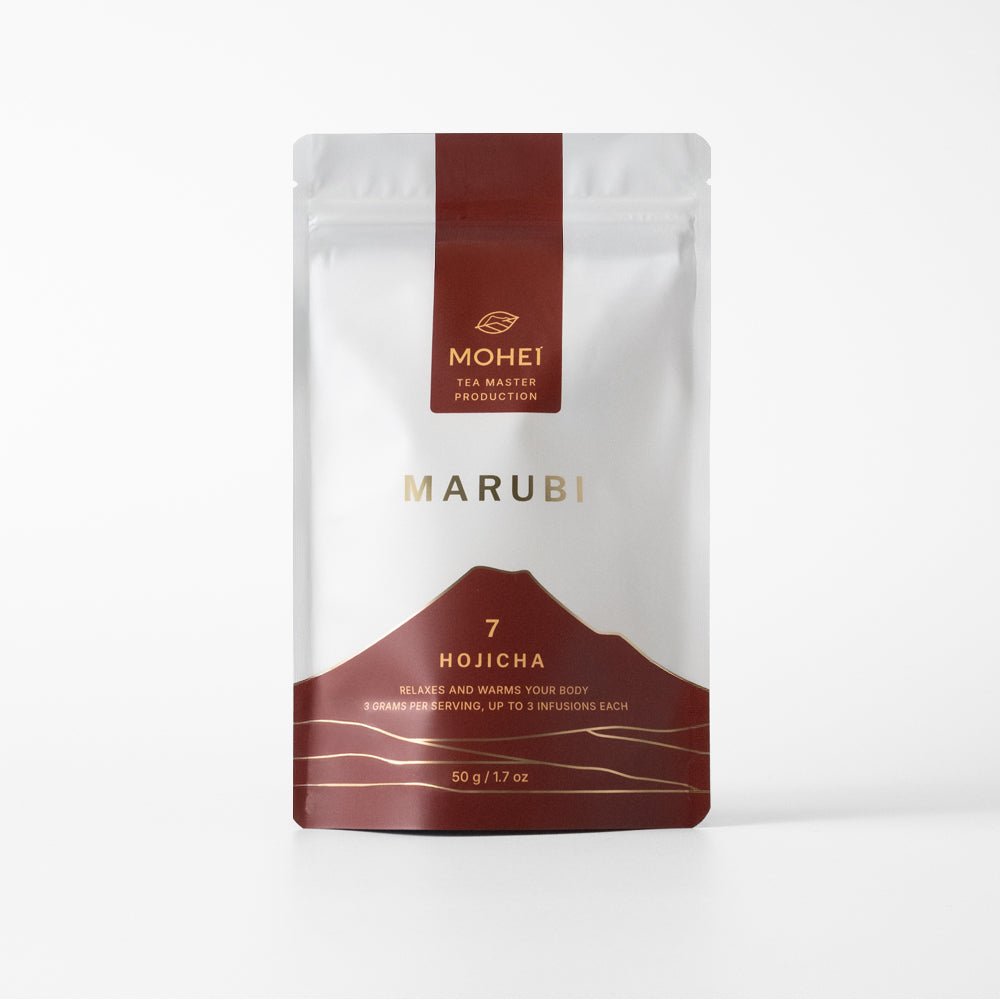
N°7 丸火

¥3,348
Harvest.png__PID:f0fd8a6e-b04a-4133-994b-9c8e73ca736b
2024

一番茶

Shizuoka.png__PID:a133194b-9c8e-43ca-b36b-dc5af8480598
静岡

産地

Serving.png__PID:ff270e1a-5116-4b7c-a899-fd2b931fd5ed
3煎まで

抽出回数

Loose Leaves.png__PID:8a6eb04a-a133-494b-9c8e-73ca736bdc5a
茶葉

種類

All type of tea.png__PID:0b168339-e77c-4ac4-a4b2-72240086e9e0
やぶきた

品種

焙煎
焙煎

製法

5.0

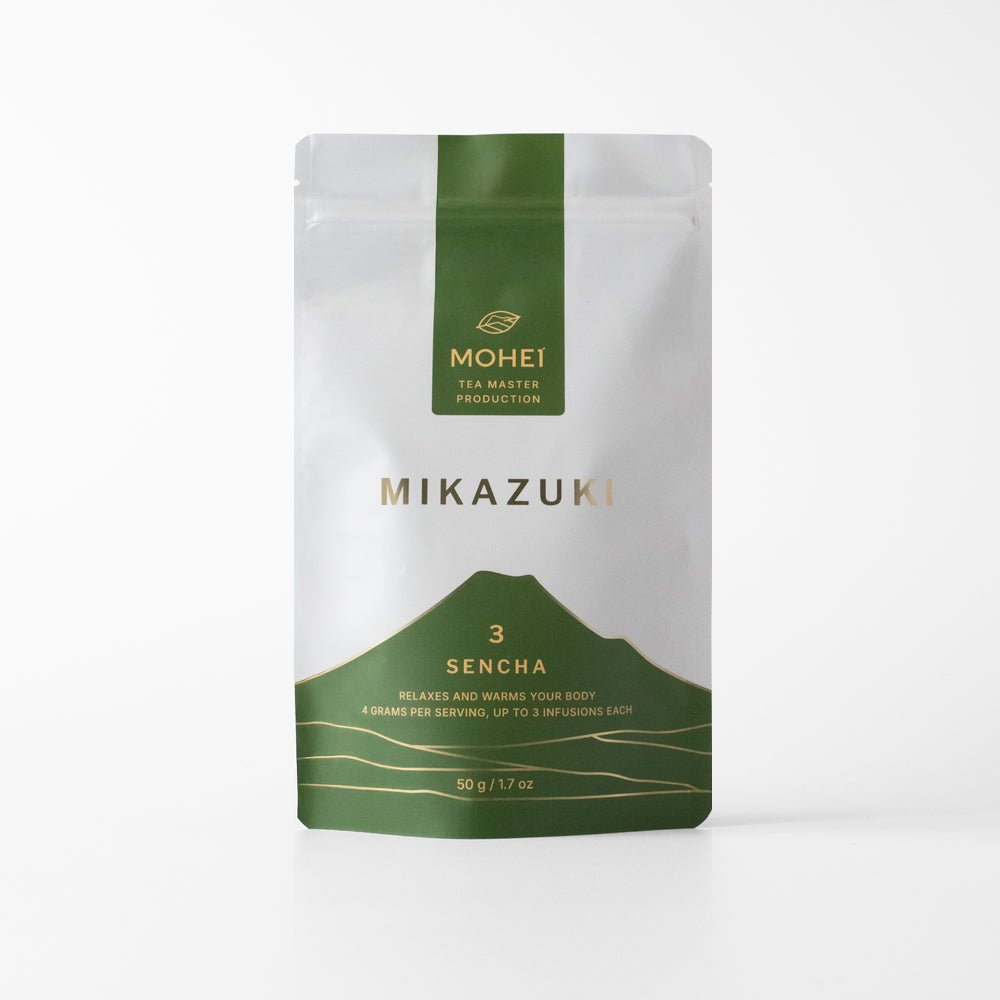
N°1 御来光

¥3,888
Harvest.png__PID:f0fd8a6e-b04a-4133-994b-9c8e73ca736b
2020

一番茶

Shizuoka.png__PID:a133194b-9c8e-43ca-b36b-dc5af8480598
静岡

産地

Serving.png__PID:ff270e1a-5116-4b7c-a899-fd2b931fd5ed
5煎まで

抽出回数

Loose Leaves.png__PID:8a6eb04a-a133-494b-9c8e-73ca736bdc5a
茶葉

種類

All type of tea.png__PID:0b168339-e77c-4ac4-a4b2-72240086e9e0
つゆひかり

品種

中蒸し
中蒸し

蒸し製法

5.0
Harvest.png__PID:f0fd8a6e-b04a-4133-994b-9c8e73ca736b
2025

一番茶

Shizuoka.png__PID:a133194b-9c8e-43ca-b36b-dc5af8480598
静岡

産地

Serving.png__PID:ff270e1a-5116-4b7c-a899-fd2b931fd5ed
3煎まで

抽出回数

Loose Leaves.png__PID:8a6eb04a-a133-494b-9c8e-73ca736bdc5a
茶葉

種類

All type of tea.png__PID:0b168339-e77c-4ac4-a4b2-72240086e9e0
やぶきた

品種

中蒸し
中蒸し

蒸し製法

Tea Leaf Mohei.jpg__PID:b89c5b78-c5f2-4b41-b5d3-35c585edef64

Our Single Origin Definition

Single origin Japanese tea refers to tea produced from a specific farm, producer, or region, allowing the character of the place to fully express itself in the cup. Unlike blends, which combine teas from different sources, single origin teas highlight the unique qualities shaped by local soil, climate, cultivar, and the philosophy of the tea master who crafted them.

This approach offers a more transparent and authentic experience of Japanese tea, where each tea becomes a reflection of its environment and the expertise of the producer.

The Role of Terroir

Just like wine or coffee, Japanese tea is deeply influenced by its terroir. Factors such as altitude, soil composition, climate, and surrounding vegetation all shape the aroma and flavor of the leaves. Regions such as Shizuoka, Kagoshima, or Kyoto each produce teas with distinctive personalities.

By exploring single origin teas, drinkers can experience how these environmental conditions influence the final cup, revealing subtle differences in sweetness, umami, aroma, and texture.

The Craft Behind Them

Single origin teas are often produced in specific batches by dedicated tea masters who oversee every stage of cultivation and processing. From the careful management of the tea fields to the precise steaming, rolling, or roasting of the leaves, each decision contributes to the identity of the tea.

Because these teas are not blended with other sources, the producer’s craftsmanship and philosophy become even more visible, allowing each tea to express its unique story.

FAQs

What types of tea can be single origin?

Many Japanese teas can be produced as single origin teas, including sencha, gyokuro, hojicha, and wakoucha. What defines them as single origin is that they come from a single producer or location rather than being blended.

Are single origin Japanese tea better than blends?

Single origin teas are not necessarily better, but they offer a different experience. While blends focus on consistency and balance, single origin teas highlight the individuality of a specific place and the style of the tea master who produced them.

Why choose single origin Japanese tea?

Single origin teas allow drinkers to experience the authentic character of a specific tea garden or producer. Each tea reflects the influence of its terroir, cultivar, and production methods, offering a more transparent and distinctive tasting experience.

How do single origin teas differ in flavor?

Single origin Japanese teas can vary significantly depending on the region, cultivar, and production style. Factors such as soil composition, climate, and processing techniques influence the balance of sweetness, umami, aroma, and texture. This diversity allows tea drinkers to explore the subtle differences that make each producer’s tea unique.

Produced & Curated by Mohei Tea

Mohei Tea works directly with dedicated producers across Japan to curate teas that reflect the craftsmanship, terroir, and traditions of Japanese tea culture. In a time when many local farmers face increasing pressure and uncertainty, our mission is to help them thrive by bringing their work to tea lovers around the world. Through careful selection led by Tea Master Mohei, we commit to offering only exceptional teas that embody the highest standards of quality and authenticity.

About Us