
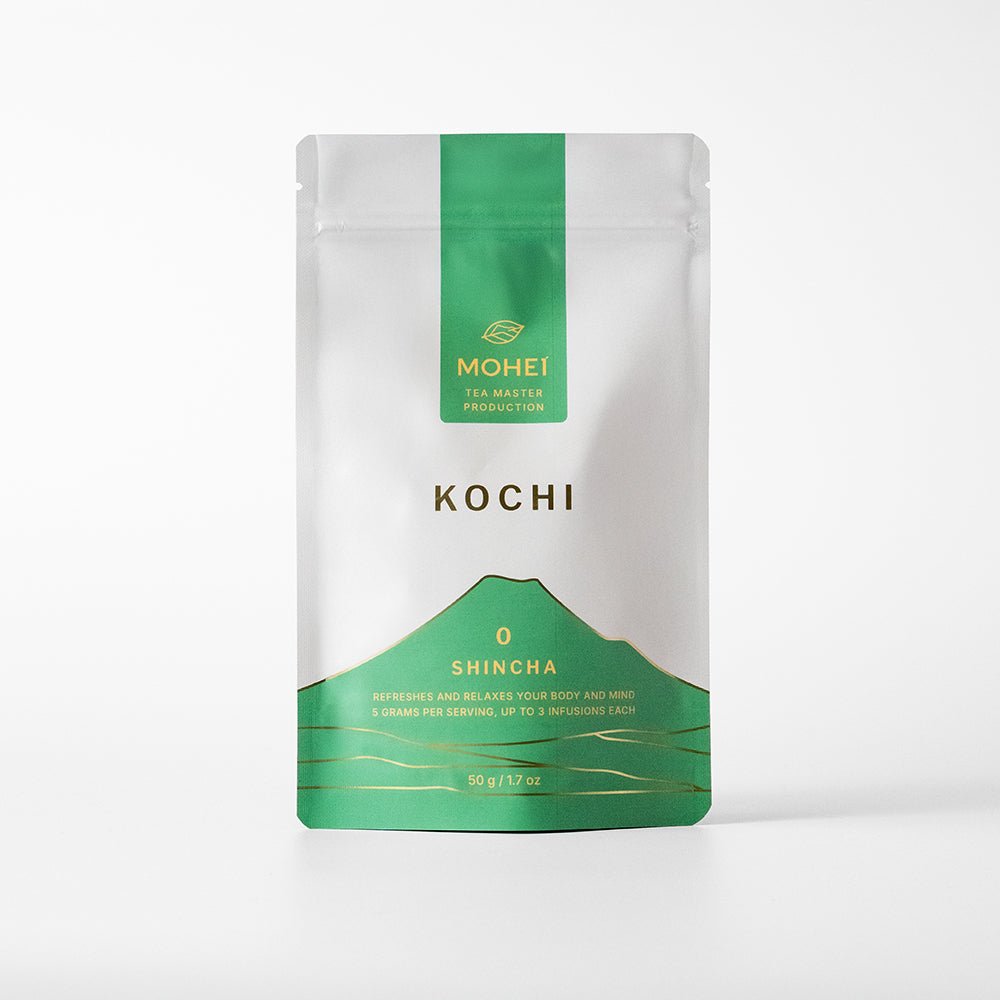
Nº0 Kochi | Shincha 2026
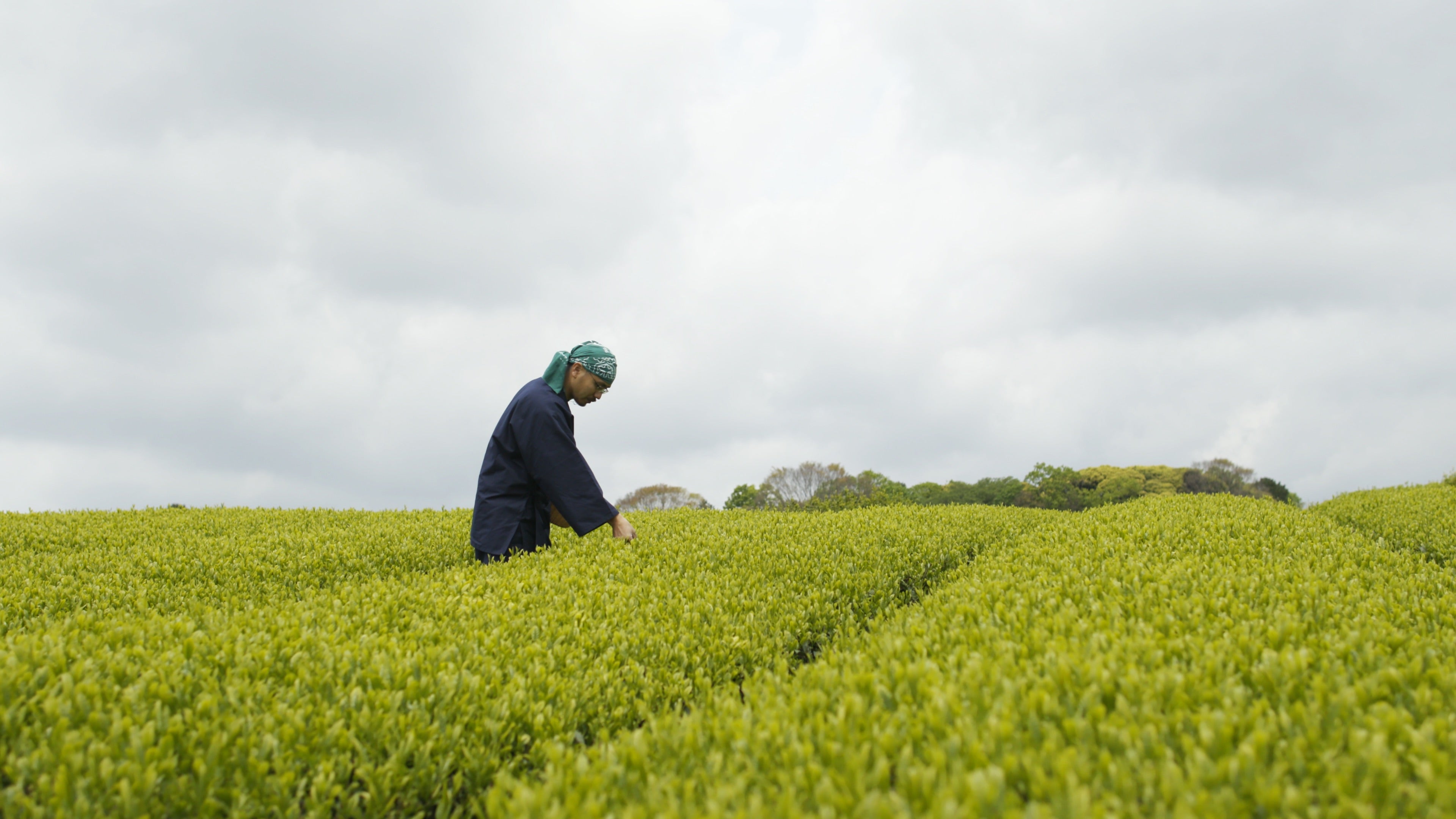
Named after the refreshing eastern spring winds, Kochi is the first flush green tea of Mohei, cultivated in the fertile volcanic soil of Mt. Fuji. This year, it is crafted exclusively from the Sofu cultivar, allowing its distinctive character to take full expression.
Nourished by the rich minerals and the gentle breezes of spring, it captures the spirit of renewal and purity that the season brings.

First Flush
Production
Per Serving

Type
Pairs well with
Nº0 Kochi | Shincha 2026

Preparation Guideline
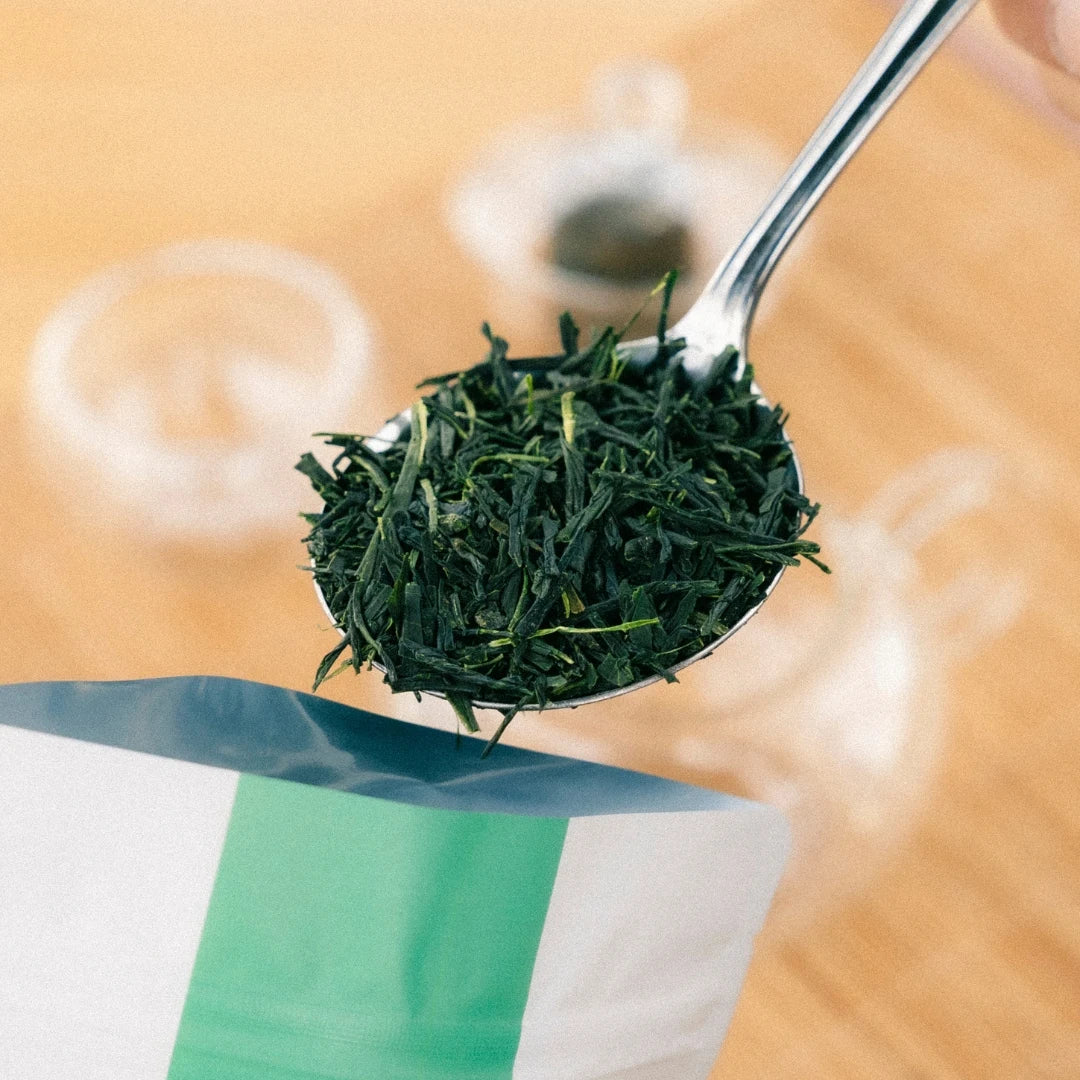
Leaves
Measure With Care
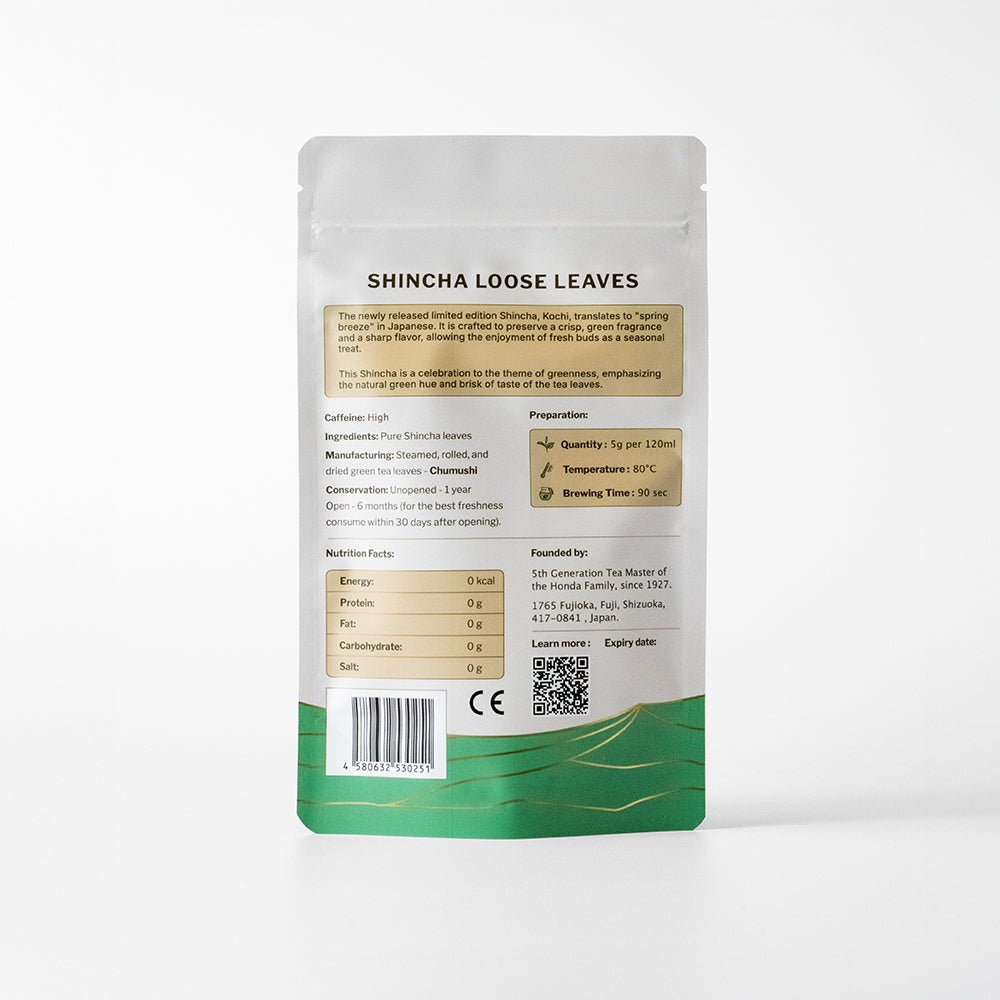
For the perfect brew, use 5g (1 Tbsp) of Kochi.
This amount allows you to enjoy the tea’s evolving flavors through up to 3 infusions, each offering new notes with every pour.
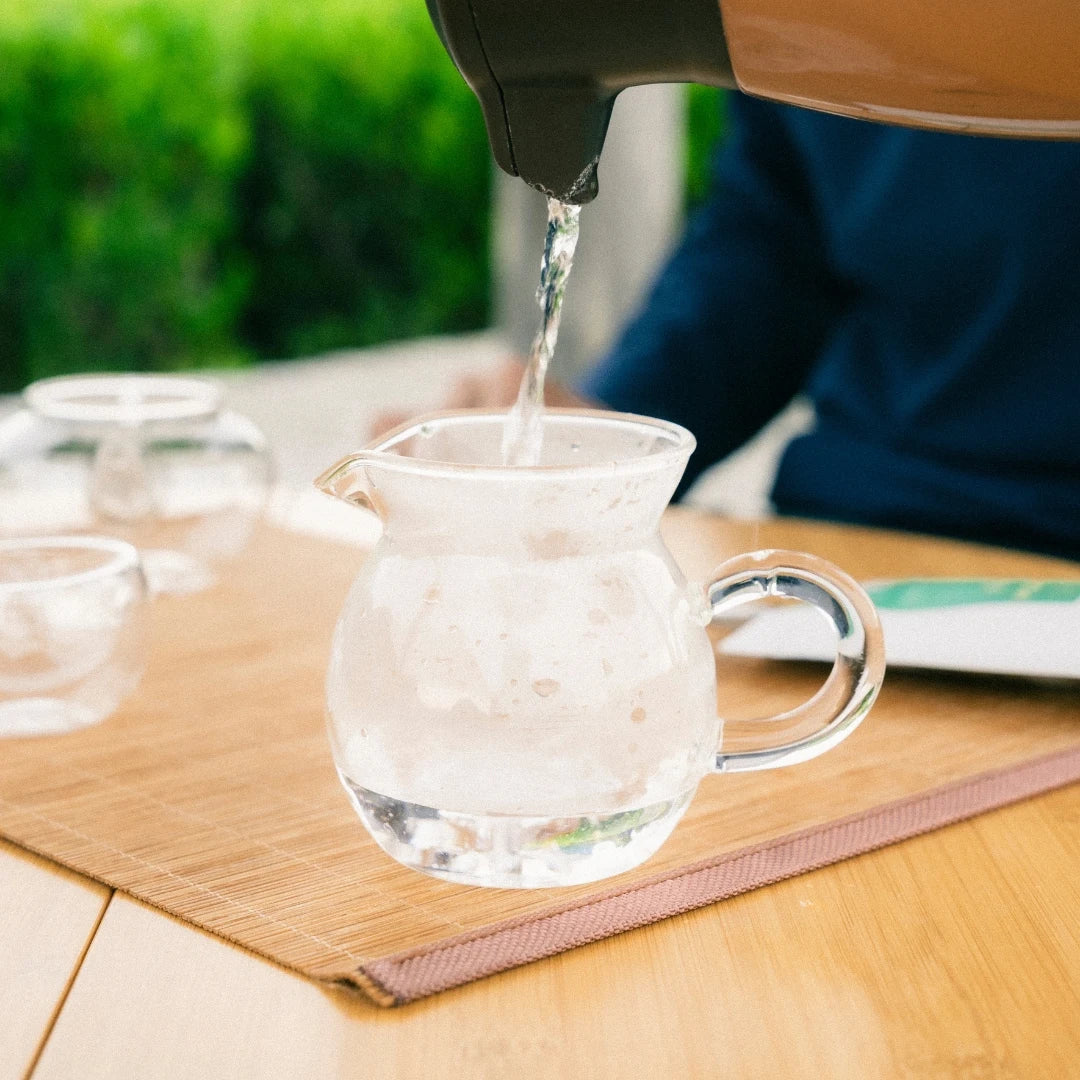
Temperature
Gradually Increase Heat
Raise gradually for each infusion:
80°C (176°F) → 90°C (194°F) → 100°C (212°F)
Each step draws out new layers of flavor, from delicate umami to rich depth.
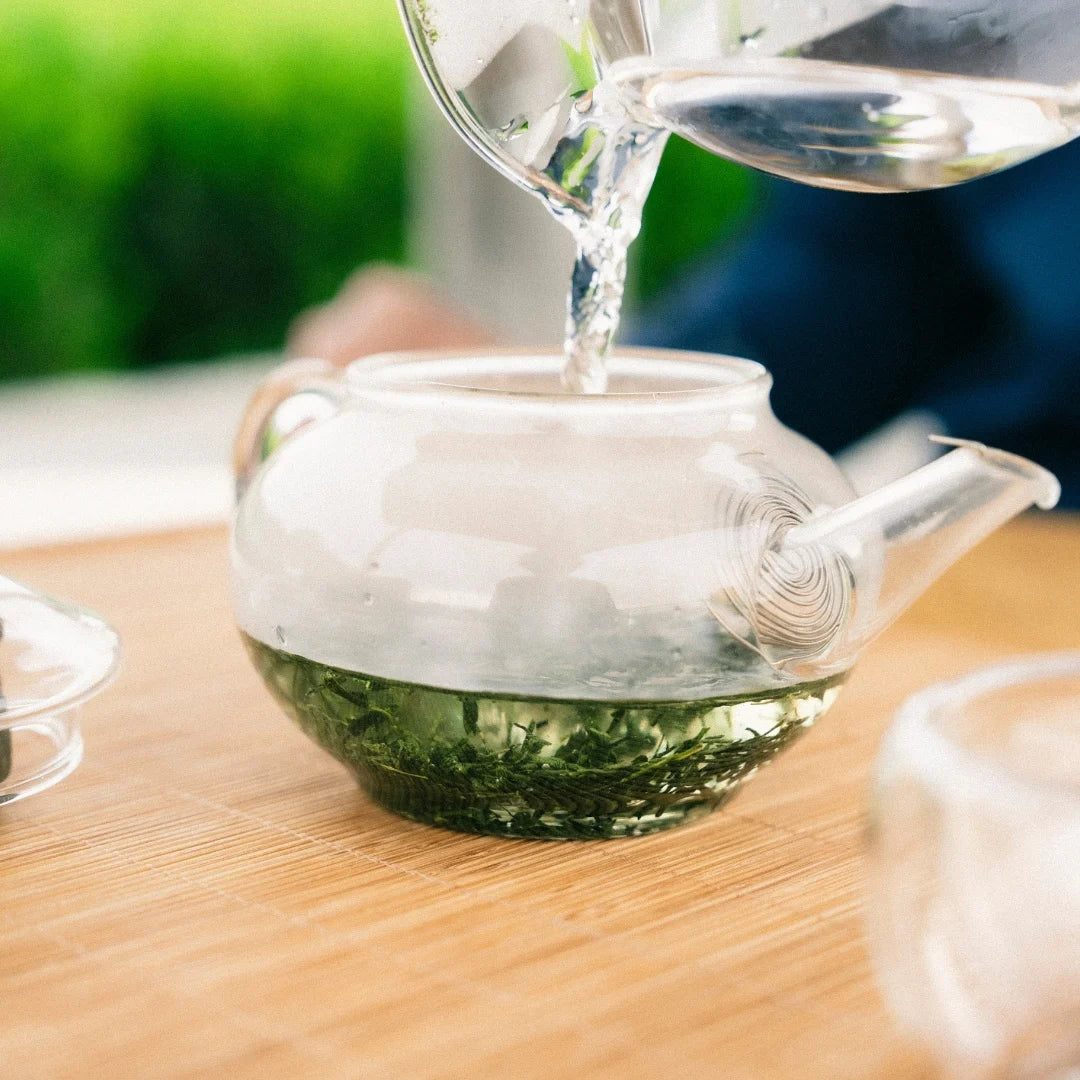
Water
The Right Quantity
Use 120ml (4oz) of water for the first two infusions, then 150ml (5oz) for the last one.
This will ensure every steep reveals the tea’s full character, from the first pour to the last.
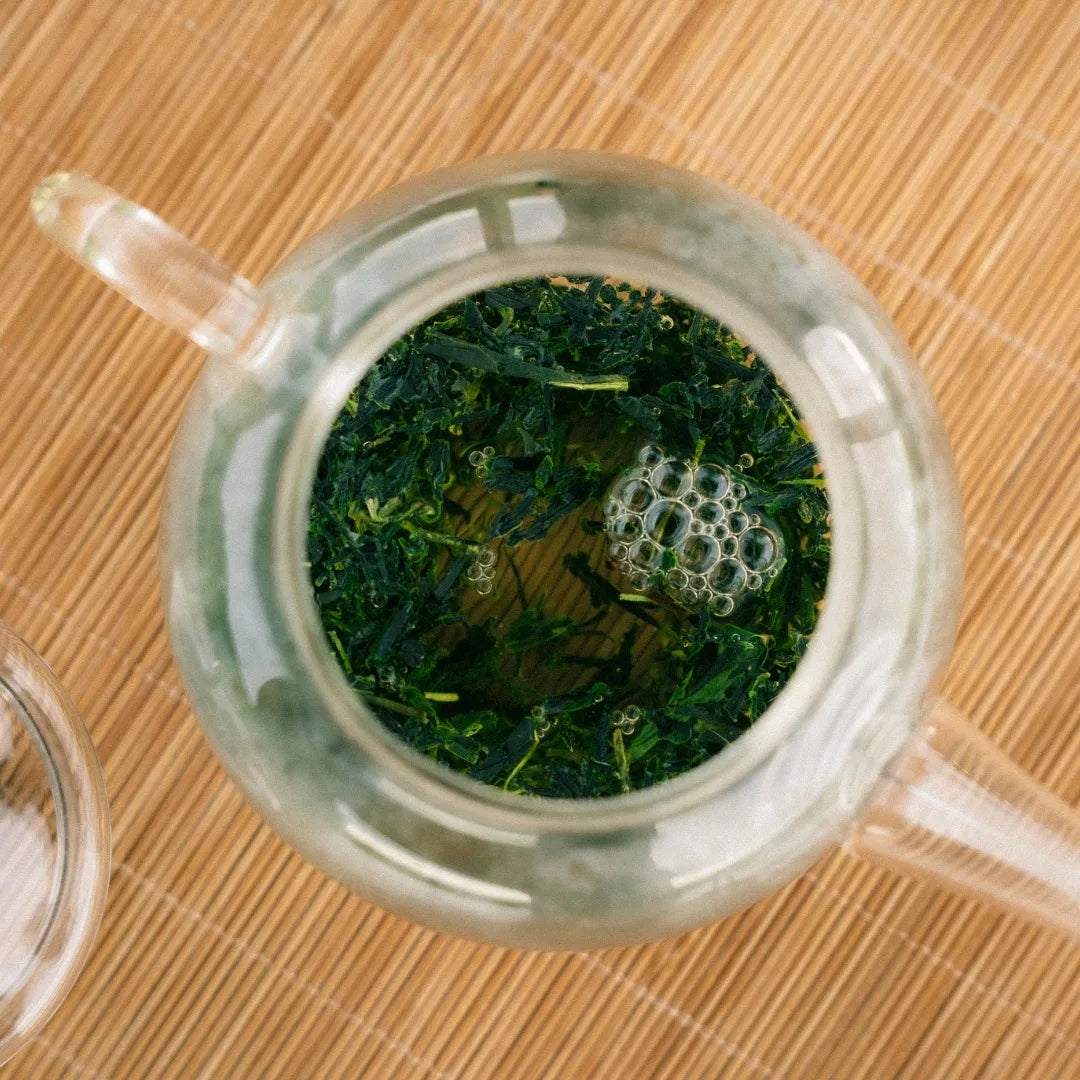
Brewing
Timing Each Infusion
Steep with care:
90s → 90s → 120s
Each step reveals a new layer of flavor, balancing freshness, depth, and lingering sweetness.
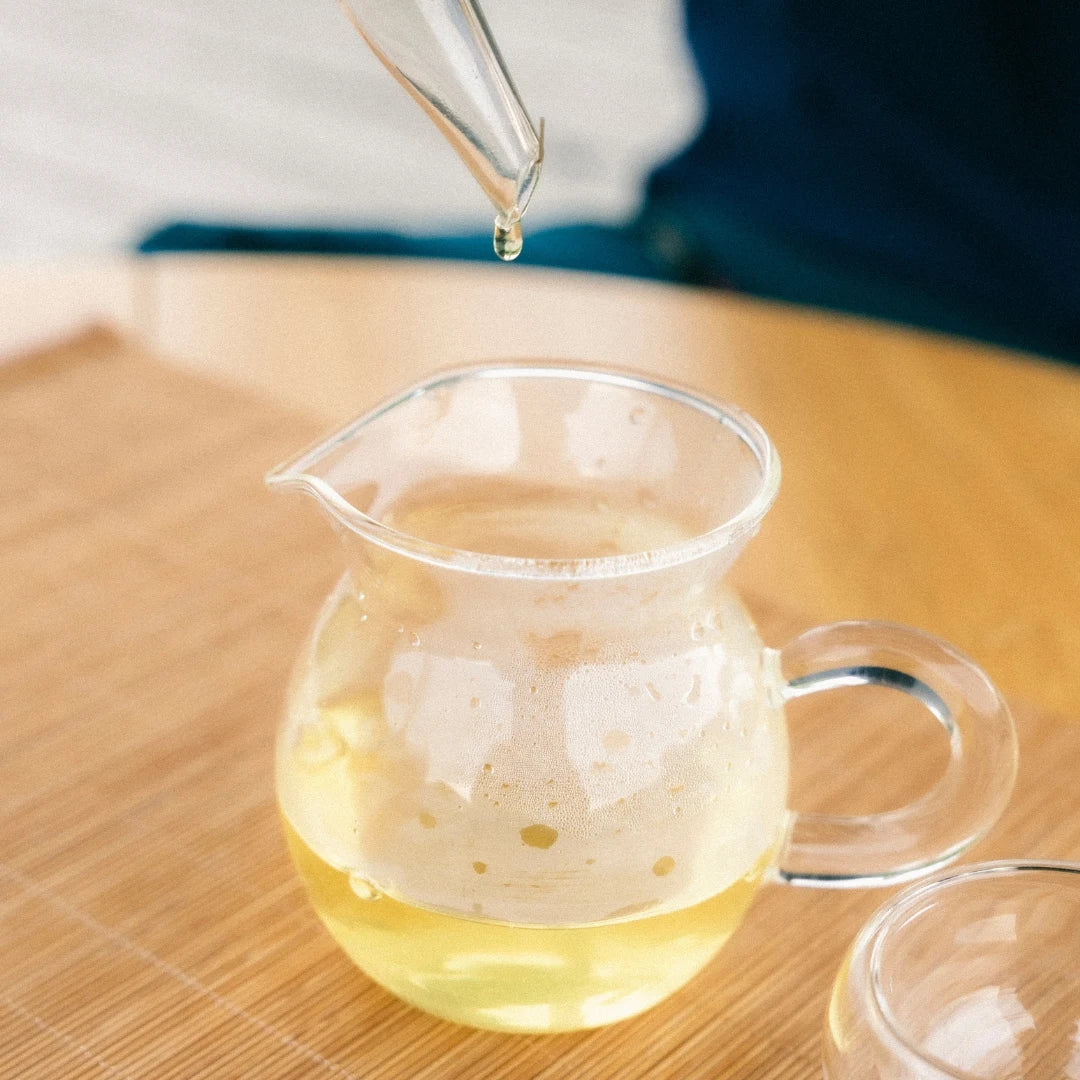
Tips
Perfect Your Infusion
For a lighter taste, reduce brewing by 10 seconds; for a stronger flavor, extend by 10 seconds
Always pour until the very last drop, where the richest flavor concentrates.
- Rated 5 out of 5 stars9 months agoWonderful!
Wonderful!
VV
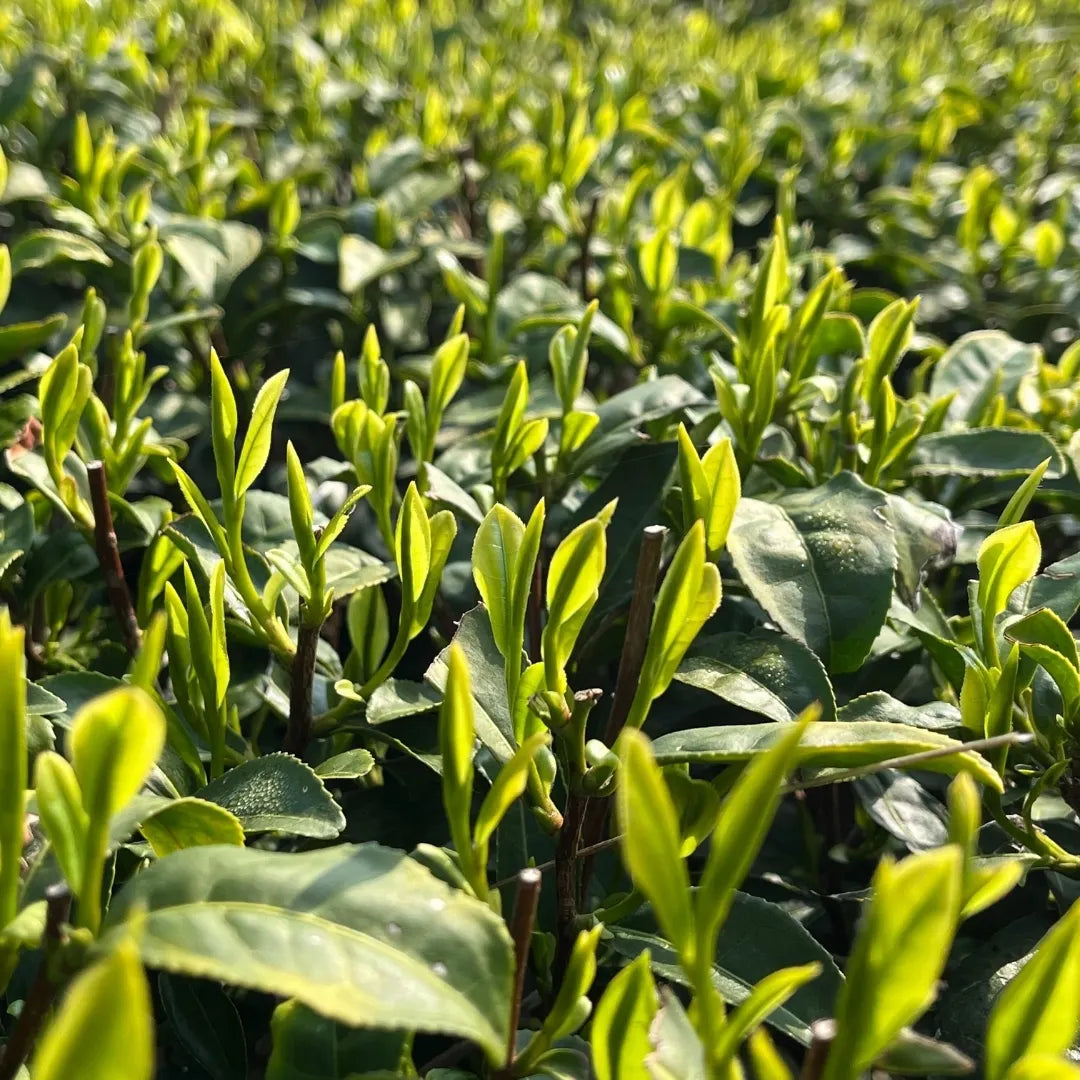
What is Shincha?
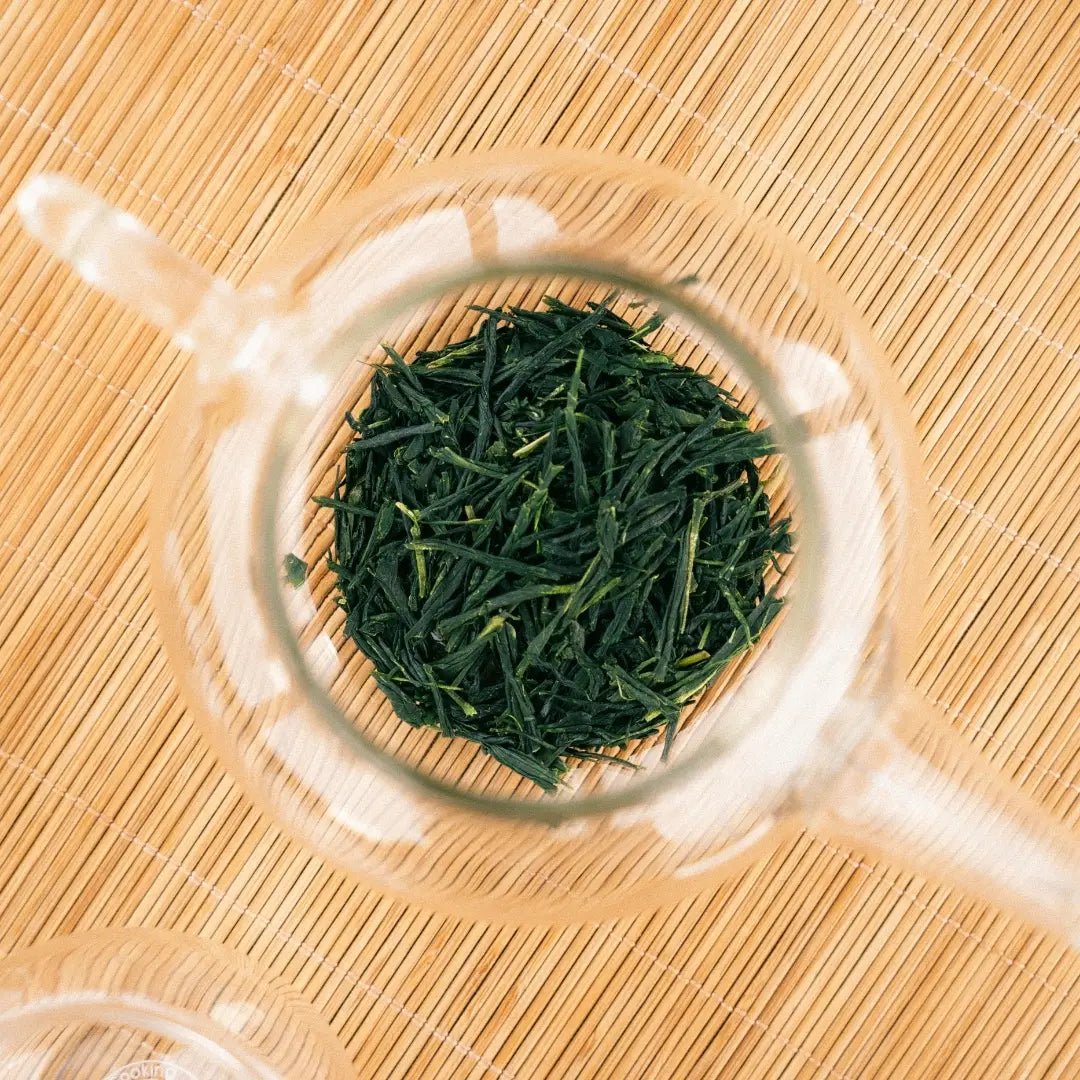
Shincha refers to the first harvest of Japanese green tea, picked in early spring after the tea plants emerge from winter dormancy. This brief moment in the season produces leaves that are especially fresh, vibrant, and aromatic, offering a vivid expression of the new tea year.
The Making of Shincha
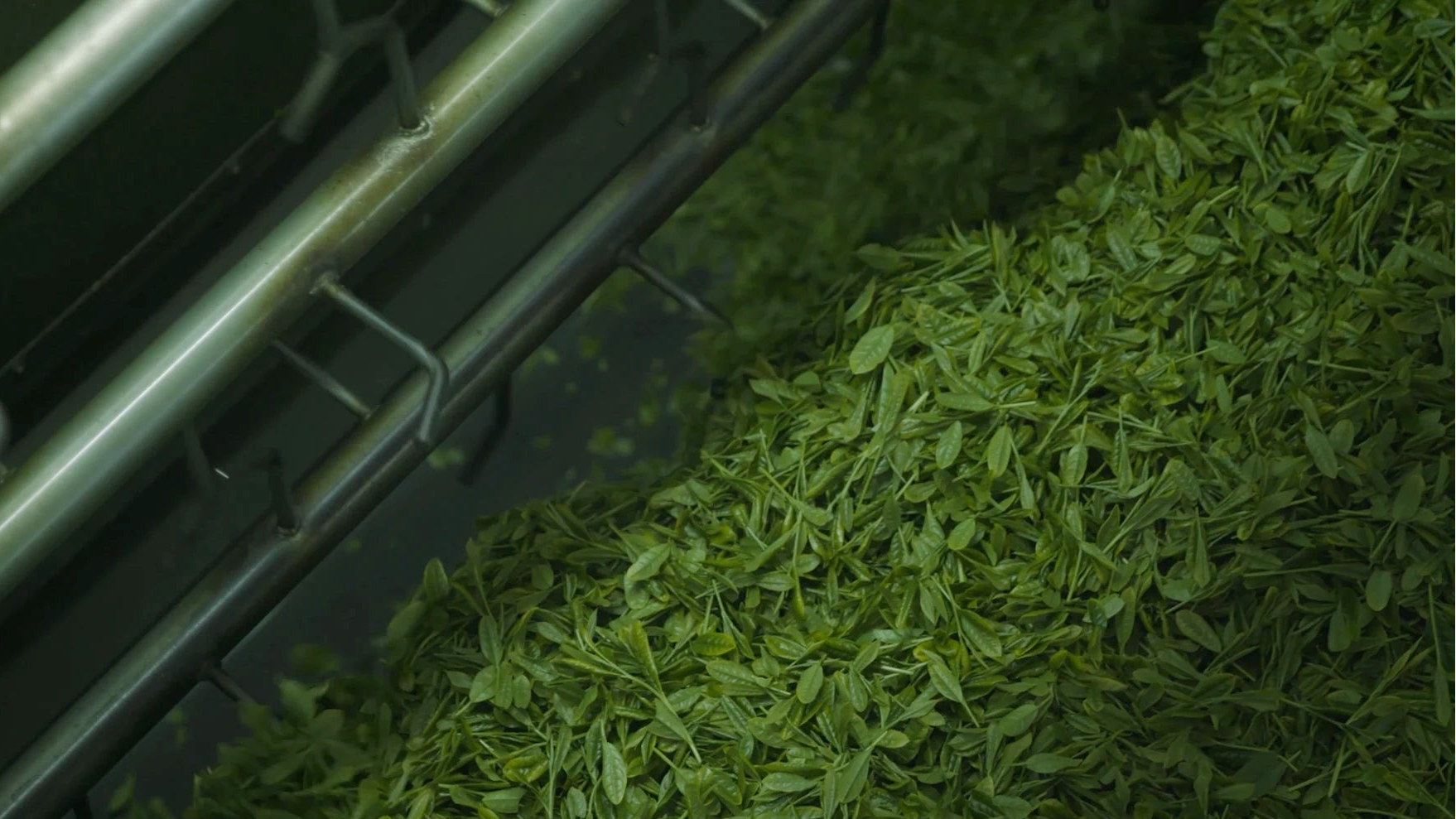
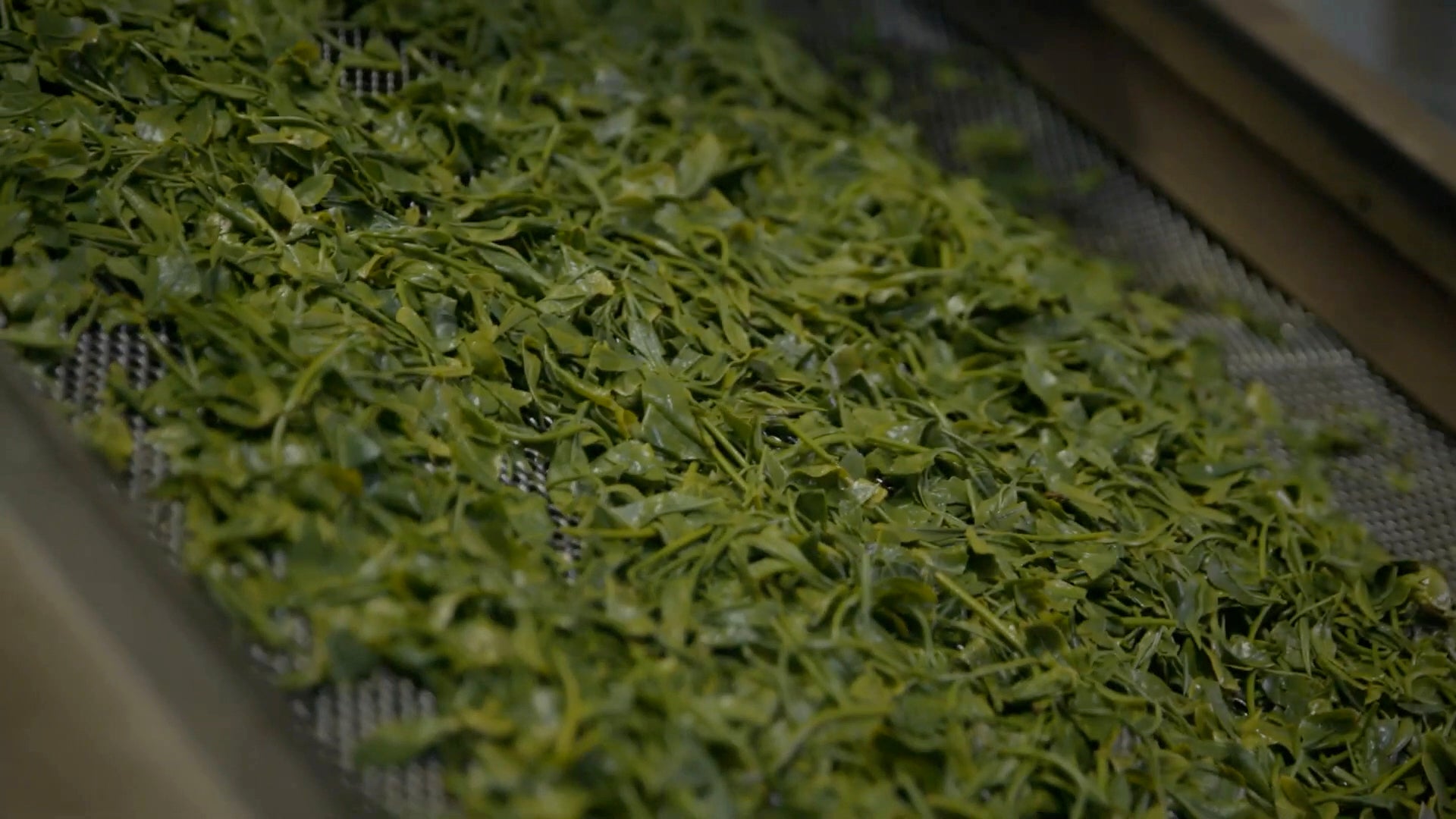
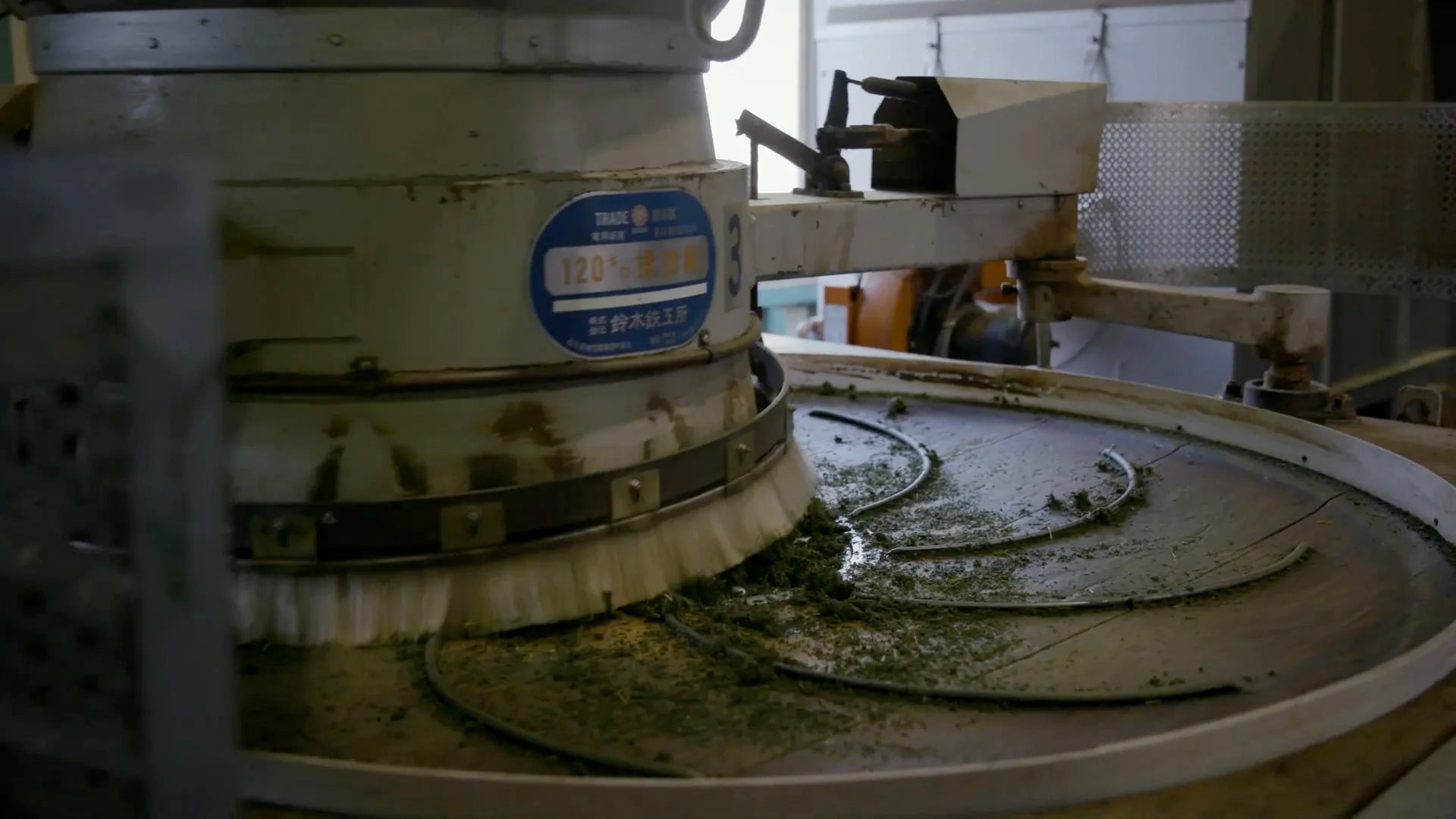
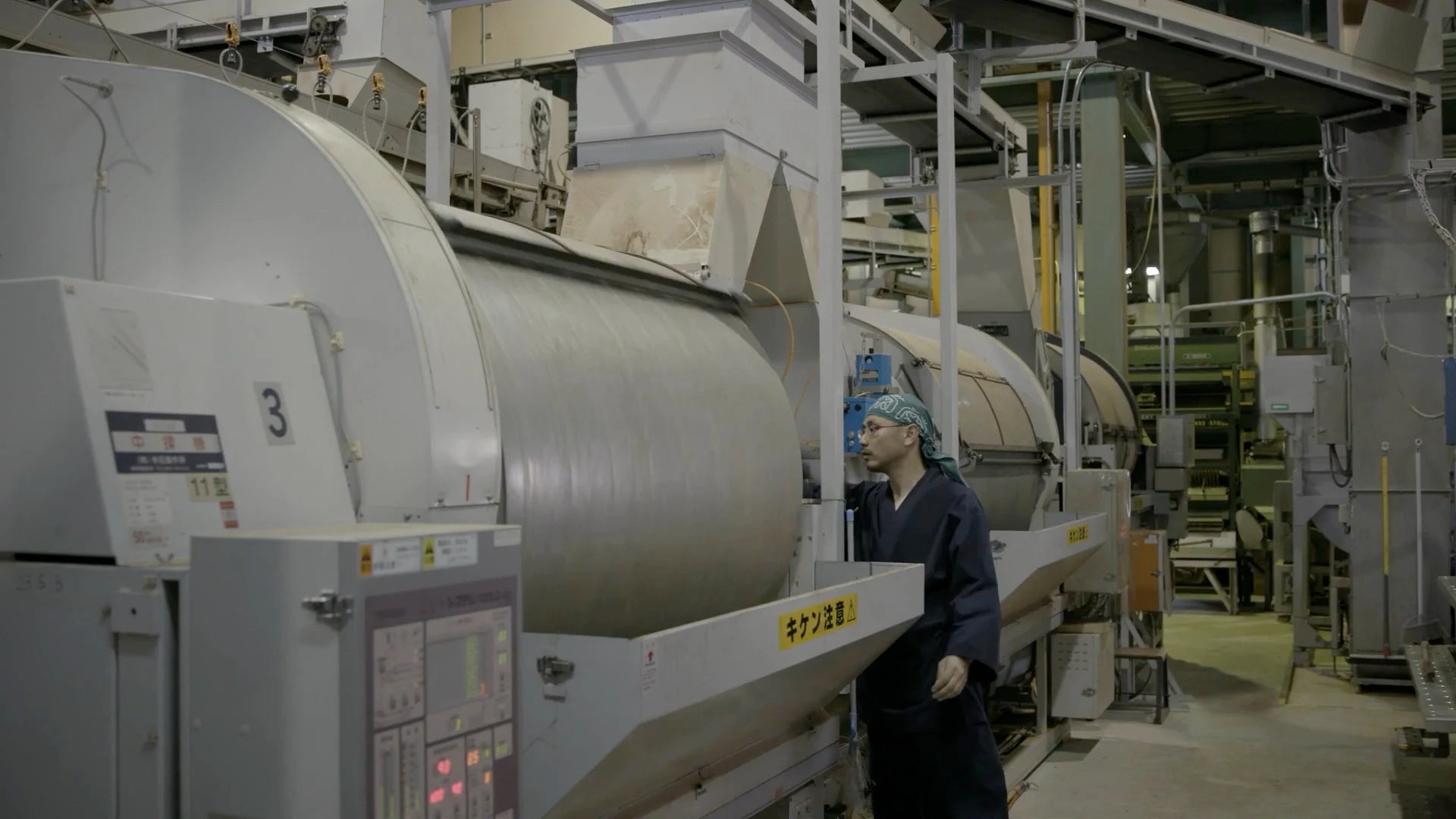
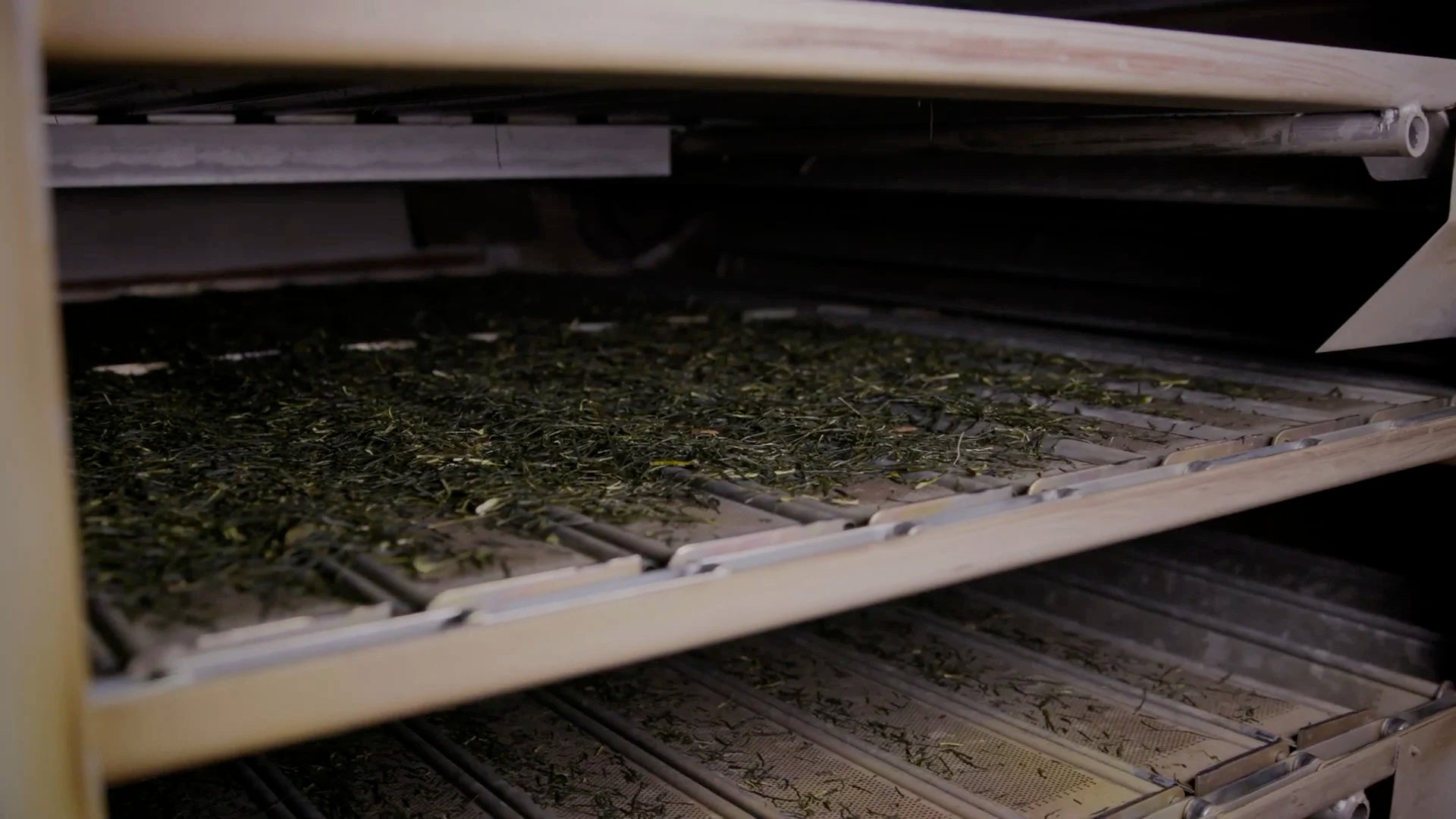
Shincha is harvested at the very beginning of the season, when the leaves are at their most tender. After picking, they are quickly steamed to prevent oxidation, then rolled and dried; a process that preserves their freshness, vibrant color, and delicate aroma.
FAQs
How is Shincha different from regular sencha?
Most Shincha are, in fact, sencha, as they are produced using the same steaming process. The difference lies in timing: Shincha refers specifically to the first harvest of the year, while sencha can be produced throughout the season. In that sense, all Shincha can be considered sencha, but not all sencha are Shincha.
Why is Shincha only available for a limited time?
Shincha is produced exclusively during the early spring harvest. Because it is tied to this short seasonal window, availability is naturally limited each year.
Does Shincha change over time?
Yes. Shincha is at its most vibrant shortly after harvest, with bright aromas and fresh character. As time passes, its profile gradually softens and becomes more rounded.
Is Shincha suitable for someone new to Japanese tea?
Yes. Shincha is often appreciated for its clarity and freshness, making it an accessible introduction to Japanese green tea, while still offering depth for more experienced drinkers.
How should I store Shincha to preserve its freshness?
To maintain its freshness, Shincha should be stored in a cool, dry place, away from light and air. Proper storage helps preserve its delicate aromas and vibrant character.